NEWS

Stay updated with our latest news, industry insights, and company developments.

Women’s Long Sleeve Yoga Tops: Sizing and Fit Guide

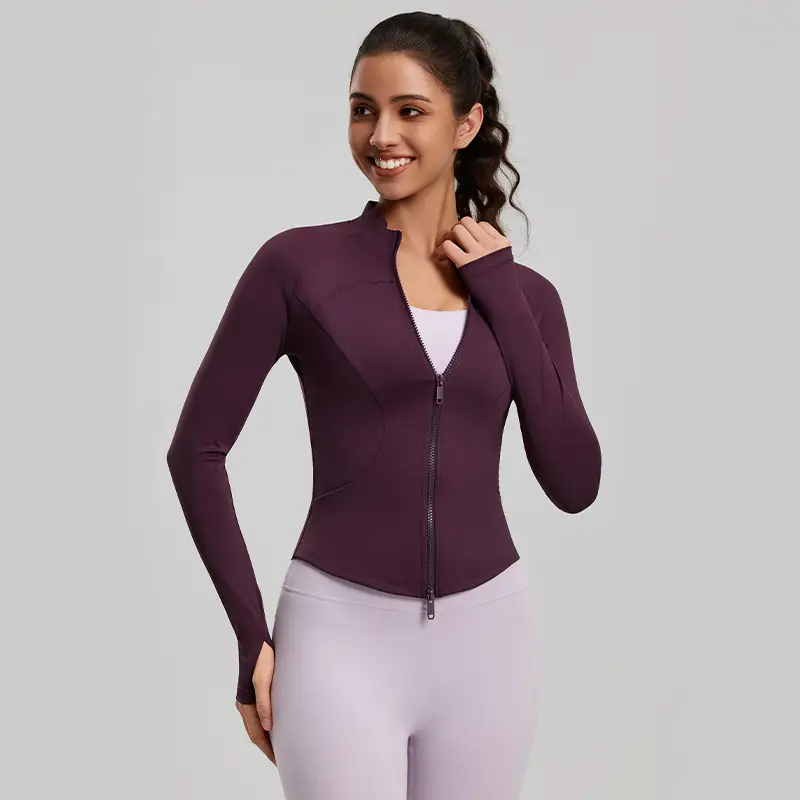
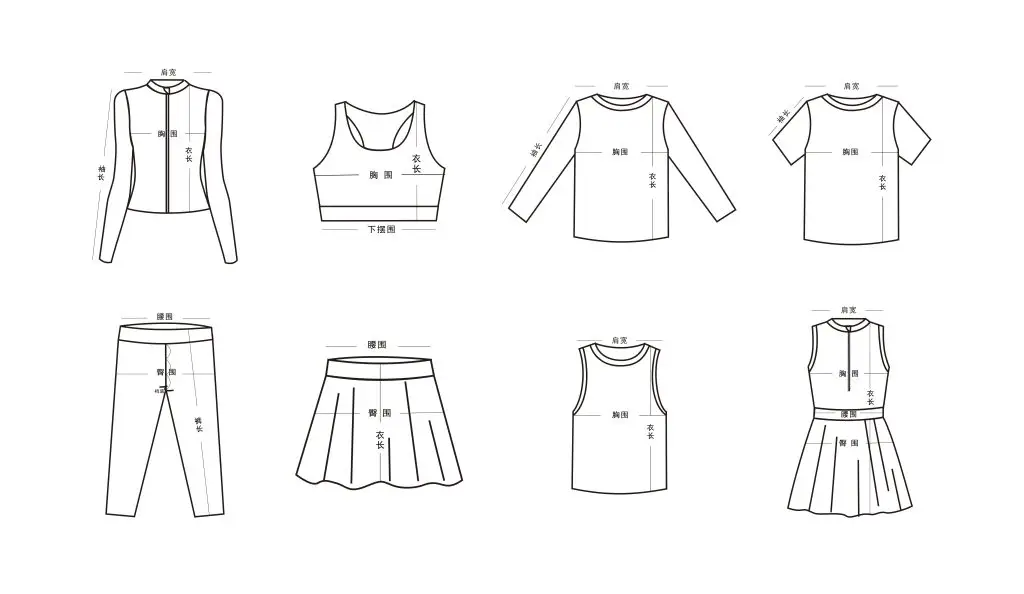
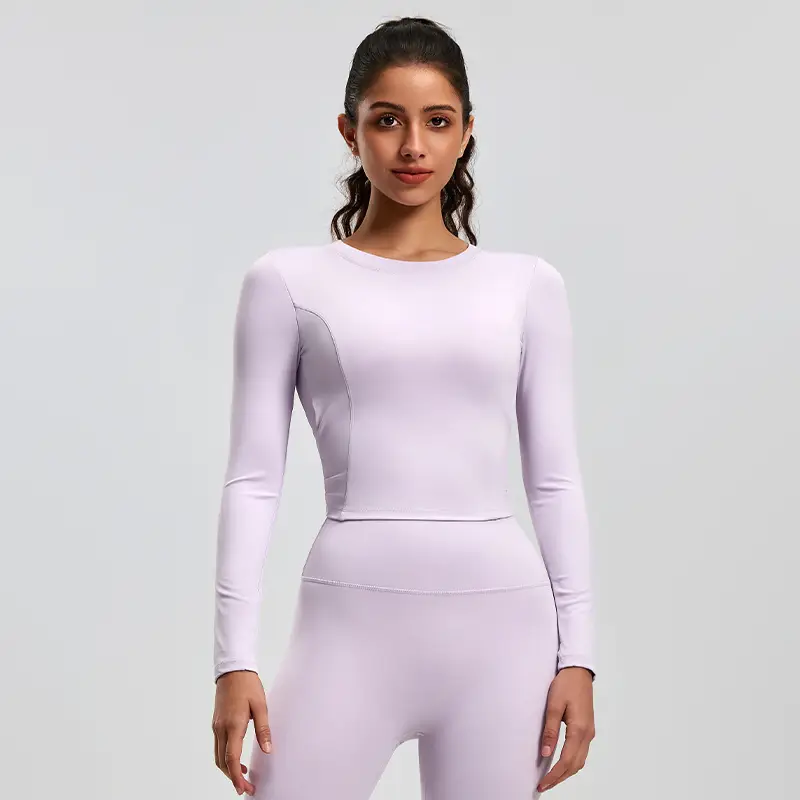
Our sizing process for custom long sleeve shirts is built around movement, proportion, and the fabric’s actual stretch rather than a simple extension of a short-sleeve block. Shoulder rotation, arm length, torso balance, cuff behavior, and the relationship with high-waisted bottoms all feed into the measurements we use for pattern development and grading.   We set the fit standard around the collection concept. Slim training tops, cropped yoga layers, relaxed cover-ups, half-zip styles, and fashion-led pieces all need different amounts of ease, making the intended silhouette a decision we settle before grading begins.   Build the Base Size Around Real Movement For women’s long sleeve yoga tops, we check the base sample in both neutral and active positions. Reaching overhead, crossing the arms, bending, twisting, and stretching can reveal tight armholes, short sleeves, neckline movement, or a hem that rides up even when the garment looks correct on a static mannequin.   Key measurements normally include shoulder width, chest, waist, body length, sleeve length, upper-arm width, cuff opening, neckline dimensions, and armhole depth. Cropped styles need closer control of front and back length because small changes affect coverage with leggings. Looser silhouettes allow more ease, but the proportions still need to
Read More »

Short Sleeve Yoga Shirts for Women: OEM Buying Checklist

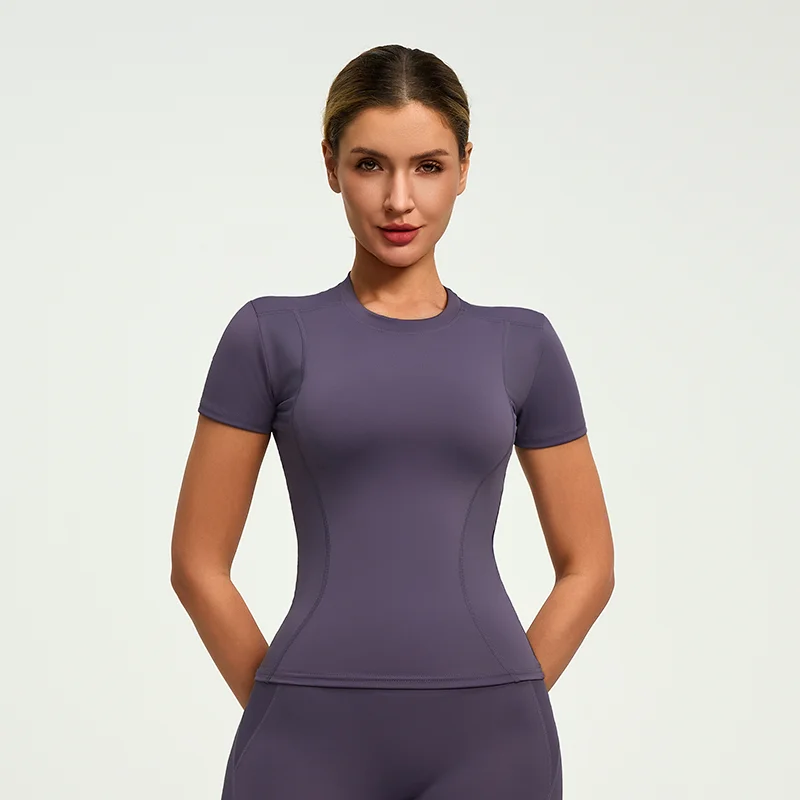
Our OEM process for custom short sleeve shirts starts with the fit and retail role the buyer wants to establish. Neckline, sleeve proportion, body length, stretch, seam placement, and fabric weight influence both movement and merchandising, so we turn those choices into a production brief before cost or quantity discussions become final.   The same brief links development to delivery. Target measurements, fabric behavior, logo method, quality limits, packaging, and launch timing are resolved early enough for our pattern, sampling, and production teams to work from one direction, reducing avoidable revisions between sample approval and bulk sewing.   Set the Silhouette and Movement Requirements First The women yoga top short sleeve category can cover close-fitting training tees, relaxed studio tops, cropped silhouettes, mesh constructions, raglan sleeves, color-block designs, and cutout details. Before we make a sample, we ask buyers to specify whether the style is meant for yoga, higher-intensity workouts, casual layering, or a broader athleisure assortment.   Body length and sleeve construction deserve exact measurements. A cropped top must sit correctly with the intended waistband height, while a slim tee needs enough ease around the chest, shoulders, and upper arms to allow reaching and rotation. Raglan sleeves can change shoulder mobility

Read More »

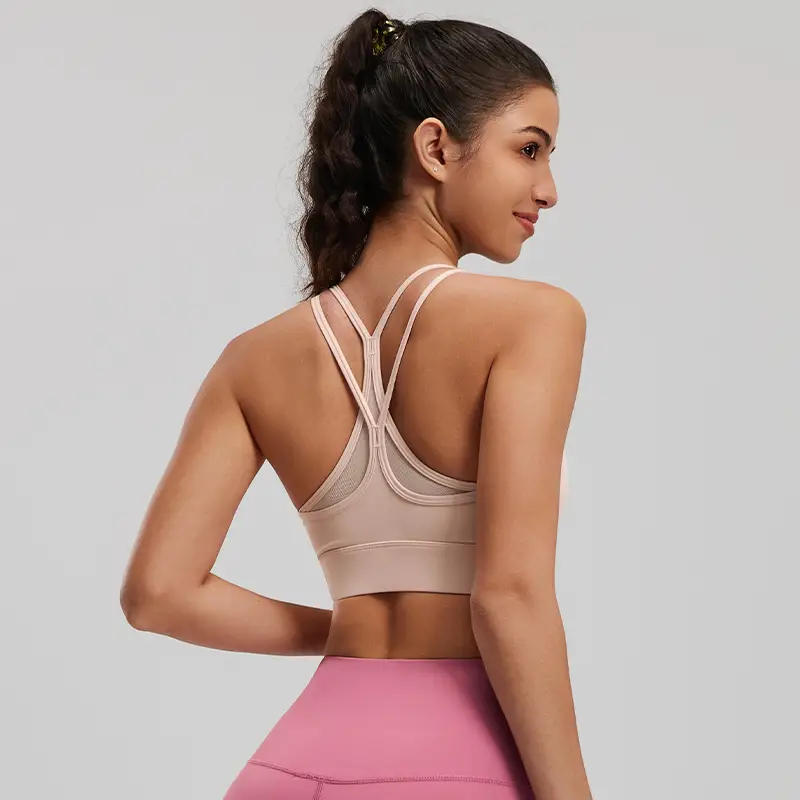
Yoga Bra Top Supplier Guide for Private Label Brands

Development of custom sports bras starts by translating support, coverage, movement, and brand positioning into construction choices. Stretch fabric, underband elastic, cups, straps, seams, sizing, and branding each affect the way the finished bra sits on the body, so our sampling plan assigns a clear function to every component rather than relying on a generic category specification.   Activity level sets the next layer of decisions. Yoga, Pilates, gym training, and everyday athleisure can require different strap stability, neckline security, side coverage, and underband tension, and we use those differences to narrow material and fit options before prototypes are made.   Define Support, Materials, and Fit Before Sampling As a sport bra manufacturer, we translate the activity brief into material and construction choices. Performance fabrics may use moisture-management properties and four-way stretch, while elastic bands, removable or fixed cups, and strap designs influence how securely the garment sits during movement. We ask buyers to define the intended support level before the first sample is made.   Fit approval needs a broader checklist than bust circumference. Underband tension, cup position, neckline coverage, side coverage, strap pressure, armhole shape, and back construction all affect wearability.   For styles intended to span several activities,

Read More »

How to Choose Fabric for Custom Yoga Jackets?

Our fabric work for custom yoga jackets starts with the way the finished layer will be worn and sold. Warm-up use, studio practice, run?ning, commuting, and casual layering place different demands on recovery, breathability, structure, warmth, surface feel, and wash durability, so we translate the use case into measurable textile requirements before recommending a direction.   Material selection also sits inside our production workflow. The chosen textile has to sew cleanly, accept the planned logo method, remain available across the required colors, and support repeatable bulk production; a fabric that performs well only as an isolated swatch is not enough for a commercial program.   Match Fabric Behavior to the Jacket Silhouette A fitted style places different demands on material than a loose outer layer. The MTWT01 slim fit yoga jacket, for example, uses stretch fabric with a shaped waist, long sleeves, thumb-hole cuffs, a stand collar, and a full-length zipper.   This construction requires a textile with enough recovery to preserve the silhouette while still allowing movement through the shoulders, elbows, chest, and waist. We also check how the fabric returns after repeated extension, because a jacket that stretches well but stays distorted will not hold a consistent fitted shape.

Read More »

What to Check Before Placing a Wholesale Yoga Apparel Order?

A wholesale yoga apparel order becomes easier to control when every commercial decision can be carried through production without being reinterpreted. We start with the buyer’s launch plan, assortment, quantity mix, quality target, and delivery window, then connect those requirements to the manufacturing route instead of judging the order from unit price or one attractive sample.   As a yoga wear manufacturer, we create value by coordinating the supply chain behind the garment, not by stopping at finished-piece supply. Our role covers the decisions that determine whether an approved concept can be produced repeatedly with stable materials, consistent workmanship, and a delivery plan that remains workable as the assortment grows.   Before production begins, our team maps design, fabric preparation, sampling, inspection, stock, packing, and logistics against the same order calendar. This makes dependencies visible early, especially when several styles, colors, or size runs must reach the buyer in one selling window, and gives both sides a clearer basis for resolving changes before they disrupt output.   Start With the Order Model, Not the Catalog The first decision is whether the collection should come from ready stock, OEM/ODM development, or a deeper private label yoga wear program. Each route carries a

Read More »

Comparing Custom Yoga Wear Solutions for Smarter B2B Sourcing Decisions

Retail buyers, wholesalers, and private-label brands often compare product development routes before placing large orders. Material quality, production flexibility, and supply reliability all influence long-term success. Many sourcing teams evaluate custom yoga clothing alongside custom yoga apparel to match their target market, pricing strategy, and branding objectives. Product Scope and Commercial Positioning Retail programs often begin with a clear product definition instead of sample development alone. Product categories affect pattern grading, fabric sourcing, packaging, and inventory planning. Clear specifications reduce revisions and improve communication between buyers and manufacturing teams. Many buyers use the terms interchangeably, yet purchasing requirements may differ depending on sales channels and merchandising goals. Product positioning should reflect seasonal demand, regional preferences, and expected order volumes instead of relying on broad market assumptions. When product collections expand, consistency across multiple styles becomes increasingly important. Coordinated sizing, color continuity, and fabric performance help strengthen brand identity while simplifying replenishment planning for repeat orders. Many international customers work with Joebond because we integrate textile sourcing, manufacturing, quality management, and finished product support within one supply chain. That structure helps reduce coordination challenges across multiple production stages. Manufacturing Planning for Stable Supply Production planning begins long before fabric enters the

Read More »