NEWS

Stay updated with our latest news, industry insights, and company developments.

Maximizing Commercial Value Through Yoga Tops Long Sleeve Fabric, Fit, and Function

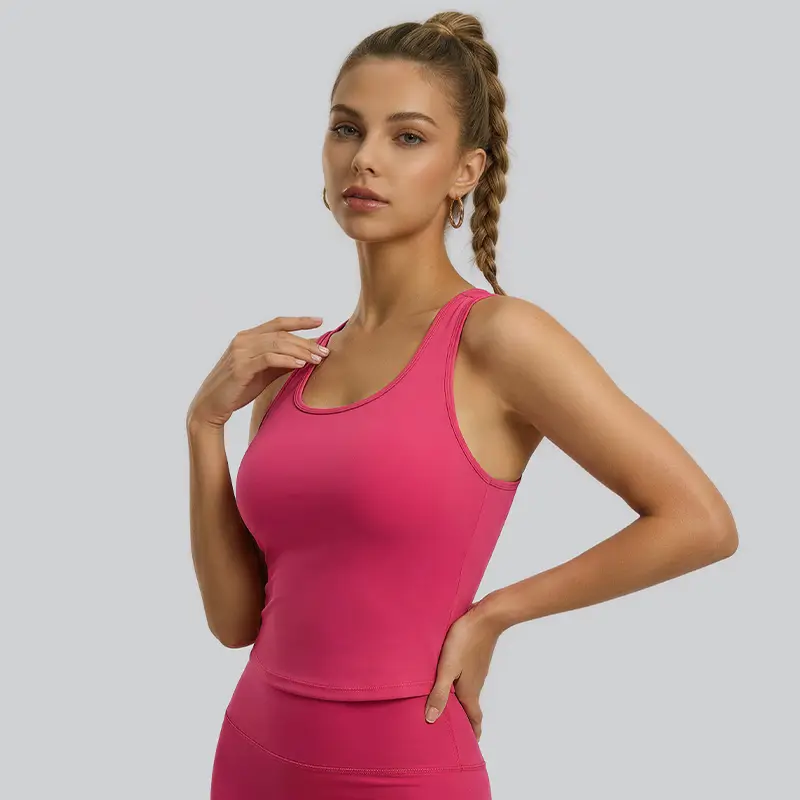
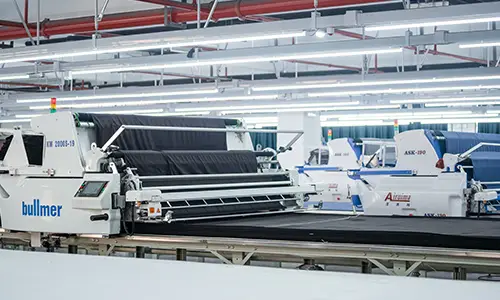
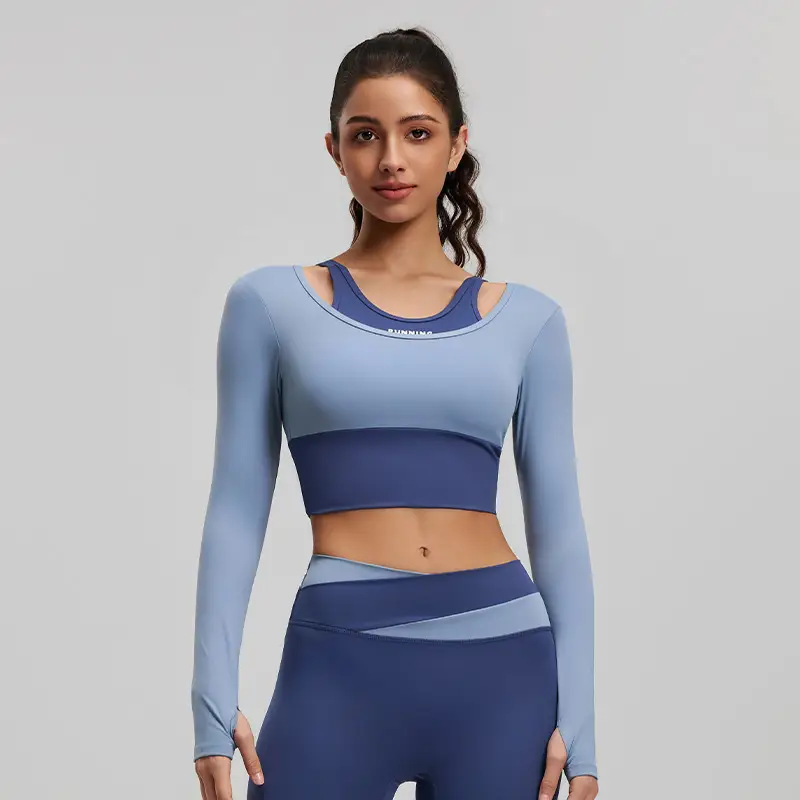
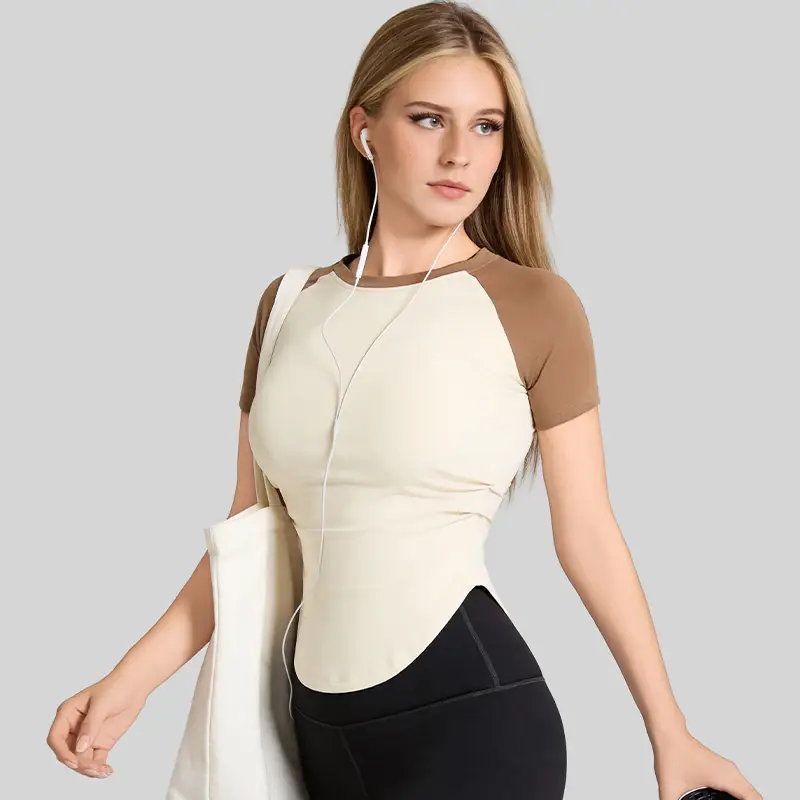
Comfort, durability, and dependable manufacturing shape purchasing decisions for professional apparel buyers. Retailers and wholesalers increasingly evaluate complete supply capabilities rather than individual products. Product planning frequently includes custom long sleeve shirts because they complement seasonal activewear collections while supporting consistent brand presentation across multiple sales channels. Fabric Performance That Supports Long-Term Product Value Fabric quality directly influences customer satisfaction and repeat purchasing. Yoga apparel requires materials that maintain comfort during movement while preserving appearance after frequent washing. Blended fabrics combining polyester, nylon, and elastane are commonly used because they balance stretch, recovery, moisture management, and durability. Material weight should match the intended market. Lightweight fabrics suit warmer climates and studio environments, while medium-weight constructions provide additional coverage for cooler seasons. Appropriate fabric selection allows retailers to offer collections that remain relevant throughout changing weather conditions without unnecessary inventory complexity. Surface finishing also contributes to commercial performance. Brushed interiors improve softness, while anti-pilling treatments help garments retain a clean appearance over extended use. Reliable dyeing processes reduce color variation between production batches, creating greater confidence for distributors managing repeat orders. As a vertically integrated manufacturer, Joebond coordinates textile sourcing, production, quality management, and finished apparel supply within one system. We
Read More »

Building B2B Value with the Right Yoga Short Sleeve Shirt for Training

Training apparel plays an important role in customer satisfaction, repeat purchases, and brand reputation. Buyers serving yoga studios, sporting goods retailers, and private-label collections often evaluate garments beyond appearance. Product consistency, manufacturing reliability, and supply chain support all influence purchasing decisions. Many sourcing teams also look for custom short sleeve shirts that align with their branding strategies while maintaining dependable production quality. Fabric Quality Supports Daily Training Performance Comfort begins with the fabric. During yoga sessions, garments should remain lightweight while allowing continuous airflow. Materials that manage moisture efficiently help wearers stay comfortable throughout different training intensities without creating unnecessary distraction. Fabric recovery is equally important. Repeated stretching should not permanently distort the garment or reduce its original fit. A well-developed knitting structure allows shirts to maintain their appearance after regular exercise and frequent laundering. Buyers should also evaluate color consistency across production batches. Stable dyeing processes reduce variation between shipments, helping retailers maintain uniform collections and improving confidence in repeat purchasing programs. Reliable textile sourcing contributes to predictable manufacturing outcomes. When fabric quality remains stable from raw material procurement through production, finished garments are more likely to meet commercial expectations across multiple order cycles. Why Yoga Shirts Short Sleeve

Read More »

OEM Buyer Priorities for Building Reliable Yoga Jacket Supply Partnerships

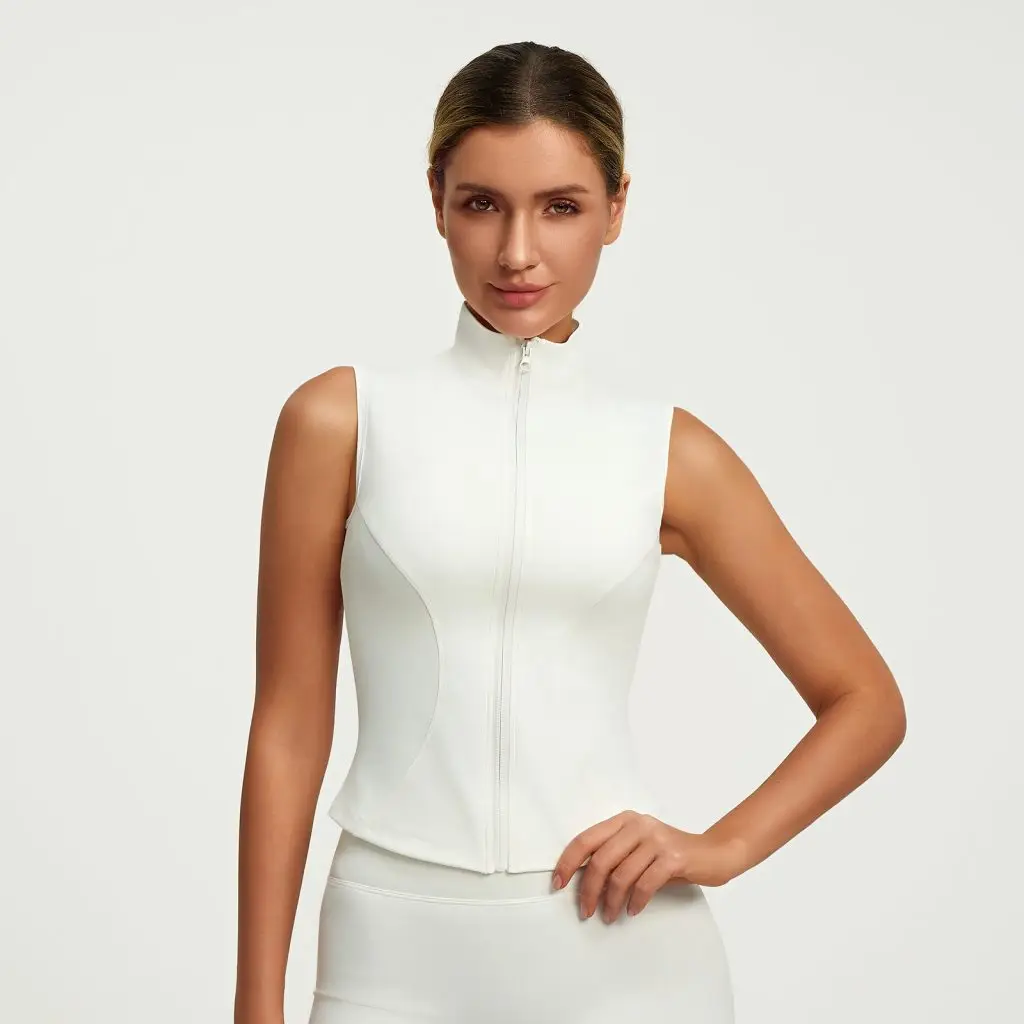
Growing demand for premium activewear has encouraged buyers to evaluate manufacturing partners more carefully before placing production orders. Product consistency, responsive communication, and stable capacity often determine long-term cooperation. Many sourcing teams also review options for custom yoga jackets while expanding collections for retailers, wholesalers, and private-label apparel programs across different international markets. Assessing Manufacturing Capacity and Production Stability Reliable manufacturing begins with a complete production system rather than isolated sewing capability. Buyers should examine how fabrics are sourced, how samples are developed, and how production planning supports delivery schedules across different order quantities. Factories with integrated processes can coordinate textile preparation, pattern development, cutting, sewing, finishing, and packaging more efficiently. Fewer production handovers reduce communication gaps and help maintain consistent quality from the first sample through bulk manufacturing. Production capacity should also remain flexible throughout seasonal demand changes. Apparel businesses frequently adjust purchasing plans according to market trends, making responsive scheduling an important consideration during supplier evaluation. Clear workflow management creates confidence during every production stage. We coordinate raw materials, garment manufacturing, quality inspection, and finished inventory within one supply chain, allowing Joebond to support commercial buyers seeking dependable OEM and ODM cooperation. Reviewing Material Standards and Garment Performance

Read More »

How OEM Buyers Can Assess Sports Bra Manufacturers for Reliable Business Growth

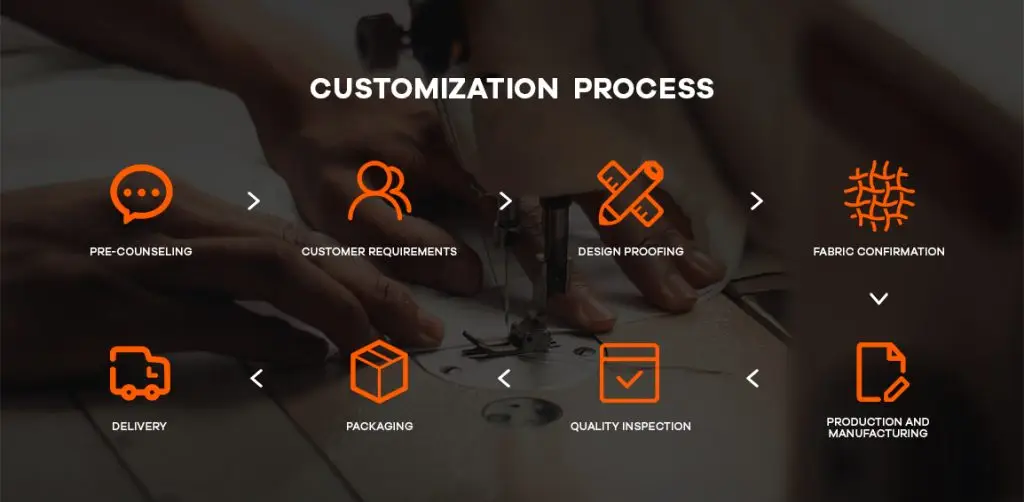
Building a dependable supply chain starts with evaluating manufacturing partners beyond price comparisons. Product consistency, communication efficiency, and production capability all influence long-term business performance. Buyers sourcing custom sports bras should establish practical evaluation criteria before requesting quotations or approving product samples. Define Product Requirements Before Supplier Evaluation Every OEM project benefits from complete product documentation before supplier discussions begin. Technical packs should describe fabric composition, support level, construction details, measurement specifications, trims, labels, packaging, and branding requirements. Clear documentation reduces misunderstandings during development. Early planning also allows manufacturers to provide realistic recommendations based on production feasibility. Small design adjustments during the quotation stage often improve manufacturing efficiency without changing the intended appearance or performance of the finished garment. Commercial expectations deserve equal attention. Minimum order quantities, target delivery dates, replenishment schedules, and forecasted purchasing volumes help suppliers recommend production plans that align with business objectives instead of relying on assumptions. When product expectations remain consistent from the beginning, buyers spend less time resolving revisions and more time preparing successful product launches across retail, wholesale, or private-label sales channels. Evaluate Production Capacity for Bulk Sports Bras Manufacturing capability involves more than the number of sewing lines. Buyers should understand how

Read More »

How to Build a Reliable Custom Yoga Apparel Supply Chain

Retail growth in activewear depends on consistent quality, flexible manufacturing, and dependable delivery rather than short-term pricing alone. Buyers evaluating a long-term yoga wear manufacturer should compare material sourcing, development capability, production management, and communication across every stage before placing larger commercial orders. Fabric Decisions That Support Commercial Apparel Programs Fabric performance influences comfort, durability, appearance, and repeat purchasing. Retailers often compare nylon blends, polyester blends, cotton-rich options, and recycled materials according to intended market positioning instead of relying on a single textile solution for every collection. Stretch recovery matters because yoga garments experience repeated movement during daily wear. Balanced elasticity helps garments retain shape after washing while maintaining comfort across different body types and activity levels. Careful yarn selection also supports long production runs with consistent quality. Moisture management, breathability, colorfastness, and abrasion resistance all contribute to customer satisfaction. Laboratory testing before bulk production reduces unexpected performance issues and supports more predictable inventory planning for distributors and retail chains. Working with experienced technical teams allows us to recommend materials that align with brand positioning, seasonal demand, and target pricing. Integrated textile sourcing also improves production coordination while reducing unnecessary communication between multiple independent suppliers. Evaluating Manufacturing Capabilities Before Volume

Read More »

OEM Yoga Wear Production Insights for Global Brands Building Reliable Supply Chains

Yoga apparel brands need more than attractive designs to succeed in competitive markets. Production planning, fabric performance, quality consistency, and supplier communication all affect commercial outcomes. We support retailers, wholesalers, and private-label businesses with structured OEM/ODM services. At Joebond, we provide integrated support from textile sourcing to finished apparel delivery for international buyers seeking dependable partnerships. Before starting production, brands should define product goals, target customers, and supply requirements. Investing in custom yoga clothing requires attention to materials, construction details, and factory capabilities. We help buyers evaluate technical needs so products align with market expectations while maintaining practical production efficiency. Building a Clear Production Plan Before Manufacturing A successful yoga apparel project begins with detailed preparation. Brands should establish garment functions, sizing requirements, color direction, and expected order volumes before factory communication begins. Clear planning reduces revisions and helps manufacturers create accurate production schedules. Fabric selection plays an important role in yoga wear performance. Stretch recovery, breathability, moisture control, and durability influence customer satisfaction. We review textile options with buyers to match different product positions, from everyday fitness collections to premium studio wear. Private-label brands often require flexible development support because each collection has unique goals. Our team at Joebond

Read More »