

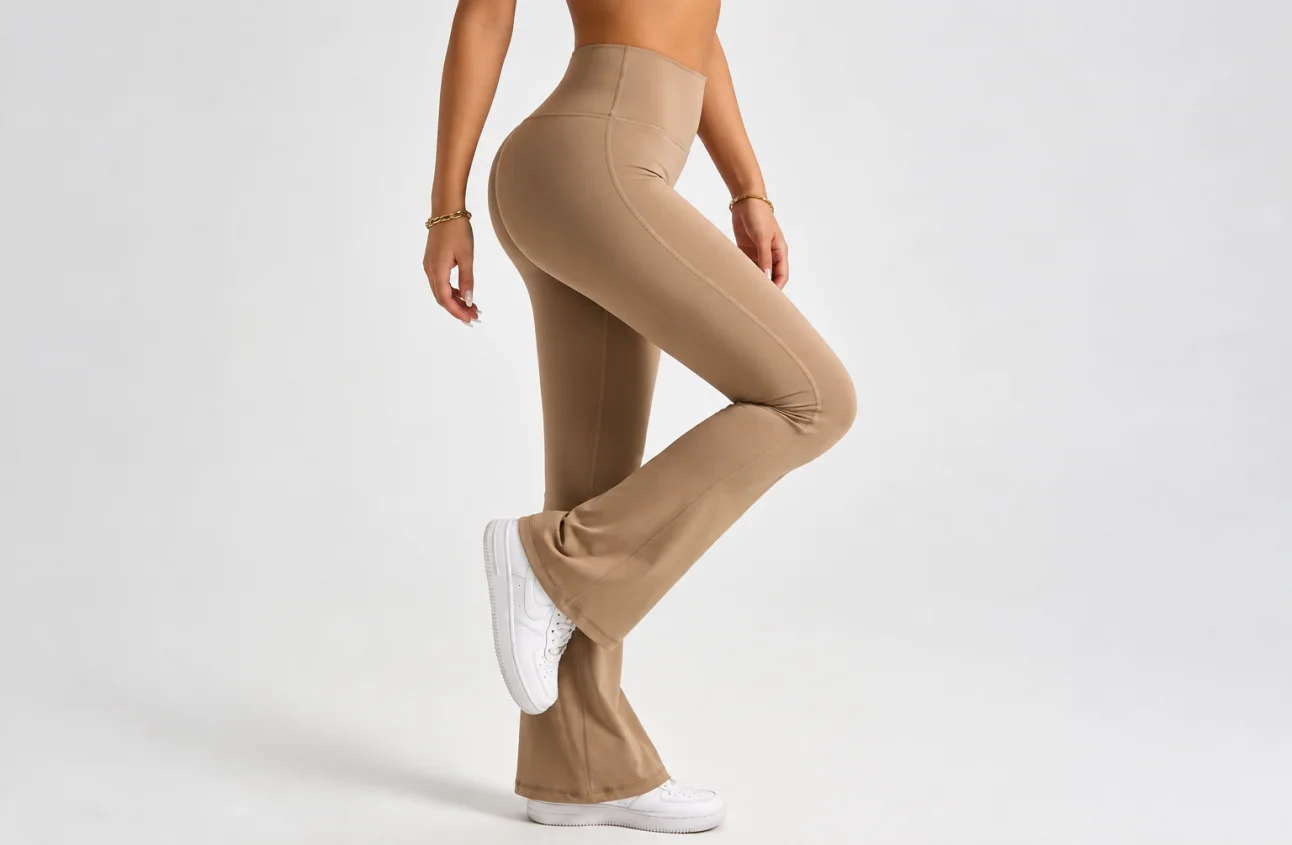
How to Choose a Custom Yoga Pants Manufacturer for Your Activewear Brand
Choosing the right manufacturer for your custom yoga pants involves more than comparing unit prices. Your supplier can influence fabric performance, fit consistency, customization options, production efficiency, and how easily your activewear brand can scale. Before requesting samples or placing a bulk order, you need a clear way to compare manufacturing partners. This guide explains what to look for, how to assess yoga pants quality, and what questions to ask before making your decision. What Should You Look for in a Custom Yoga Pants Manufacturer? A reliable custom yoga pants manufacturer should combine product expertise with suitable fabrics, development support, quality control, customization, and production capacity. The goal is to find a supplier that can turn your design requirements into repeatable products rather than simply manufacture one successful sample. Use the following factors as an initial screening framework: Factor What to Check Product experience Experience producing yoga pants, leggings, and related activewear Fabric capability Available materials, stretch, recovery, opacity, and intended applications Sampling Pattern making, sample development, fitting, and revision process Customization Colors, patterns, logos, labels, packaging, and other brand details Quality control How specifications are checked from samples through bulk production MOQ Minimum quantities by style, color, or