Wholesale Yoga Jacket Procurement Strategies for Fitness Apparel Brand Growth
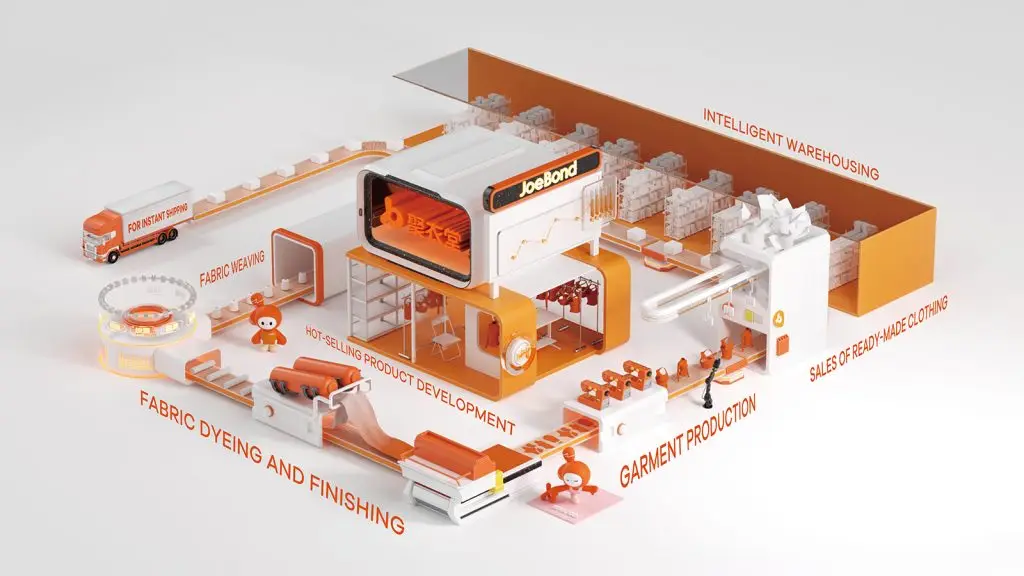
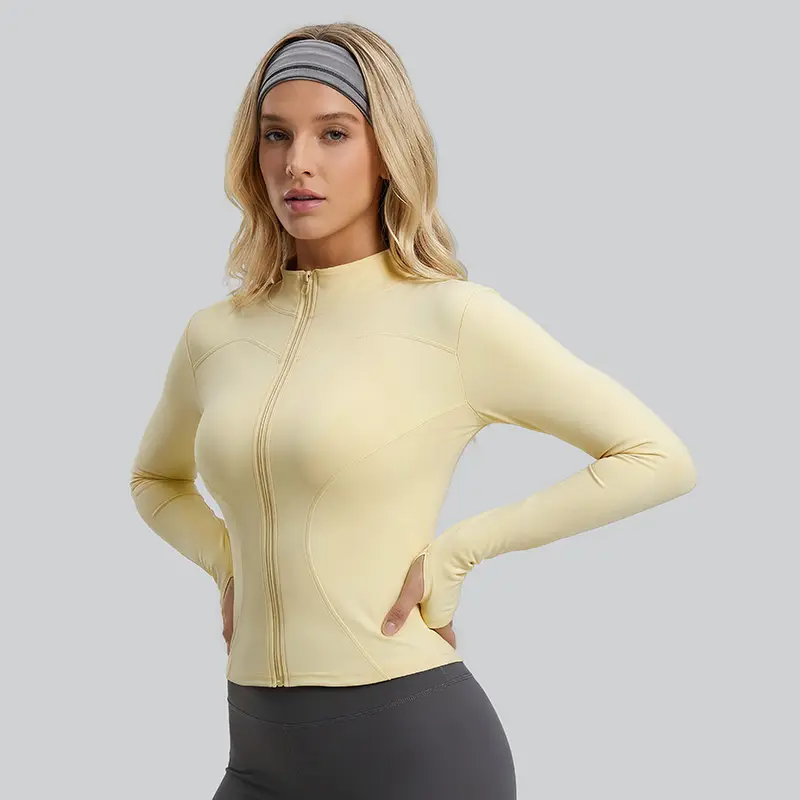
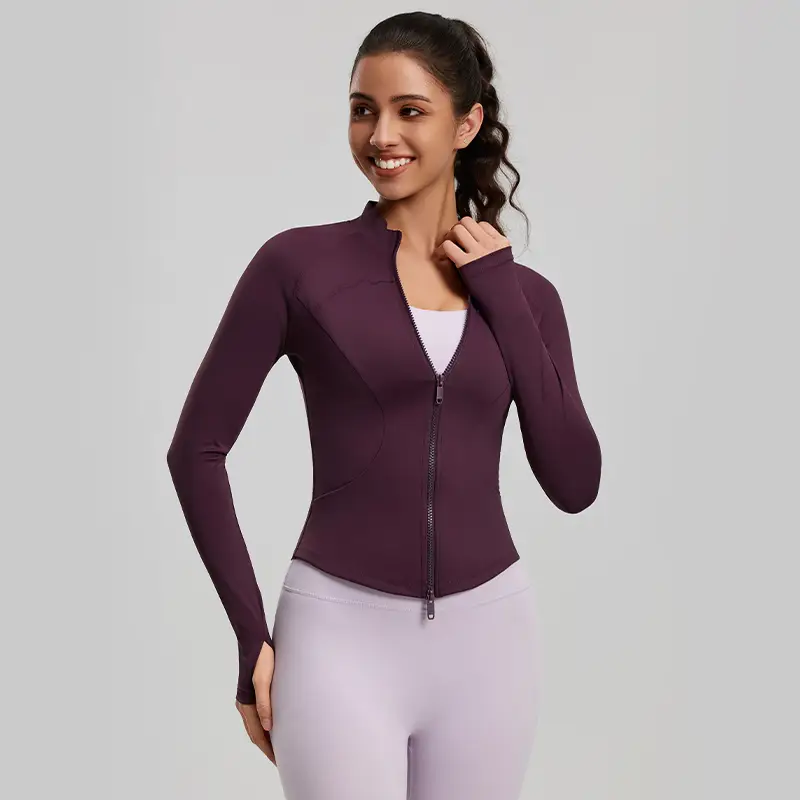
Fitness apparel companies face constant pressure to balance product quality, inventory efficiency, and market differentiation. A practical sourcing strategy starts with reliable manufacturing partners and clear product specifications. Many buyers begin by evaluating custom yoga jackets because they support branding, flexible sizing, and seasonal collections while fitting diverse retail channels. Market Demand and Buyer Priorities Wholesale buyers increasingly seek apparel that balances comfort, durability, and commercial appeal. Fabric consistency, reliable color matching, and stable production schedules influence purchasing decisions as much as attractive designs. Retailers also compare suppliers based on communication, quality management, and production transparency. Consistent manufacturing helps maintain product quality and supports long-term customer satisfaction across multiple sales seasons. Custom yoga jackets remain attractive because they allow retailers to develop recognizable collections without investing in their own manufacturing facilities. Customized trims, labels, and packaging help reinforce brand identity while supporting different market segments. As a vertically integrated manufacturer, we manage textile sourcing, production, and finished apparel within one supply chain. Joebond supports B2B customers seeking OEM and ODM cooperation while maintaining efficient order coordination from sampling to shipment. Material Selection for Long-Term Performance Fabric composition affects comfort, appearance, and product lifespan. Nylon blends often provide a smooth surface and