Our OEM process for custom short sleeve shirts starts with the fit and retail role the buyer wants to establish. Neckline, sleeve proportion, body length, stretch, seam placement, and fabric weight influence both movement and merchandising, so we turn those choices into a production brief before cost or quantity discussions become final.
The same brief links development to delivery. Target measurements, fabric behavior, logo method, quality limits, packaging, and launch timing are resolved early enough for our pattern, sampling, and production teams to work from one direction, reducing avoidable revisions between sample approval and bulk sewing.
Set the Silhouette and Movement Requirements First
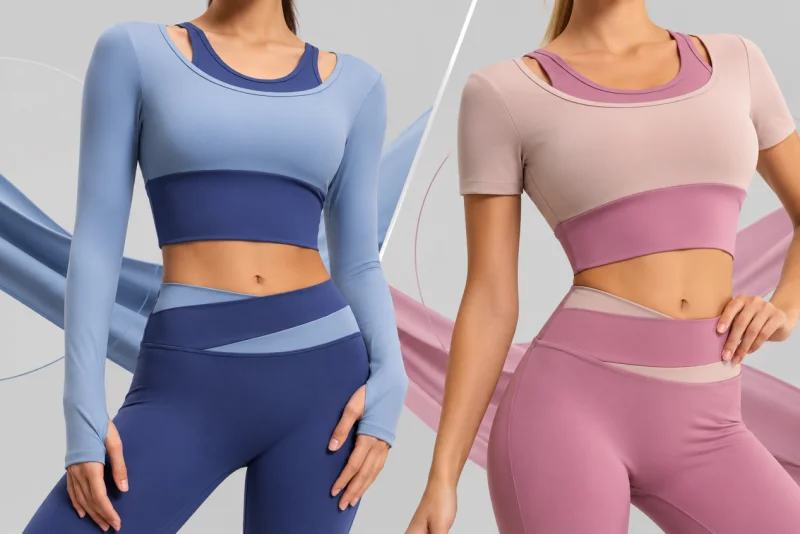
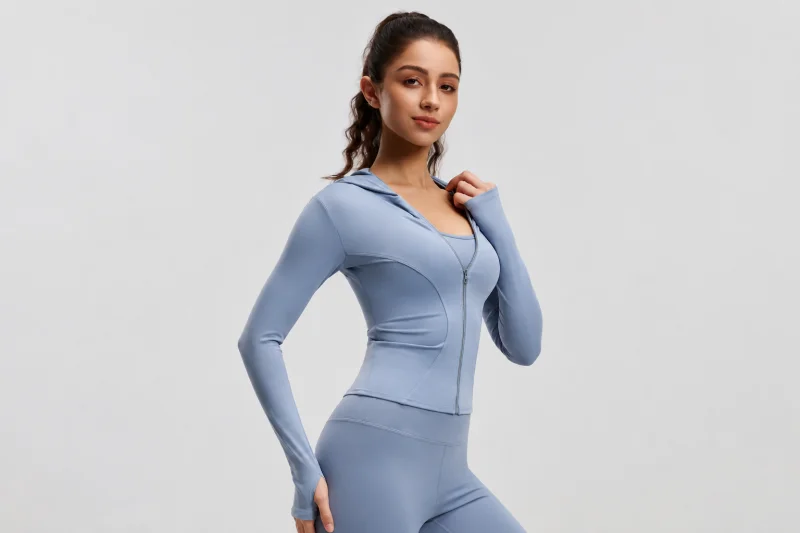
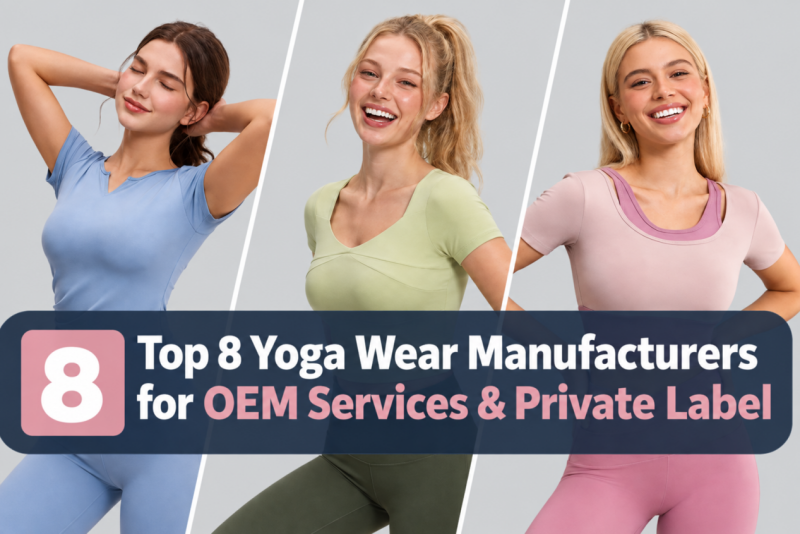
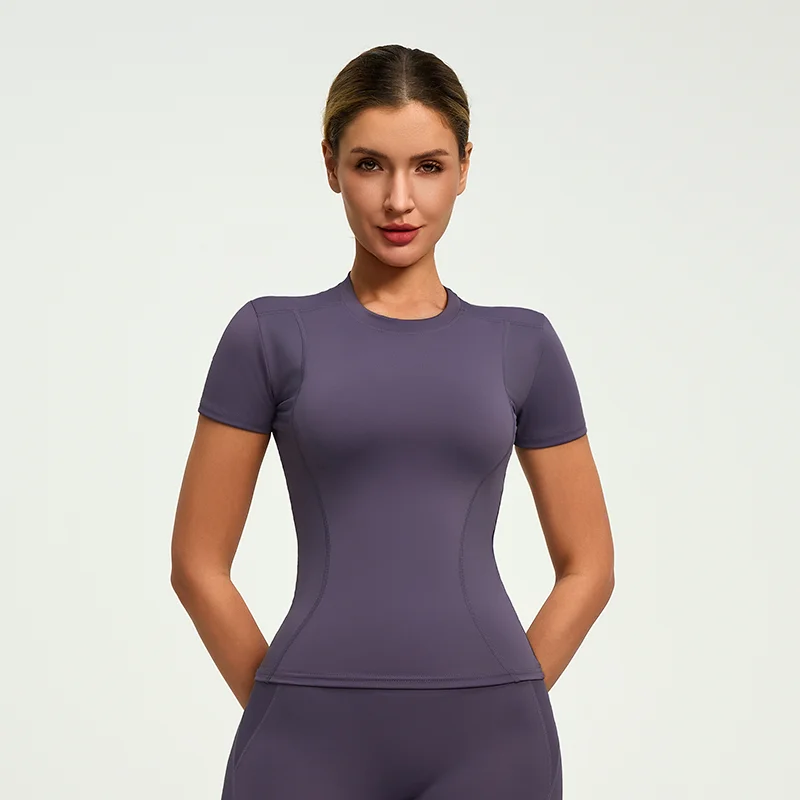
The women yoga top short sleeve category can cover close-fitting training tees, relaxed studio tops, cropped silhouettes, mesh constructions, raglan sleeves, color-block designs, and cutout details. Before we make a sample, we ask buyers to specify whether the style is meant for yoga, higher-intensity workouts, casual layering, or a broader athleisure assortment.
Body length and sleeve construction deserve exact measurements. A cropped top must sit correctly with the intended waistband height, while a slim tee needs enough ease around the chest, shoulders, and upper arms to allow reaching and rotation. Raglan sleeves can change shoulder mobility and visual proportion, whereas set-in sleeves may deliver a cleaner conventional shape.
We record these points in the tech pack rather than leaving them to interpretation. The file identifies the approved measurements, tolerances, construction details, and sample comments so cutting and sewing teams work from the same fit standard when the style moves into bulk production.
Neckline shape can also influence both comfort and brand identity. Crew necks are versatile, but width, depth, binding tension, and seam finish all affect how the neckline lies after washing. On-body review and basic care testing should confirm the neckline before the collar is approved for production.
Assortment role can guide design detail. A basic tee intended to support several bottoms may benefit from a clean silhouette and stable core colors, while a statement top can use mesh, cutouts, contrast panels, or other visible features.
Separating core and fashion functions prevents the buyer from over-customizing every SKU and helps concentrate development time where differentiation has the most retail value. The chosen direction should also be checked against the other tops in the range so the collection does not repeat nearly identical silhouettes without a clear reason.
Choose Fabric and Branding as One Specification
A short-sleeve training top often needs a combination of stretch, breathability, quick drying, and adequate recovery. In the Joebond short-sleeve category, we work with slim and loose styles and performance-oriented constructions, focusing on how the chosen textile keeps its shape, handles perspiration, and maintains surface quality through repeated wear and laundering.
For buyers, the practical question is whether the chosen textile keeps its shape, handles perspiration, remains comfortable against skin, and maintains color and surface quality through repeated wear and laundering.
Logo treatment should be selected according to fabric behavior. Heat-applied graphics, printing, embroidery, and labels interact differently with light stretch fabrics, so we test the real artwork at the intended size and location instead of approving a temporary placeholder.
We coordinate color matching, woven labels, hangtags, and packaging within one approval cycle for custom short sleeve shirts. This lets the brand confirm that garment color, logo tone, trim, and presentation work together before bulk production, especially when several colors are planned for one launch.
Seam placement should be considered from both comfort and manufacturing perspectives. Underarm joins, side seams, shoulder seams, and hems experience different movement and friction. A sample review can check whether seam allowances lie smoothly, whether coverstitching stretches with the fabric, and whether thread tension changes the shape of a lightweight top after laundering.
We record the approved decoration method and artwork dimensions so later color extensions can change a controlled variable without recreating the whole branding process.
Check OEM Execution Before Confirming the Order
Sampling is where we verify the complete specification with the buyer. Fit, sleeve opening, body length, stretch, seam comfort, neckline recovery, drying behavior, and branding are reviewed as one package. Sample confirmation through Joebond lets us turn buyer comments into a defined production reference while preserving room for broader customization.
We plan delivery around both garment production and finishing steps. A women yoga top short sleeve order may involve several colorways and size ratios, so fabric availability, cutting, sewing, logo application, inspection, packaging, and shipping need to be sequenced around the retail launch.
Before bulk production, we record the approved fabric, color standard, measurement chart, tolerances, stitching details, artwork, label positions, packaging, quantity split, inspection requirements, and shipment date.
Once the specification is fixed, our production team can reproduce the style more consistently in later replenishment orders and support collection expansion with less operational friction.
Future replenishment is prepared during the original production run. The approved fabric code, pattern and grading version, artwork, thread, labels, packaging, and inspection criteria are assigned to the final sample, while order-specific variables such as color and quantity remain separate.
That structure is useful when a merchandising team requests a rapid repeat months later: our production staff can restart from an established shirt standard, confirm only the changed inputs, and protect the original fit and presentation without reconstructing the order from old conversations.