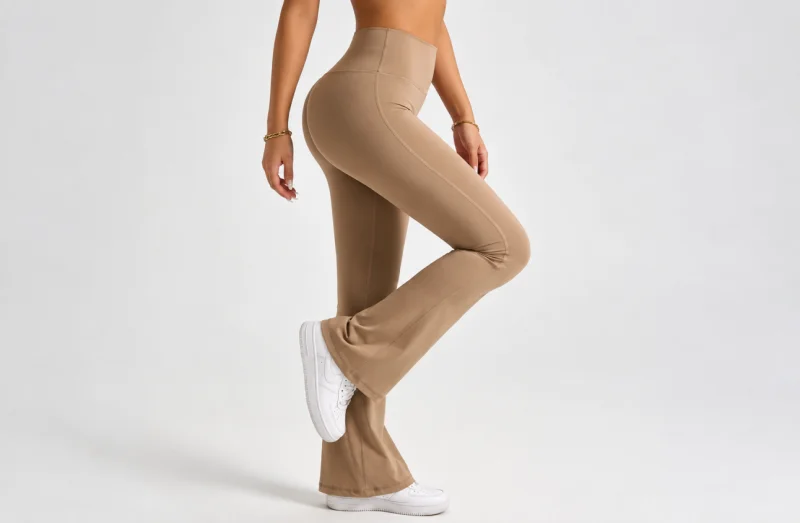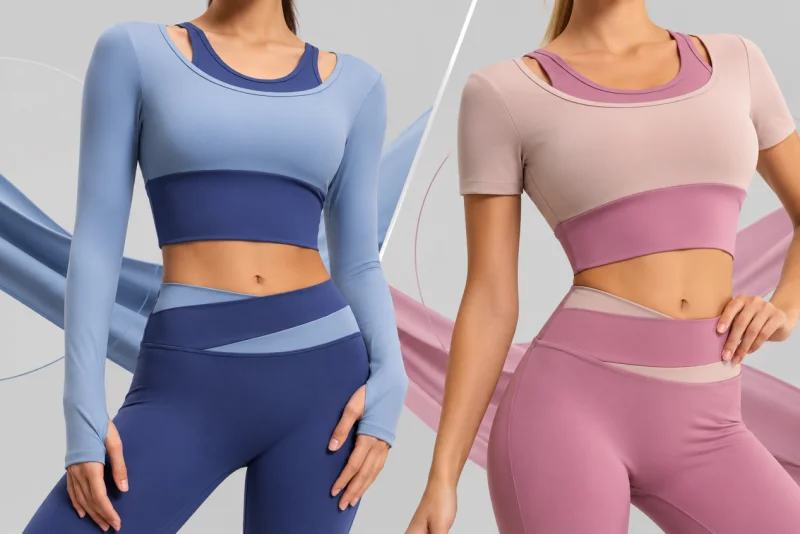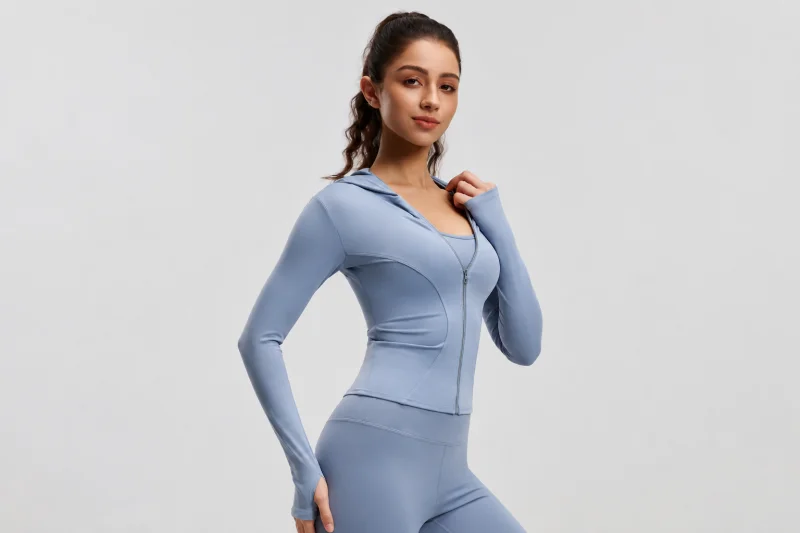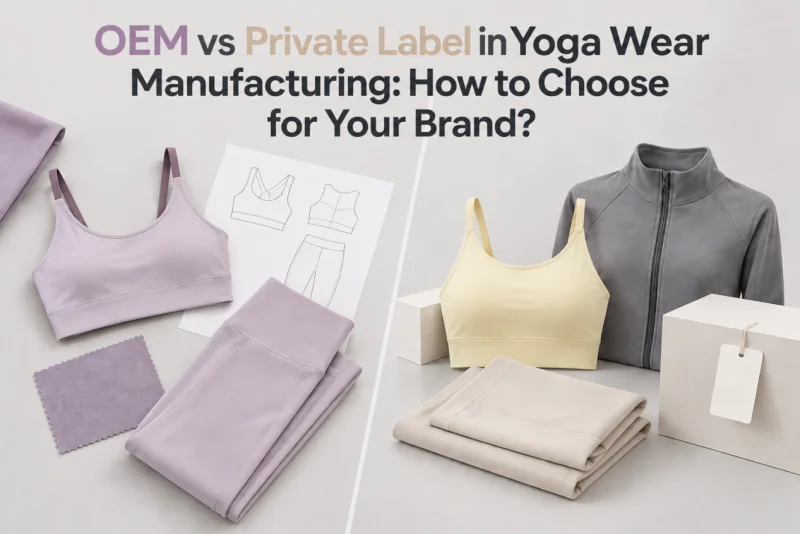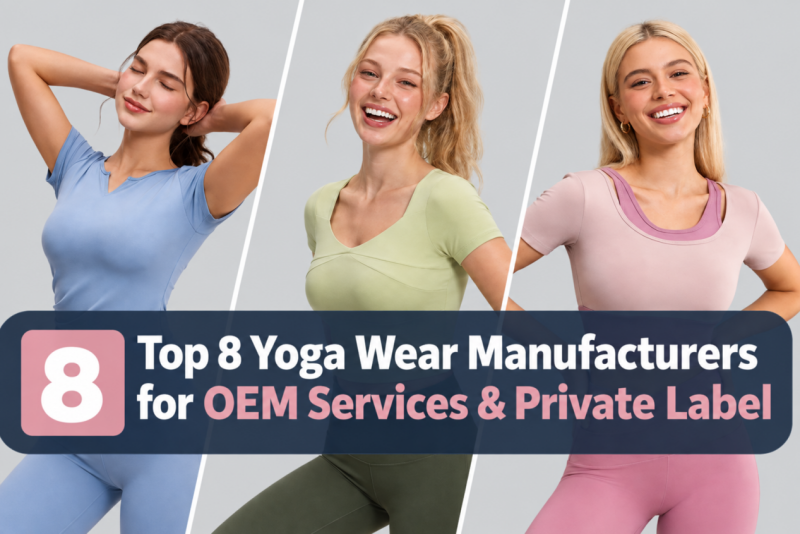
Retail buyers, wholesalers, and private-label brands often compare product development routes before placing large orders. Material quality, production flexibility, and supply reliability all influence long-term success. Many sourcing teams evaluate custom yoga clothing alongside custom yoga apparel to match their target market, pricing strategy, and branding objectives.
Product Scope and Commercial Positioning
Retail programs often begin with a clear product definition instead of sample development alone. Product categories affect pattern grading, fabric sourcing, packaging, and inventory planning. Clear specifications reduce revisions and improve communication between buyers and manufacturing teams.

Many buyers use the terms interchangeably, yet purchasing requirements may differ depending on sales channels and merchandising goals. Product positioning should reflect seasonal demand, regional preferences, and expected order volumes instead of relying on broad market assumptions.
When product collections expand, consistency across multiple styles becomes increasingly important. Coordinated sizing, color continuity, and fabric performance help strengthen brand identity while simplifying replenishment planning for repeat orders.
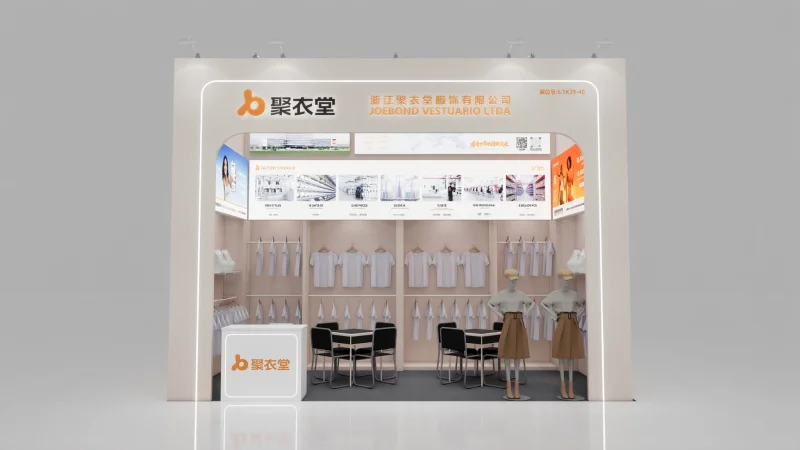
Many international customers work with Joebond because we integrate textile sourcing, manufacturing, quality management, and finished product support within one supply chain. That structure helps reduce coordination challenges across multiple production stages.
Manufacturing Planning for Stable Supply
Production planning begins long before fabric enters the cutting room. Material availability, dye schedules, accessory procurement, and capacity allocation all influence delivery performance for wholesale programs with recurring purchase cycles.
Reliable sourcing also depends on realistic minimum order quantities. Balanced production planning allows buyers to introduce new collections while controlling inventory exposure during seasonal launches or regional market testing.
Fabric testing supports long-term product consistency. Stretch recovery, colorfastness, moisture management, and seam durability should all align with the intended customer experience rather than simply meeting appearance expectations.
Many sourcing discussions include custom yoga apparel because broader collection planning often combines leggings, bras, tops, jackets, and accessories within one coordinated manufacturing program.
Material Quality and Performance Expectations
Fabric performance directly affects consumer satisfaction after purchase. Buyers increasingly request materials that retain shape through repeated washing while maintaining comfort during movement, making technical textile selection an important commercial decision.
Fiber composition should support intended retail positioning. Nylon blends, polyester blends, cotton mixtures, and recycled materials each offer different balances of durability, elasticity, appearance, and production efficiency for diverse market segments.
Construction methods also influence garment longevity. Flatlock stitching, reinforced stress points, smooth seams, and consistent finishing help reduce product complaints while supporting repeat business from retail customers.
Many wholesale collections expand through custom yoga clothing programs that allow fabrics, trims, labels, and sizing standards to reflect each brand’s individual market strategy.
Customization That Supports Brand Growth
Private-label buyers often seek differentiation without creating unnecessary manufacturing complexity. Practical customization options include logo application, color development, packaging, woven labels, printed care instructions, and coordinated hangtags for retail presentation.
Brand consistency becomes easier when design standards remain documented across multiple production cycles. Technical packages with accurate measurements and construction details reduce misunderstandings during sample revisions and mass production.
Packaging also contributes to commercial value. Organized carton planning, barcode labeling, and shipment identification improve warehouse efficiency after products arrive at distribution centers or fulfillment facilities.
Working with Joebond allows us to coordinate OEM and ODM development while supporting adjustments that reflect changing retail requirements across different international markets.
Quality Control Throughout Production
Quality management should continue from incoming materials through final inspection rather than focusing only on finished garments. Early identification of issues reduces waste, protects delivery schedules, and supports consistent customer satisfaction.
Inspection procedures commonly include fabric evaluation, measurement verification, stitching review, printing assessment, and packaging confirmation. Structured checkpoints help maintain production accuracy across larger manufacturing runs.
Communication between buyers and manufacturers also contributes to quality outcomes. Timely approval of samples, color standards, and packaging specifications minimizes uncertainty before full production begins.
For brands expanding seasonal collections, custom yoga apparel frequently becomes part of wider sourcing strategies that emphasize consistency across multiple product categories and international distribution channels.
Building Long-Term Manufacturing Partnerships
Stable manufacturing relationships extend beyond individual purchase orders. Ongoing cooperation improves forecasting, production scheduling, and material planning, creating efficiencies that benefit both buyers and suppliers over time.
Open communication supports faster responses when market demand changes. Flexible planning allows product updates, replenishment orders, or new color introductions without restarting every development process from the beginning.
Transparent production capabilities also help purchasing teams make informed decisions. Buyers benefit from clear expectations regarding timelines, sampling procedures, compliance requirements, and quality verification before confirming commercial agreements.
Many customers continue working with Joebond because we combine production experience with integrated supply chain coordination, helping retailers and wholesalers maintain consistent sourcing across expanding product portfolios.
Strong sourcing decisions balance quality, flexibility, production stability, and long-term commercial value. Buyers comparing manufacturing options should evaluate operational capability alongside product development services. A reliable supplier can support sustainable growth as collections expand. Well-planned custom yoga clothing programs and carefully managed custom yoga apparel strategies create stronger retail opportunities while reducing sourcing risks.