NEWS

Stay updated with our latest news, industry insights, and company developments.

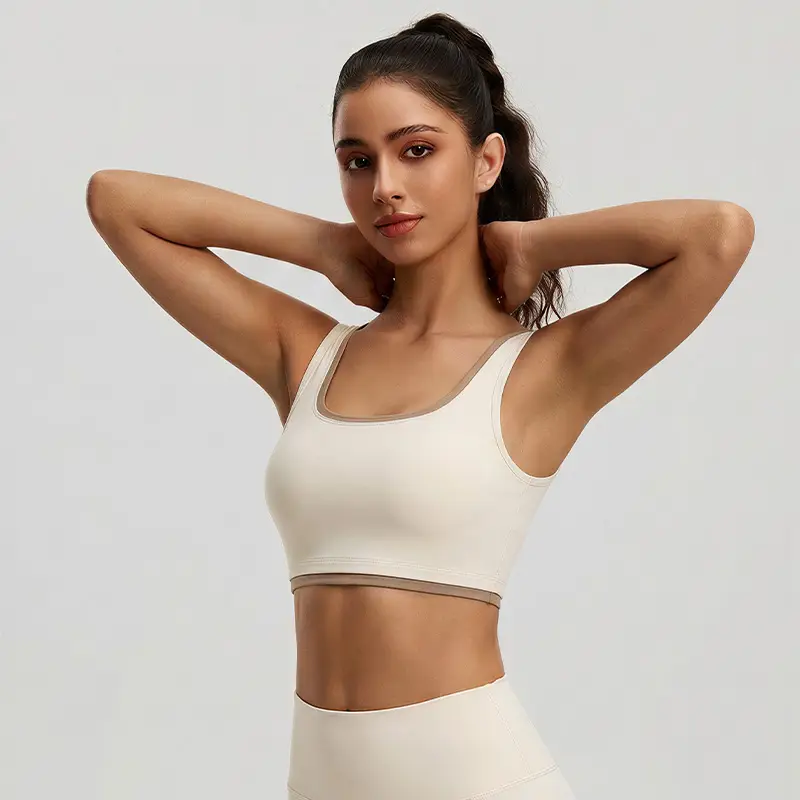
How to Choose Fabric and Elastic for Custom Sports Bras?

Fabric and elastic choices enter our sports-bra development process as production decisions, not isolated material selections. Our team links body fabric, underband tension, straps, cups, binding, and seam construction to the required support level and size range, then verifies the combination through sampling before the material specification is released.   For custom sports bras, we first define support, coverage, stretch, recovery, hand feel, drying behavior, and target sizing with the buyer. That brief allows our sourcing and sample teams to compare realistic material options against the same commercial target, shortening the path from fabric discussion to an approvable garment.   Evaluate Fabric and Elastic as One Support System Reliable sports bra wholesale suppliers need control over the interaction between fabric and elastic. A stable underband cannot correct excessive stretch in the body fabric, and strong body fabric cannot offset straps or binding with poor recovery, so our development tests the assembled components through extension, movement, and basic wash evaluation.   Four-way stretch, moisture management, breathability, and hand feel are evaluated on the actual textile selected for the program. Nylon- or polyester-based stretch blends, recycled polyester options, and other performance materials can serve different price and feel targets, but our recommendation is

Read More »

Best Fabrics for Custom Yoga Leggings: Stretch, Opacity, and Comfort

Choosing fabric for custom yoga leggings is not simply a matter of selecting nylon or polyester. Buyers must consider how the finished material stretches, recovers, handles moisture, remains opaque, and feels during extended wear. A fabric may feel soft in a sample book but become transparent when stretched. Another fabric may provide firm compression but trap heat during intensive workouts. Therefore, B2B buyers should evaluate fabric according to the intended customer, activity, fit, and retail positioning. Which Fabric Types Work Best for Custom Yoga Leggings? The most suitable fabric blend depends on whether the leggings are designed for yoga, high-intensity training, casual wear, or compression-focused collections. Common options include nylon-spandex, polyester-spandex, recycled versions of these blends, and brushed versions developed for a softer surface. However, fiber percentages alone do not predict the final performance because yarn construction, knitting density, finishing, fabric weight, and dyeing can change how the material behaves. Fabric option Typical strengths Points to evaluate Nylon-spandex Smooth hand feel, close fit, flexible movement Pilling, drying speed, color consistency Polyester-spandex Low fiber moisture absorption, quick-drying potential, and sublimation-print compatibility Surface feel, breathability, odor retention Recycled synthetic blend Supports sustainability-focused collections Certification, consistency, traceability Brushed fabric Soft surface and comfortable casual

Read More »

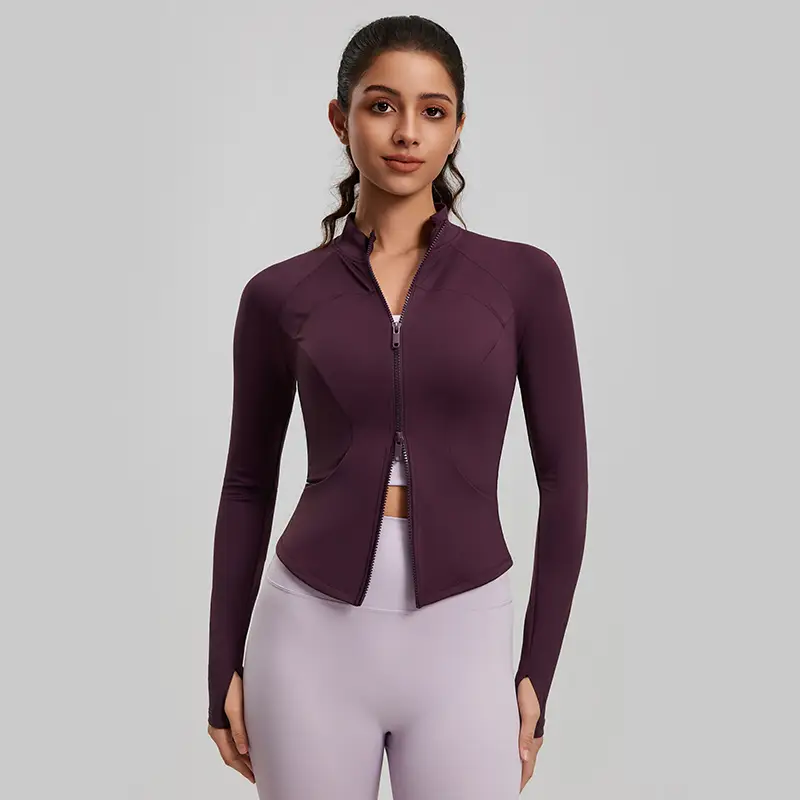
Custom Jacket Manufacturer vs Ready-made Supplier: Which Is Better?

Custom production and ready-made supply solve different commercial problems, so our first task is to identify which problem matters most for the jacket program. Launch speed, design control, inventory exposure, market testing, and expected reorder frequency determine whether the buyer benefits from stock, customization, or a combination of both.   The decision around custom yoga jackets usually depends on the number of variables the buyer wants to own. Fabric, color, collar shape, garment length, size specification, logo method, packaging, and coordinated bottoms can all affect development time. A stocked jacket reduces those decisions, but it also limits how far the product can be differentiated.   Use Ready-Made Supply When Speed Leads the Decision A yoga jacket wholesale program based on existing stock can shorten the path from selection to shipment because the base garment has already been developed. This route works well when a buyer needs quick replenishment, wants to test a market with less development work, or needs supporting pieces for an assortment that already has a clear visual direction.   Speed still depends on disciplined confirmation. Before relying on a short dispatch window, buyers should confirm available colors, size ratios, fabric characteristics, construction, packing format, and stock quantity. We handle

Read More »

How OEM Yoga Wear Manufacturing Supports Brand Growth?

Activewear growth puts pressure on the operating details that a small launch can hide. Higher volumes and wider assortments require stable fit standards, dependable material references, defined quality checkpoints, and production timing that can absorb both planned launches and unexpected demand. We build those controls into development before scale makes them difficult to change.   A oem yoga wear manufacturer can support that transition only when design, sampling, sourcing, production, and replenishment remain connected. Our role is to carry an approved product standard through each stage while giving the brand room to adjust quantities, colors, and assortment depth as sales become clearer.   Turn Product Ideas Into Repeatable Specifications Early growth often exposes gaps that remain hidden during a small test order. One successful sample may look convincing, but a growing program also needs documented measurements, fabric references, color standards, logo files, labels, packaging instructions, and acceptance points. We organize these items before bulk production so later orders do not depend on memory.   A brand entering yoga wear wholesale may need a core assortment that can be reordered while seasonal colors or silhouettes change around it. We separate permanent specifications from optional design variables. The stable part can include grading, construction,

Read More »

Custom Sports Bras for Yoga, Gym, Pilates, and Athleisure Collections

The right custom sports bras should match the movements, support expectations, and styling needs of their intended users. A yoga bra and a gym bra may look similar, but the required straps, cups, underband, and support structure can be very different. For B2B buyers, the challenge is to build a focused collection rather than ordering several styles that serve the same purpose. Comparing each design by activity helps buyers select suitable products for yoga, Pilates, gym training, and everyday athleisure. How Should Buyers Match Custom Sports Bras to Different Activities? Buyers should begin by defining the activity because movement intensity affects the required support, coverage, and construction. A sports bra designed for slow stretching may prioritize flexibility and a light feel. A training bra may need a wider underband, more stable cups, or an adjustable closure. Activity Main product priority Useful design direction Yoga Flexible movement and comfort Cross-back or strappy design Pilates Stable fit without excessive pressure Medium coverage and smooth construction Gym training More structured support Wide underband or secure back design Athleisure Comfort and visual appeal Colorblock details and everyday styling   What Sports Bra Design Works for Yoga and Pilates? Yoga and Pilates sports bras should allow

Read More »

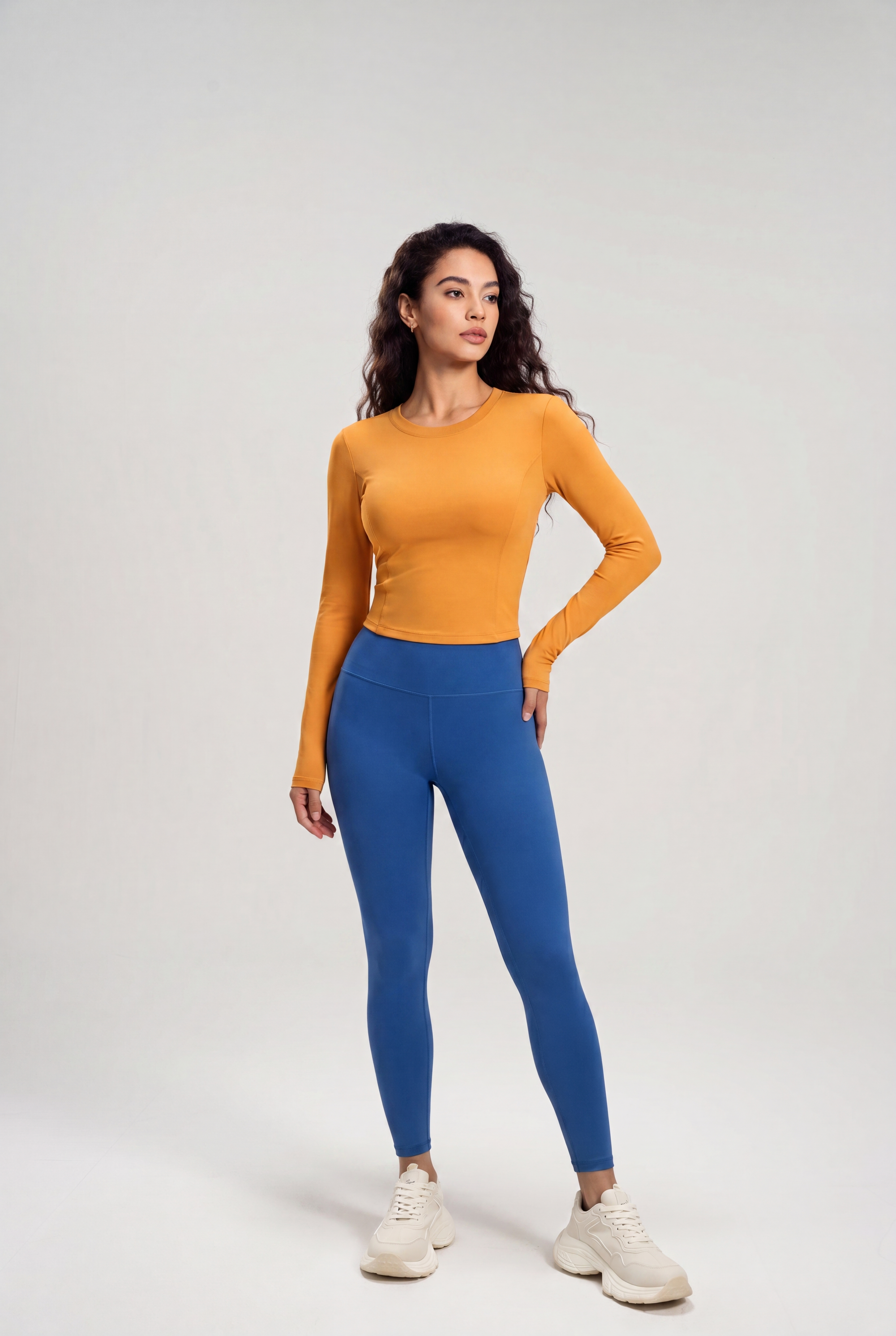
Custom Long Sleeve Shirts OEM Guide for Private Label Brands

Launching custom long sleeve shirts involves more than adding a logo to an existing garment. Private label brands must define the fit, fabric, construction, sizing, branding, and quality standards before asking a manufacturer to begin production. A clear development process reduces repeated sampling, inconsistent sizing, and avoidable production delays. This guide explains how brands can turn an initial design idea into production-ready long sleeve yoga tops while maintaining control over product quality and brand positioning.   What Should Brands Decide Before Customizing Long Sleeve Shirts? Brands should first define how the garment will fit, perform, and sit within the wider product range. A long sleeve top designed for low-impact yoga has different requirements from a fitted training top or a loose studio cover-up. Therefore, the product brief should describe the intended activity rather than relying on broad terms such as “activewear top.” Key decisions include: Fitted, regular, relaxed, or oversized silhouette Cropped, waist-length, or hip-length body Low-, medium-, or high-intensity use Base layer, standalone top, or outer cover-up Entry-level, mid-range, or premium retail positioning Fit is particularly important for custom long sleeve shirts because sleeve length, shoulder width, armhole shape, and torso length affect movement at the same time. A shirt may

Read More »