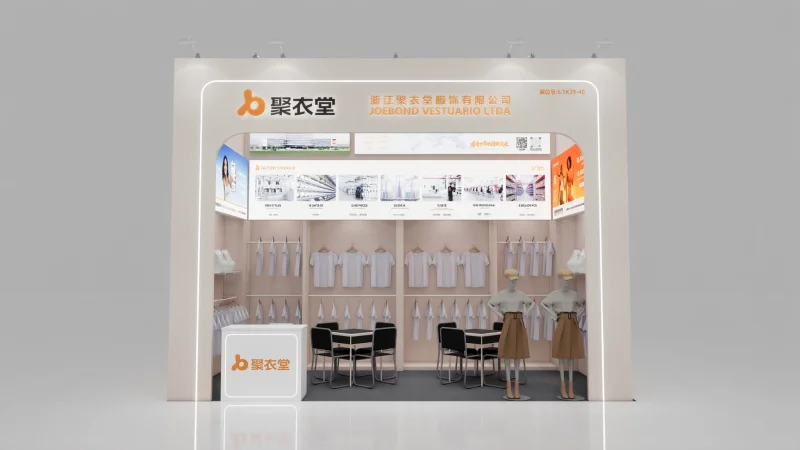
A wholesale yoga apparel order becomes easier to control when every commercial decision can be carried through production without being reinterpreted. We start with the buyer’s launch plan, assortment, quantity mix, quality target, and delivery window, then connect those requirements to the manufacturing route instead of judging the order from unit price or one attractive sample.
As a yoga wear manufacturer, we create value by coordinating the supply chain behind the garment, not by stopping at finished-piece supply. Our role covers the decisions that determine whether an approved concept can be produced repeatedly with stable materials, consistent workmanship, and a delivery plan that remains workable as the assortment grows.
Before production begins, our team maps design, fabric preparation, sampling, inspection, stock, packing, and logistics against the same order calendar. This makes dependencies visible early, especially when several styles, colors, or size runs must reach the buyer in one selling window, and gives both sides a clearer basis for resolving changes before they disrupt output.
Start With the Order Model, Not the Catalog
The first decision is whether the collection should come from ready stock, OEM/ODM development, or a deeper private label yoga wear program. Each route carries a different calendar: stock supports quick replenishment, while custom work needs time for fabric confirmation, sampling, branding approval, and bulk production. We define the supply route for every SKU before final quantities are fixed.
Branding scope also changes the workload behind an order. Logo printing, embroidery, woven labels, hangtags, custom packaging, color matching, and style modifications each add control points. If these details are approved late, the production schedule can become compressed.
A practical purchase brief should distinguish fixed visual elements from options that can use existing materials or trims and details that require new development from our team. Making that split early helps us assign sampling work, material preparation, and approval time before the production calendar is locked.
Sampling deserves the same attention as price negotiation. A physical sample gives the buyer a chance to verify fit, workmanship, fabric hand feel, logo placement, and construction before mass production.
When several sizes or related styles are involved, we keep the approval record clear enough for our production team to reproduce the agreed standard without relying on verbal instructions.
MOQ structure should be discussed at the same time as assortment breadth. A buyer ordering ten colors across many sizes may create more production complexity than a larger order concentrated in two core styles.
Reviewing SKU count, size ratios, and color splits before confirmation helps our production team plan materials and capacity more accurately while giving the buyer a clearer view of which items can be replenished quickly.
Check Capacity, Lead Time, and Supply-Chain Control
Production capacity matters most when it is connected to an actual delivery plan. Across Joebond, we operate with annual output above 45 million pieces, around 8 million pieces of ready stock, and daily capacity of 150,000 to 200,000 pieces.
Our stated production targets include up to 10,000 custom pieces within seven days and 50,000 within fifteen days. We still ask buyers to treat these figures as planning inputs and confirm that style complexity, fabric availability, and order mix fit the required schedule.
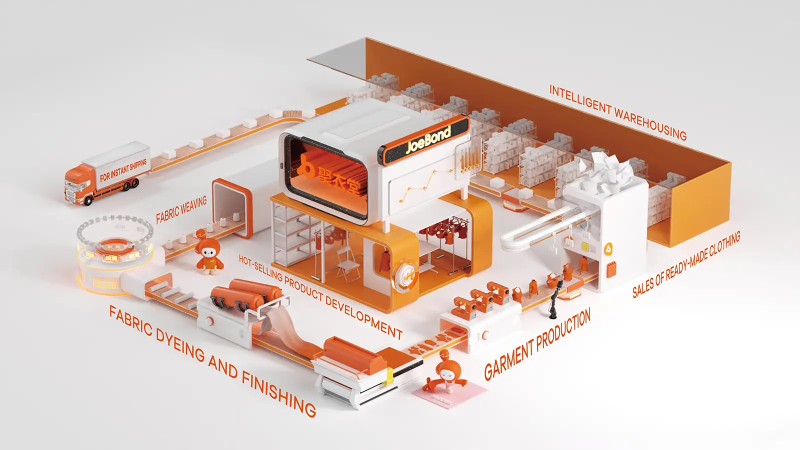
Our vertically connected supply chain helps reduce handoffs between separate vendors. We cover raw materials and yarn through knitting or weaving, dyeing, garment production, sales support, and visual services within the broader supply-chain model.
For wholesale buyers, this structure means we can coordinate fabric changes, color issues, pattern revisions, and production questions within a more integrated system instead of passing them repeatedly between unrelated suppliers.
Quality control runs through the order instead of appearing only at final packing. Fabric sourcing, sample approval, bulk sewing, measurements, logo execution, and packaging each have their own acceptance points, so our inspections follow the specifications established during development and flag deviations while correction is still practical.
Material availability is another checkpoint we review because delivery speed depends on more than sewing capacity. Stock fabric, custom dyeing, special trims, and newly developed colors follow different schedules, so we help buyers separate ready materials from items that require new preparation and connect each group to the launch calendar.
Turn Supplier Evidence Into a Purchase Decision
Commercial reliability becomes clearer when capability is tested against the planned assortment. In a second discussion with us as the yoga wear manufacturer, buyers can examine whether ready stock, custom production, and replenishment can be combined across the collection, especially when core items need to launch before more differentiated styles.
The same logic applies to private label yoga wear. By coordinating materials, sampling, garment making, branding, packaging, and delivery, we can reduce the number of external parties a buyer has to manage.
With Joebond, buyers can assess our operation against concrete order requirements: MOQ, customization depth, material coordination, delivery timing, inspection scope, and the ability to combine stock with made-to-order production. That comparison keeps the decision focused on supply performance rather than catalog size.
A reliable purchase order is built from settled commercial and technical inputs. Quantity, size ratio, fabric, color, branding, sample status, inspection criteria, packaging, shipment date, and change responsibility all need clear ownership before cutting starts.
Once those inputs are aligned with available materials and capacity, scaling the assortment becomes a planning exercise rather than a series of emergency decisions. Our team can then allocate production windows, prioritize core SKUs, and flag any custom element that could affect the launch date before quantities increase.
The final review also defines payment terms, change control, split-shipment handling, and the response to failed color or artwork checks. Clear rules at this stage protect the launch calendar and give the buyer a practical route for expanding the order without sacrificing control.