Retail growth in activewear depends on consistent quality, flexible manufacturing, and dependable delivery rather than short-term pricing alone. Buyers evaluating a long-term yoga wear manufacturer should compare material sourcing, development capability, production management, and communication across every stage before placing larger commercial orders.
Fabric Decisions That Support Commercial Apparel Programs
Fabric performance influences comfort, durability, appearance, and repeat purchasing. Retailers often compare nylon blends, polyester blends, cotton-rich options, and recycled materials according to intended market positioning instead of relying on a single textile solution for every collection.
Stretch recovery matters because yoga garments experience repeated movement during daily wear. Balanced elasticity helps garments retain shape after washing while maintaining comfort across different body types and activity levels. Careful yarn selection also supports long production runs with consistent quality.
Moisture management, breathability, colorfastness, and abrasion resistance all contribute to customer satisfaction. Laboratory testing before bulk production reduces unexpected performance issues and supports more predictable inventory planning for distributors and retail chains.
Working with experienced technical teams allows us to recommend materials that align with brand positioning, seasonal demand, and target pricing. Integrated textile sourcing also improves production coordination while reducing unnecessary communication between multiple independent suppliers.
Evaluating Manufacturing Capabilities Before Volume Orders
Production capacity alone does not guarantee dependable commercial supply. Buyers also need structured quality systems, transparent scheduling, and stable sourcing that continue performing during seasonal demand fluctuations and expanding order volumes.
Many purchasing teams compare a yoga clothes manufacturer by reviewing sampling procedures, technical documentation, inspection standards, and communication speed. Clear development workflows shorten approval cycles while helping prevent misunderstandings before production begins.
Pattern development plays an important role in garment consistency. Well-developed grading ensures multiple sizes maintain the intended fit without creating excessive fabric stress, distortion, or unnecessary production waste during cutting and sewing operations.
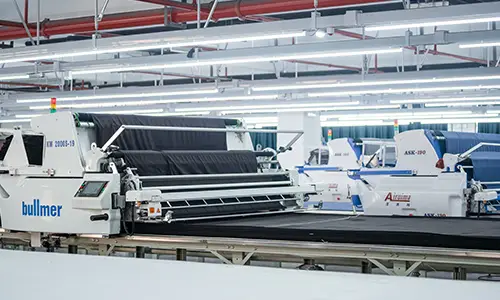
As a vertically integrated manufacturer, Joebond manages textile sourcing, production, and finished apparel within one coordinated supply chain. This structure supports stronger process visibility and allows us to respond efficiently when commercial requirements change during ongoing projects.
Why a Yoga Wear Manufacturer Should Offer Flexible OEM And ODM Support
Private-label buyers frequently require different development approaches depending on brand maturity. Start-up labels may need broader product guidance, while established retailers often provide complete specifications requiring accurate execution and dependable manufacturing discipline.
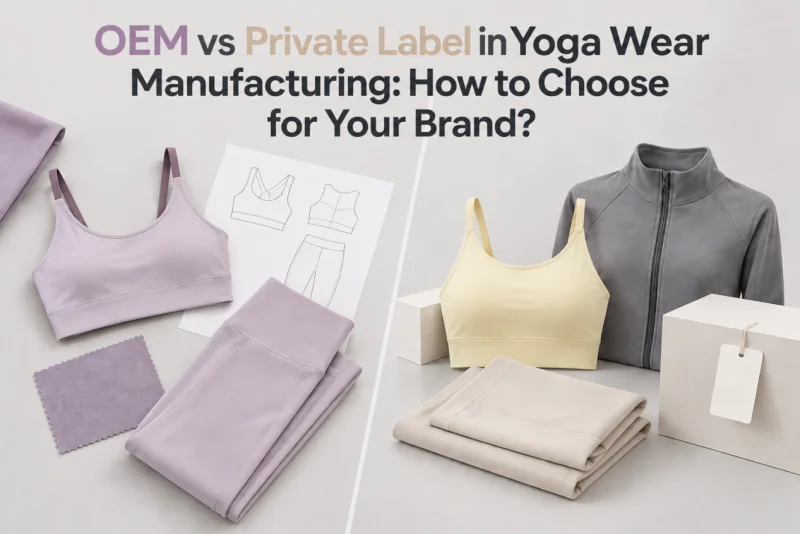
OEM production focuses on manufacturing according to customer designs and technical packages. ODM services provide additional support for product development, construction refinement, and material recommendations while preserving commercial flexibility for different business models.
Packaging, labeling, logo application, and compliance documentation should also integrate smoothly into manufacturing schedules. Coordinated execution reduces delays that commonly appear when several external vendors manage different production stages independently.
Working together, we help customers adapt collections for regional preferences, seasonal launches, and wholesale requirements without adding unnecessary complexity. Long-term partnerships benefit from stable communication, realistic planning, and practical manufacturing experience rather than unrealistic production promises.
Quality Control Throughout the Production Process
Quality assurance begins before bulk sewing starts. Fabric inspection, color verification, shrinkage evaluation, and accessory confirmation reduce preventable issues that may otherwise appear after production reaches large commercial quantities.
During manufacturing, inline inspections identify workmanship variations before they affect complete production batches. Continuous monitoring allows corrective action without interrupting production efficiency or delaying shipment schedules unnecessarily.
Finished garments undergo final inspections covering measurements, stitching quality, labeling accuracy, packaging, and overall presentation. Consistent review standards support reliable inventory for wholesalers, retailers, and international distribution partners serving multiple consumer markets.
Our integrated production management allows Joebond to coordinate quality activities from raw materials through finished apparel. This connected workflow helps maintain product consistency while supporting repeat purchasing relationships across different international business segments.
Supply Chain Planning for Consistent Delivery
Reliable supply depends on preparation rather than reaction. Early forecasting allows raw materials, trims, production capacity, and shipping schedules to align before seasonal purchasing pressure increases throughout the apparel industry.
Many buyers evaluating a yoga wear manufacturer also consider inventory flexibility. Some projects require customized production, while others benefit from finished stock that supports faster replenishment and smaller commercial purchasing cycles.
Shipment planning includes packaging methods, carton optimization, documentation preparation, and logistics coordination. These operational details influence warehouse efficiency and retail readiness after products reach destination markets across different regions.
Through integrated operations, we coordinate sourcing, manufacturing, inspection, and delivery with one connected workflow. This approach reduces unnecessary handovers while helping customers maintain stable product availability during changing market demand.
Building Long-Term Partnerships with Global Apparel Buyers
Successful manufacturing relationships develop through consistent execution instead of isolated transactions. Open communication, realistic production schedules, and dependable after-sales support encourage repeat cooperation between suppliers and commercial buyers.
Retailers often review development responsiveness when comparing a yoga clothes manufacturer. Efficient sample revisions, timely technical feedback, and transparent progress updates help product launches remain aligned with seasonal merchandising plans.
Commercial apparel projects also benefit from continuous product improvement. Feedback collected from retailers and distributors supports future adjustments in construction, sizing, materials, and finishing without disrupting established brand identity.
Working closely with international customers, Joebond supports OEM, ODM, private-label development, finished stock programs, and integrated manufacturing services. Coordinated resources across production stages help create practical supply solutions for growing apparel businesses.
Building dependable sourcing relationships requires attention to materials, manufacturing discipline, quality management, and supply coordination from beginning to end. These considerations help buyers evaluate every yoga wear manufacturer with greater confidence while also comparing each yoga clothes manufacturer against long-term commercial objectives rather than short-term cost alone.