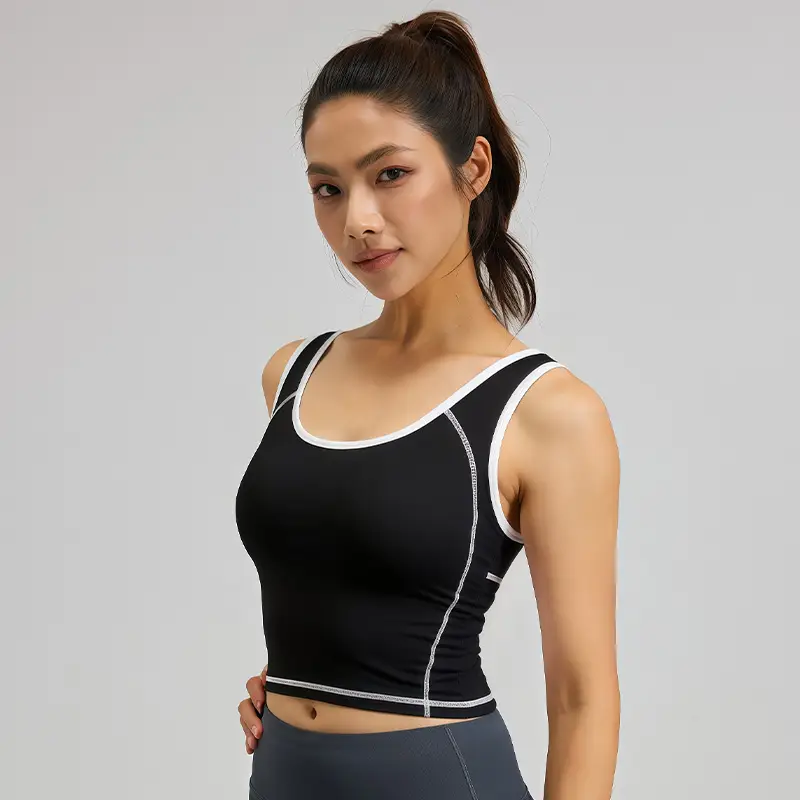
Engineering the Perfect Daily Training Yoga Sports Bra: A B2B Manufacturing Guide
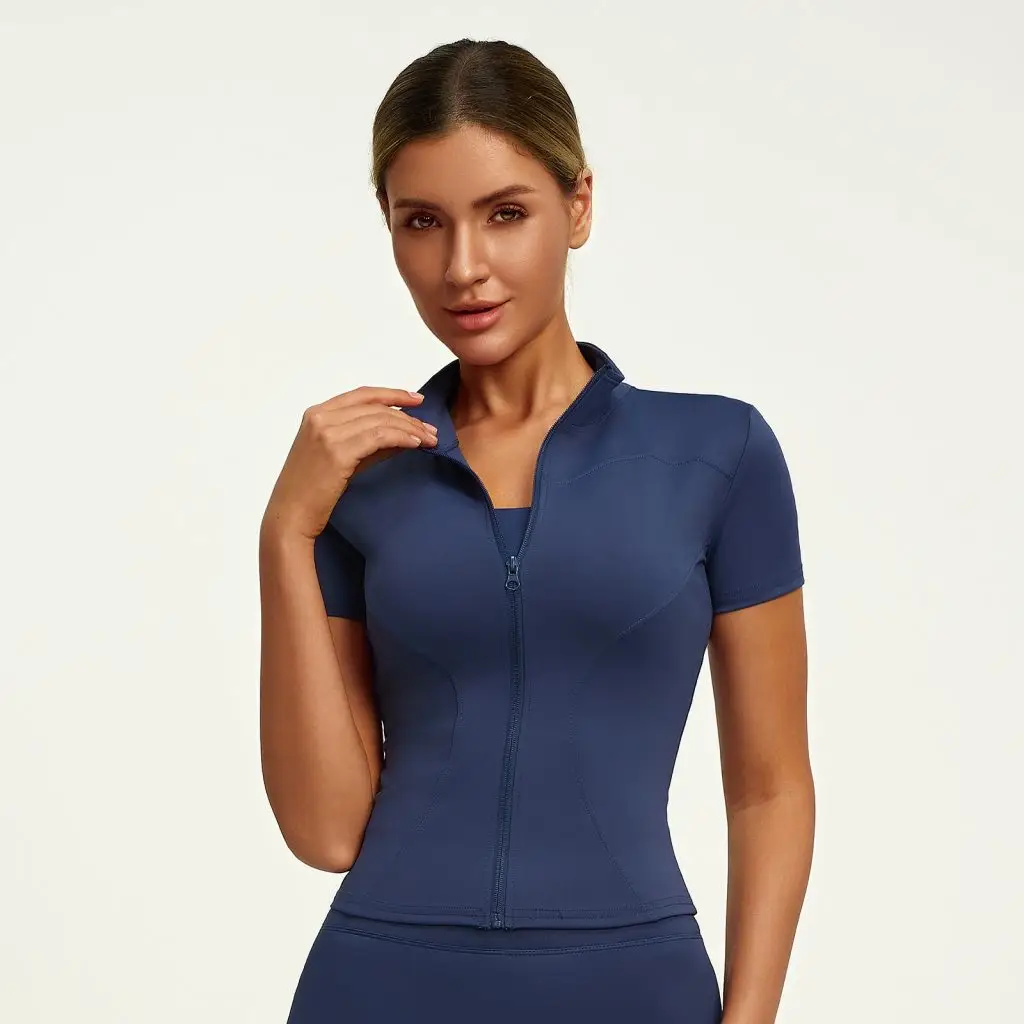
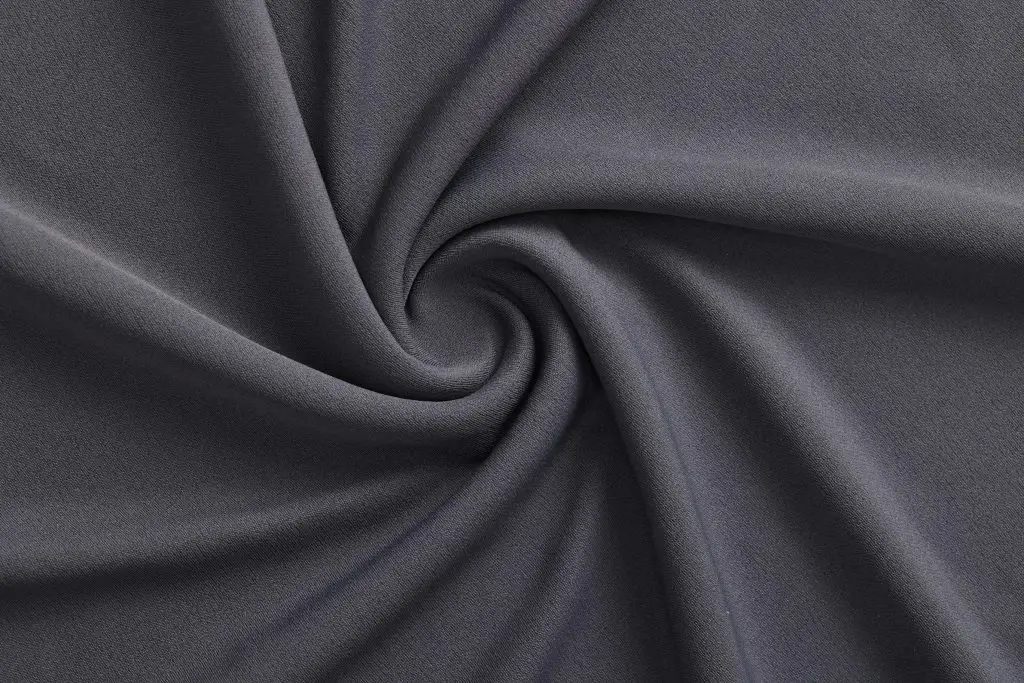
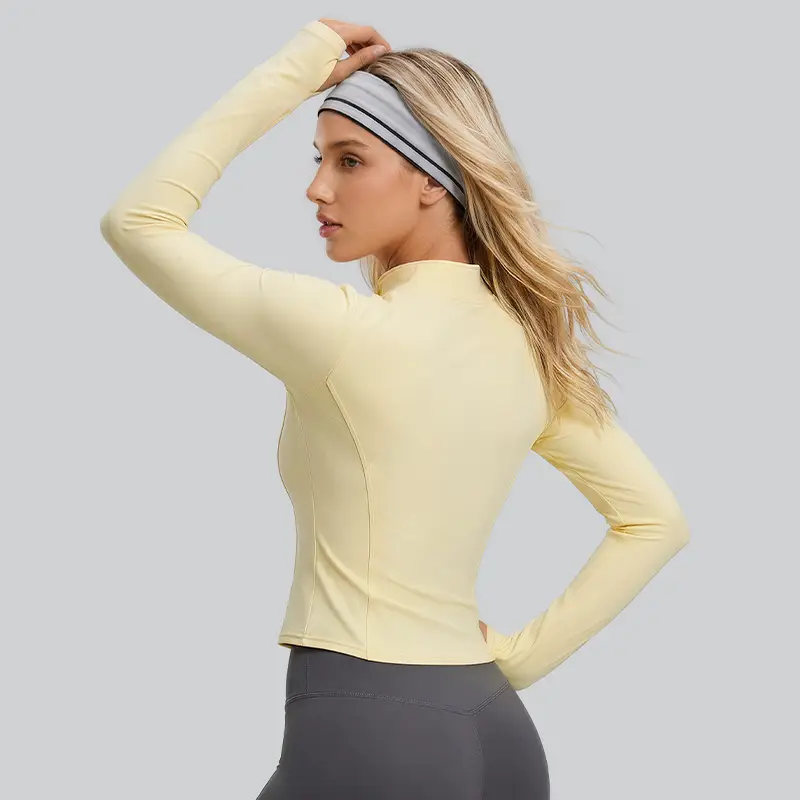
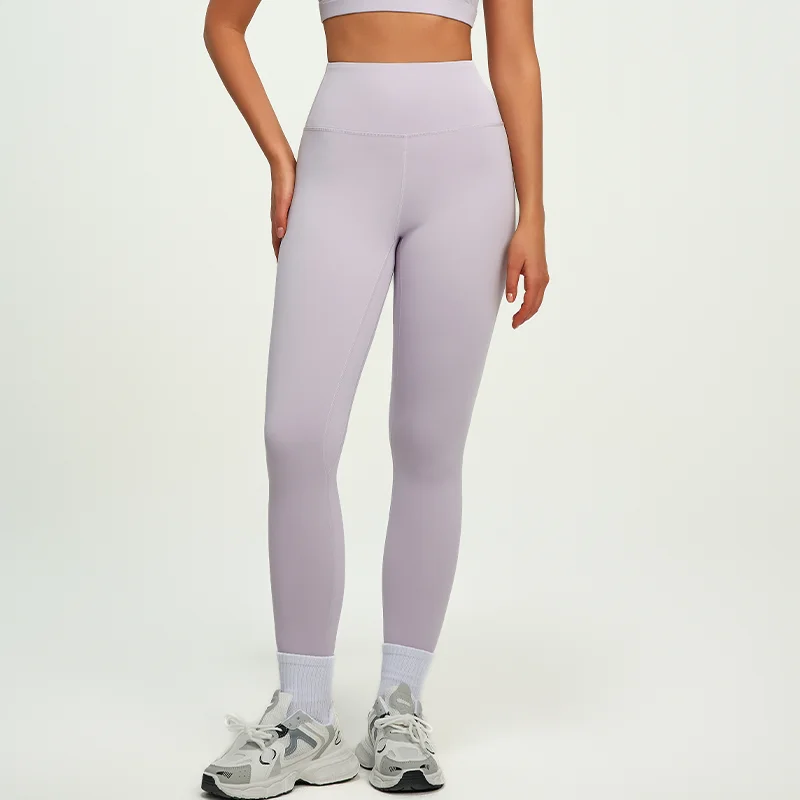
The global athletic market is experiencing a massive surge in demand for versatile, high-performance activewear that seamlessly transitions from intense studio sessions to everyday wear. For retailers and private label brands, sourcing the perfect daily training yoga sports bra requires balancing biomechanical support with long-term textile durability. Understanding how fabric weight, elastane tension, and construction techniques interact is essential to capturing this lucrative market segment. When expanding your inventory, partnering with an experienced manufacturer can help you secure high-quality custom sports bras that meet the strict requirements of modern fitness enthusiasts. Deconstructing Fabric Engineering and Moisture Management Daily training demands a careful equilibrium between compression and breathability to ensure athletes remain comfortable over long periods. High-performance yoga bras are typically crafted from premium nylon-spandex or polyester-spandex blends, chosen for their ability to deliver excellent opacity while preventing excess heat and moisture buildup—even through the most intense movements. The precise ratio of elastane determines the fabric’s modulus, which dictates how effectively the garment stretches and recovers. Lower-grade textiles often stretch out permanently after a few wash cycles, leading to structural sagging and a total loss of supportive compression. Brands must prioritize double-knitted interlock fabrics to guarantee four-way stretch capabilities. Moisture-wicking technology