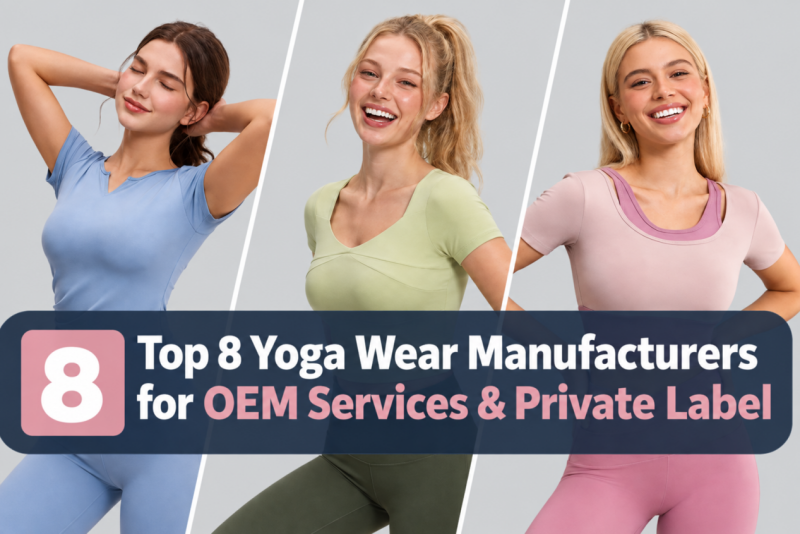
Training apparel plays an important role in customer satisfaction, repeat purchases, and brand reputation. Buyers serving yoga studios, sporting goods retailers, and private-label collections often evaluate garments beyond appearance. Product consistency, manufacturing reliability, and supply chain support all influence purchasing decisions. Many sourcing teams also look for custom short sleeve shirts that align with their branding strategies while maintaining dependable production quality.
Fabric Quality Supports Daily Training Performance
Comfort begins with the fabric. During yoga sessions, garments should remain lightweight while allowing continuous airflow. Materials that manage moisture efficiently help wearers stay comfortable throughout different training intensities without creating unnecessary distraction.
Fabric recovery is equally important. Repeated stretching should not permanently distort the garment or reduce its original fit. A well-developed knitting structure allows shirts to maintain their appearance after regular exercise and frequent laundering.
Buyers should also evaluate color consistency across production batches. Stable dyeing processes reduce variation between shipments, helping retailers maintain uniform collections and improving confidence in repeat purchasing programs.
Reliable textile sourcing contributes to predictable manufacturing outcomes. When fabric quality remains stable from raw material procurement through production, finished garments are more likely to meet commercial expectations across multiple order cycles.
Why Yoga Shirts Short Sleeve Appeal to Multiple Markets
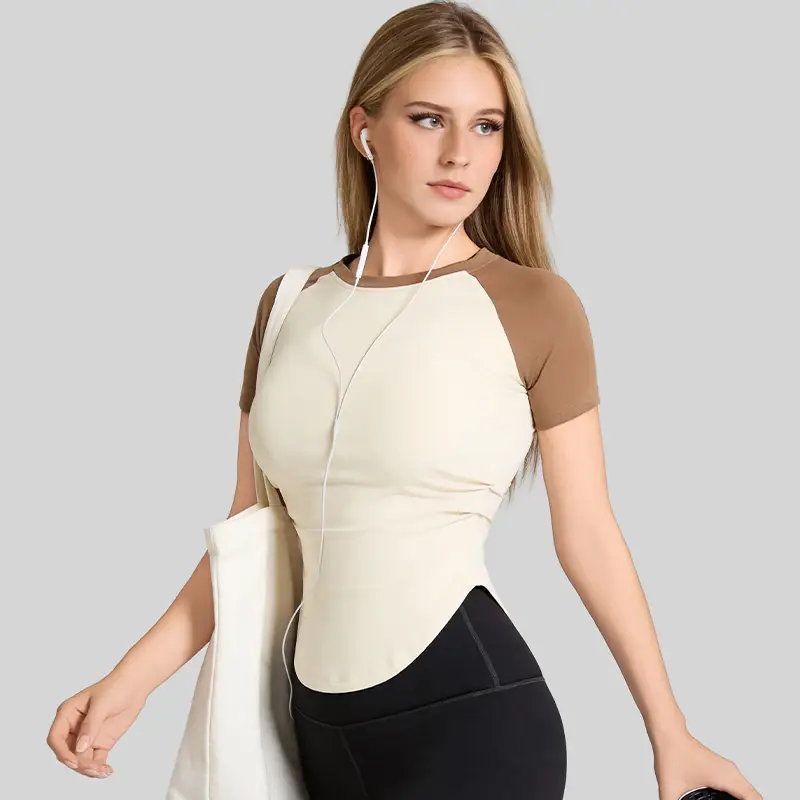
Retail demand extends beyond dedicated yoga practitioners. Consumers increasingly wear active apparel for travel, casual activities, remote work, and light fitness. Including yoga shirts short sleeve within broader product collections allows brands to reach diverse customer groups without expanding unnecessary inventory.
Balanced pattern engineering improves the wearing experience. Proper shoulder construction, comfortable sleeve openings, and carefully positioned seams help garments move naturally throughout stretching, bending, and extended periods of activity.
Neckline durability deserves equal attention. Reinforced stitching reduces deformation after repeated washing while preserving the garment’s professional retail appearance throughout its expected service life.
Well-planned sizing also supports international distribution. Consistent grading standards help wholesalers serve different regional markets while minimizing product returns related to inaccurate garment dimensions.
Custom Development Creates Greater Commercial Flexibility
Private-label buyers rarely compete through identical products. Product customization allows businesses to present distinctive collections while maintaining efficient manufacturing processes and consistent production quality.
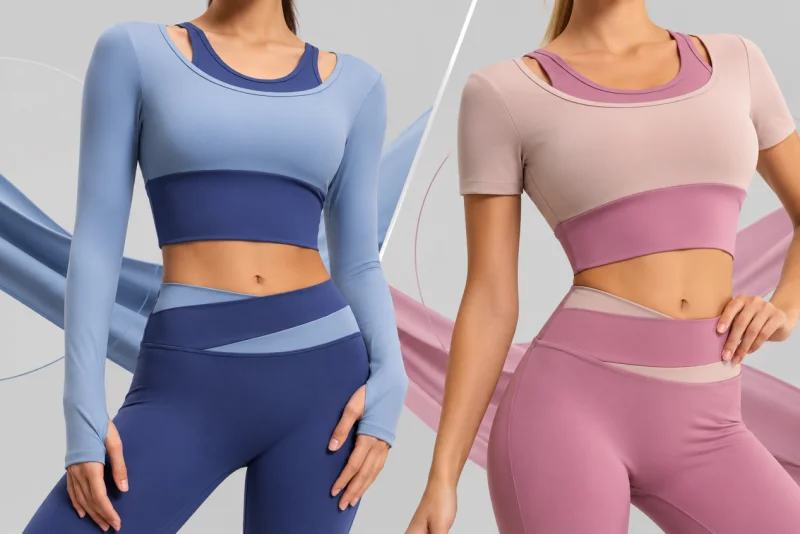
Common customization requests include custom short sleeve shirts with private labels, woven tags, custom packaging, embroidery, screen printing, heat transfer graphics, or exclusive color palettes designed for individual retail collections.
Fabric weight selection offers another opportunity for differentiation. Lighter materials may suit warm climates, while medium-weight constructions often provide greater durability for year-round commercial product ranges.
Sample approval remains an essential production stage. Reviewing fit, construction, decoration placement, stitching quality, and material performance before bulk manufacturing helps reduce costly revisions after production has already begun.
Manufacturing Consistency Reduces Purchasing Risk
Product quality depends on more than attractive garment designs. Buyers also evaluate manufacturing capacity, production scheduling, inspection procedures, and communication efficiency before establishing long-term supplier relationships.
A vertically integrated production system improves coordination between textile preparation, cutting, sewing, decoration, inspection, and packaging. Better communication across departments helps reduce unnecessary delays and production inconsistencies.
Inspection procedures should monitor every important manufacturing stage. Raw material verification, in-line quality control, finished garment inspection, and shipment review together provide stronger protection against avoidable defects.
For international buyers, dependable production schedules simplify inventory planning. Predictable delivery supports seasonal product launches while reducing uncertainty across retail and wholesale purchasing programs.
Integrated Supply Chains Improve Long-Term Cooperation
Working with one manufacturing partner across multiple production stages simplifies sourcing management. Buyers spend less time coordinating separate textile suppliers, garment factories, decoration vendors, and logistics providers.
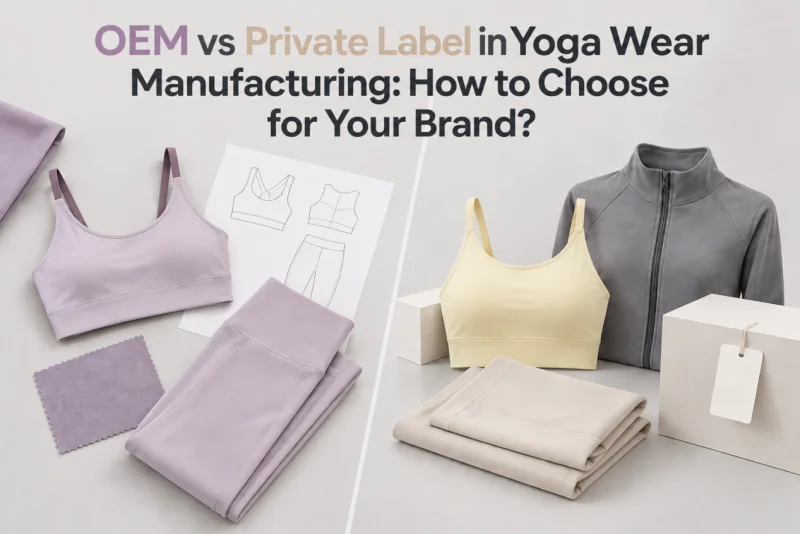
Our integrated OEM and ODM services combine textile sourcing, sample development, production management, quality inspection, and finished inventory support within one coordinated manufacturing process designed for global apparel businesses.
Product development also becomes more efficient when technical teams communicate directly throughout manufacturing. Design adjustments can be evaluated quickly without creating unnecessary interruptions between separate suppliers.
Many international customers value flexible order structures that support both customized production and ready-stock apparel. This approach allows businesses to respond more effectively to changing market demand and seasonal purchasing patterns.
Building Reliable Partnerships for Growing Apparel Brands
Long-term supplier relationships develop through consistent execution rather than individual transactions. Stable manufacturing quality encourages repeat cooperation while helping brands protect their reputation within increasingly competitive apparel markets.
Effective communication supports every production stage. Clear specification reviews, transparent scheduling updates, and responsive technical assistance reduce misunderstandings that may otherwise delay product launches.
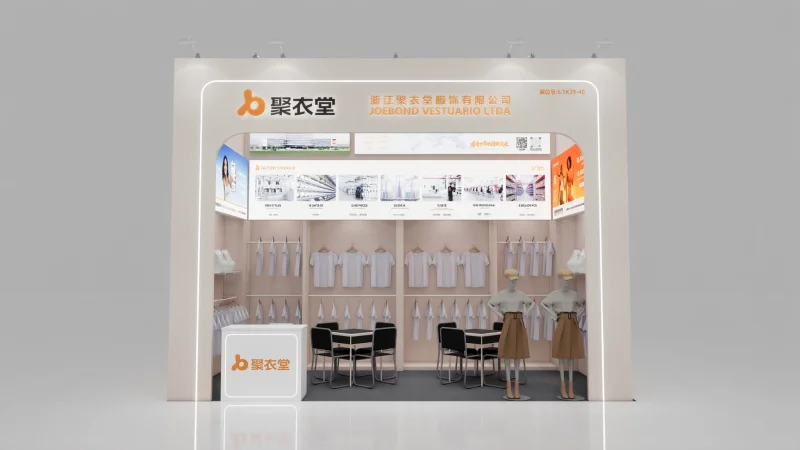
As Joebond, we operate as a vertically integrated B2B yoga apparel OEM and ODM manufacturer serving retailers, wholesalers, distributors, and private-label brands through coordinated textile sourcing, garment production, customization, inspection, and finished inventory management.
Our manufacturing experience supports customers seeking dependable production capacity while maintaining flexibility for different order quantities, seasonal collections, and evolving commercial requirements across international markets.
Reliable sourcing depends on product quality, efficient manufacturing, and dependable communication throughout every production stage. Businesses investing in yoga shirts short sleeve often seek suppliers capable of supporting long-term commercial growth rather than isolated orders. Stable cooperation creates stronger purchasing confidence for expanding apparel brands.
Consistent product development also helps retailers respond to changing consumer preferences without sacrificing manufacturing reliability. Many buyers continue expanding collections with custom short sleeve shirts because customization strengthens brand identity while supporting differentiated retail positioning across multiple sales channels.
Through Joebond, we combine integrated production resources with responsive OEM and ODM services that simplify sourcing for global apparel businesses. Long-term cooperation, stable quality, and coordinated manufacturing remain central to helping customers develop sustainable yoga apparel programs with confidence.