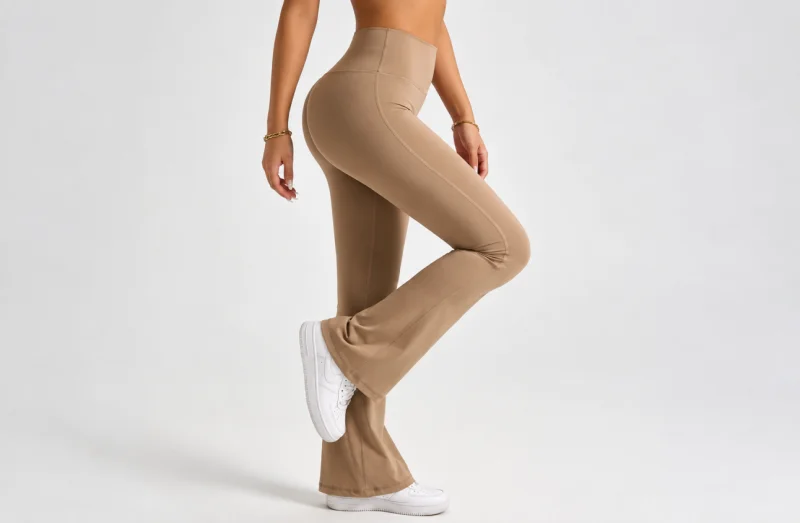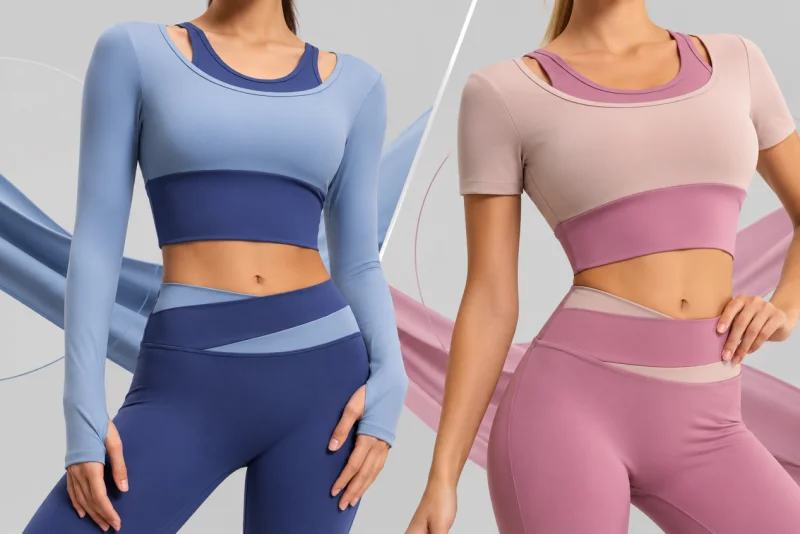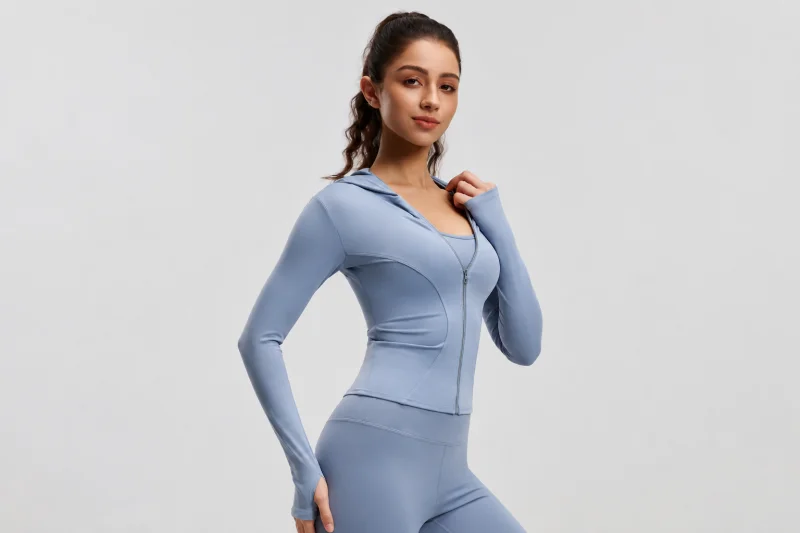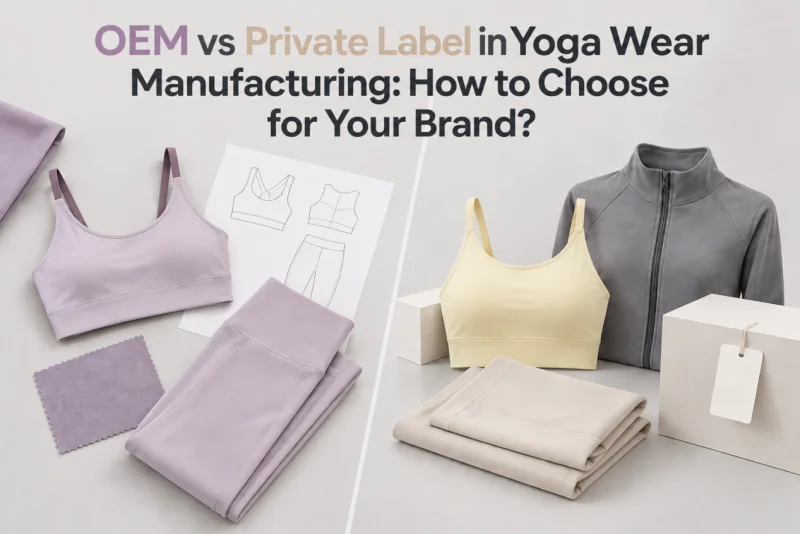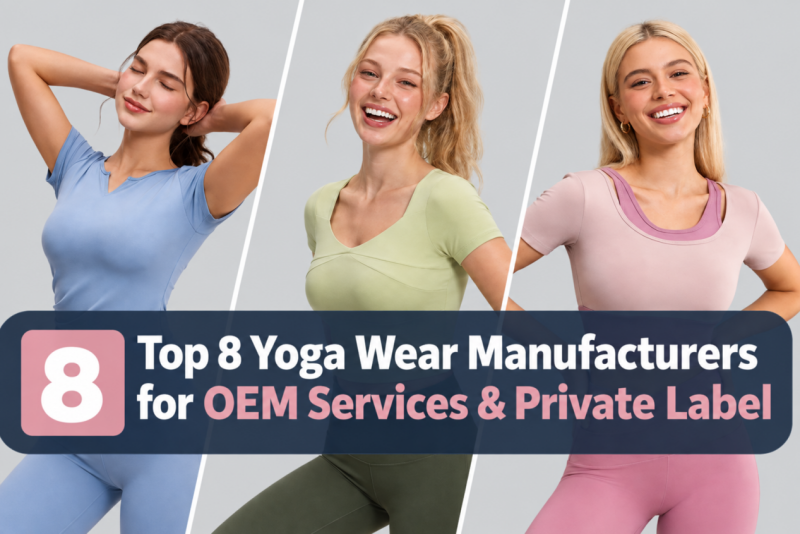
Growing demand for premium activewear has encouraged buyers to evaluate manufacturing partners more carefully before placing production orders. Product consistency, responsive communication, and stable capacity often determine long-term cooperation. Many sourcing teams also review options for custom yoga jackets while expanding collections for retailers, wholesalers, and private-label apparel programs across different international markets.

Assessing Manufacturing Capacity and Production Stability
Reliable manufacturing begins with a complete production system rather than isolated sewing capability. Buyers should examine how fabrics are sourced, how samples are developed, and how production planning supports delivery schedules across different order quantities.
Factories with integrated processes can coordinate textile preparation, pattern development, cutting, sewing, finishing, and packaging more efficiently. Fewer production handovers reduce communication gaps and help maintain consistent quality from the first sample through bulk manufacturing.
Production capacity should also remain flexible throughout seasonal demand changes. Apparel businesses frequently adjust purchasing plans according to market trends, making responsive scheduling an important consideration during supplier evaluation.
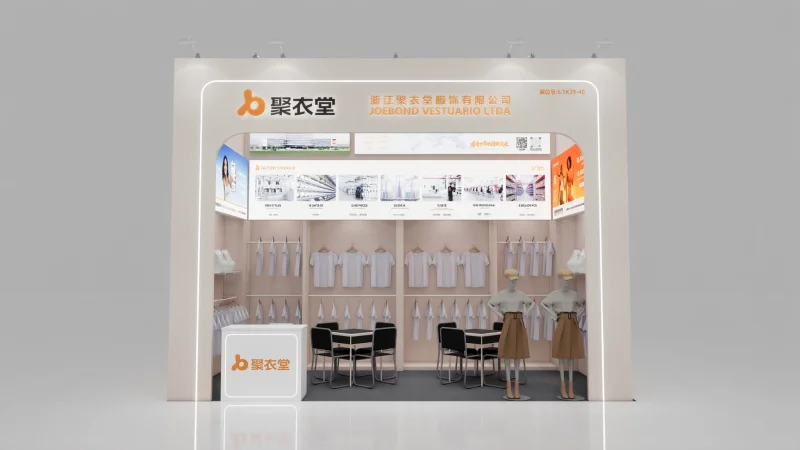
Clear workflow management creates confidence during every production stage. We coordinate raw materials, garment manufacturing, quality inspection, and finished inventory within one supply chain, allowing Joebond to support commercial buyers seeking dependable OEM and ODM cooperation.
Reviewing Material Standards and Garment Performance
Fabric quality has a direct influence on customer satisfaction and repeat purchasing. Buyers should evaluate fiber composition, elasticity, recovery performance, softness, moisture management, and color consistency before approving bulk production.
Laboratory testing provides additional confidence when reviewing textile performance. Stretch recovery, dimensional stability, colorfastness, pilling resistance, and seam durability all contribute to garments that continue performing after repeated use and laundering.
Material consistency across multiple production batches deserves equal attention. Stable sourcing helps retailers maintain similar product performance throughout different selling seasons while reducing unexpected quality variations between shipments.
Many product development meetings include detailed discussions about women’s yoga jackets because this category combines technical functionality with contemporary styling, requiring fabrics that balance comfort, appearance, and long-term durability.
Improving Product Development Through OEM Collaboration
Successful OEM projects require more than manufacturing finished garments. Effective communication during development helps buyers confirm specifications before production begins, reducing unnecessary revisions and avoiding delays during commercial launches.
Technical packages should include measurement charts, stitching requirements, logo placement, artwork files, trim details, packaging instructions, and labeling standards. Complete documentation minimizes misunderstandings between sourcing teams and manufacturing departments.
Prototype evaluation remains one of the most valuable stages before production approval. Buyers can assess garment construction, fit balance, pocket placement, zipper performance, cuff finishing, and overall appearance before confirming manufacturing quantities.
During design discussions, purchasing teams frequently refine specifications for Custom yoga jackets to ensure branding elements, construction methods, and functional features remain aligned with retail positioning and customer expectations.
Maintaining Quality Control Throughout Production
Quality management should extend across every manufacturing stage instead of focusing only on final inspection. Incoming material verification, in-line production monitoring, and finished garment audits work together to reduce defects before products enter distribution channels.
Inspection standards should include measurements, seam appearance, fabric defects, print positioning, embroidery quality, zipper operation, and accessory attachment. Consistent evaluation methods improve shipment reliability while supporting brand reputation in competitive activewear markets.
Packaging quality also contributes to operational efficiency after production. Accurate labels, barcode placement, carton strength, folding methods, and shipping documentation simplify warehouse receiving and retail inventory management across international supply chains.
As an integrated manufacturing partner, we oversee textiles, production, inspection, and finished apparel through coordinated internal processes. This approach enables Joebond to provide buyers with greater visibility while supporting stable OEM and ODM manufacturing programs.
Building Long-Term Supply Chain Partnerships
Successful sourcing relationships depend on consistent execution rather than short-term pricing advantages. Buyers often evaluate communication efficiency, production transparency, technical capability, and capacity planning before committing to long-term manufacturing cooperation.
Responsive project management helps purchasing teams react to seasonal demand, promotional schedules, and new product launches. Regular production updates also improve planning accuracy for wholesalers, retailers, and private-label brands operating in multiple regions.
Product diversification becomes more efficient when one supplier supports several apparel categories using similar quality systems. Businesses expanding beyond jackets can streamline development through standardized production procedures and coordinated sourcing resources.
Many international buyers gradually broaden their product portfolios after achieving stable results with women’s yoga jackets, creating opportunities to develop matching collections while maintaining consistent manufacturing standards across different garment categories.
Strengthening Commercial Value Beyond Manufacturing
Modern apparel sourcing extends beyond garment assembly. Buyers increasingly expect suppliers to provide development support, technical expertise, efficient communication, and dependable production planning throughout the entire purchasing process.
Early collaboration between sourcing teams and manufacturers helps identify potential production concerns before bulk orders begin. Reviewing construction methods, fabric compatibility, and finishing requirements during development can reduce unnecessary adjustments later in production.
Flexible OEM and ODM services also support businesses introducing new collections into competitive markets. Sample refinement, private-label packaging, and coordinated manufacturing schedules allow brands to launch products with greater confidence and improved operational efficiency.
As business relationships mature, transparent communication and dependable delivery become valuable competitive advantages. Through continuous process improvement and integrated production management, Joebond supports global retailers, wholesalers, and private-label apparel brands seeking reliable manufacturing partnerships.
Conclusion
Careful supplier evaluation helps OEM buyers reduce sourcing risks while supporting long-term commercial growth. Manufacturing capability, fabric quality, product development, inspection systems, and communication all influence purchasing success. Businesses reviewing custom yoga jackets should assess every stage of the supply chain before making sourcing decisions, allowing manufacturing partnerships to deliver consistent quality, reliable delivery, and sustainable value across future apparel programs.