Building a dependable supply chain starts with evaluating manufacturing partners beyond price comparisons. Product consistency, communication efficiency, and production capability all influence long-term business performance. Buyers sourcing custom sports bras should establish practical evaluation criteria before requesting quotations or approving product samples.
Define Product Requirements Before Supplier Evaluation
Every OEM project benefits from complete product documentation before supplier discussions begin. Technical packs should describe fabric composition, support level, construction details, measurement specifications, trims, labels, packaging, and branding requirements. Clear documentation reduces misunderstandings during development.
Early planning also allows manufacturers to provide realistic recommendations based on production feasibility. Small design adjustments during the quotation stage often improve manufacturing efficiency without changing the intended appearance or performance of the finished garment.
Commercial expectations deserve equal attention. Minimum order quantities, target delivery dates, replenishment schedules, and forecasted purchasing volumes help suppliers recommend production plans that align with business objectives instead of relying on assumptions.
When product expectations remain consistent from the beginning, buyers spend less time resolving revisions and more time preparing successful product launches across retail, wholesale, or private-label sales channels.
Evaluate Production Capacity for Bulk Sports Bras
Manufacturing capability involves more than the number of sewing lines. Buyers should understand how production planning, material sourcing, cutting, sewing, inspection, and packaging work together to support stable order fulfillment throughout the year.
Production flexibility becomes increasingly valuable when seasonal demand changes unexpectedly. Manufacturers with organized scheduling systems can often adjust capacity while maintaining delivery commitments without compromising overall product quality.
Equipment investment also deserves careful consideration. Modern cutting technology, specialized sewing machines, and standardized production processes contribute to greater consistency across repeated manufacturing runs, especially when products include complex construction details.
We support international buyers through integrated production management, allowing customers purchasing bulk sports bras to benefit from coordinated manufacturing rather than relying on multiple independent suppliers for different production stages.
Examine Sample Development with Greater Detail
A product sample represents the manufacturer’s technical capability as much as the final design itself. Buyers should review stitching quality, fabric recovery, support performance, strap stability, cup shaping, seam construction, and overall garment balance before approving production.
Fit evaluation should include different body shapes whenever possible. Small adjustments made during sample development improve customer satisfaction after launch while reducing the likelihood of product returns related to sizing or comfort concerns.
Material performance should receive equal attention. Stretch retention, moisture management, color consistency, softness, and durability all influence the value customers associate with premium activewear collections after repeated use.
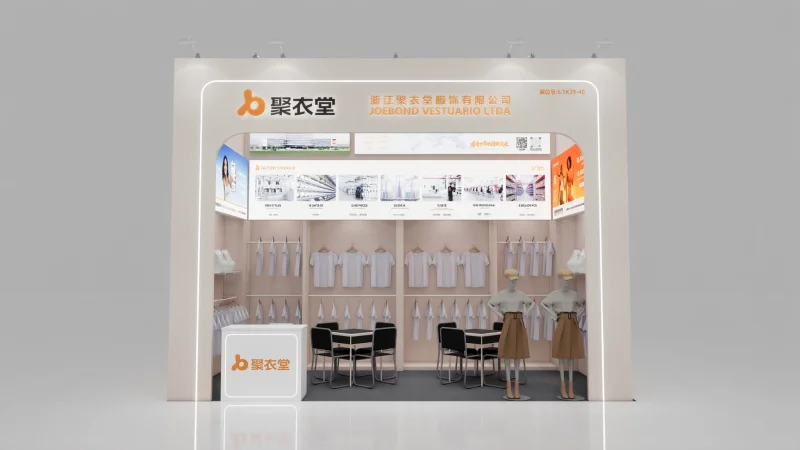
As a vertically integrated manufacturer, Joebond works closely with customers during development to refine technical details before production begins, creating a smoother transition from approved samples to commercial manufacturing.
Review Material Sourcing and Product Performance
Fabric selection directly affects comfort, durability, and product positioning. Manufacturers should explain available material options while discussing how each fabric performs under different levels of physical activity instead of recommending identical solutions for every project.
Performance features such as moisture management, four-way stretch, recovery, breathability, and opacity contribute to customer satisfaction over time. Buyers should ensure selected materials support the intended market segment and expected retail pricing.
Accessory quality also influences finished products. Elastic bands, padding, thread, labels, and trims should meet the same production standards as primary fabrics to maintain consistent quality throughout every manufacturing batch.
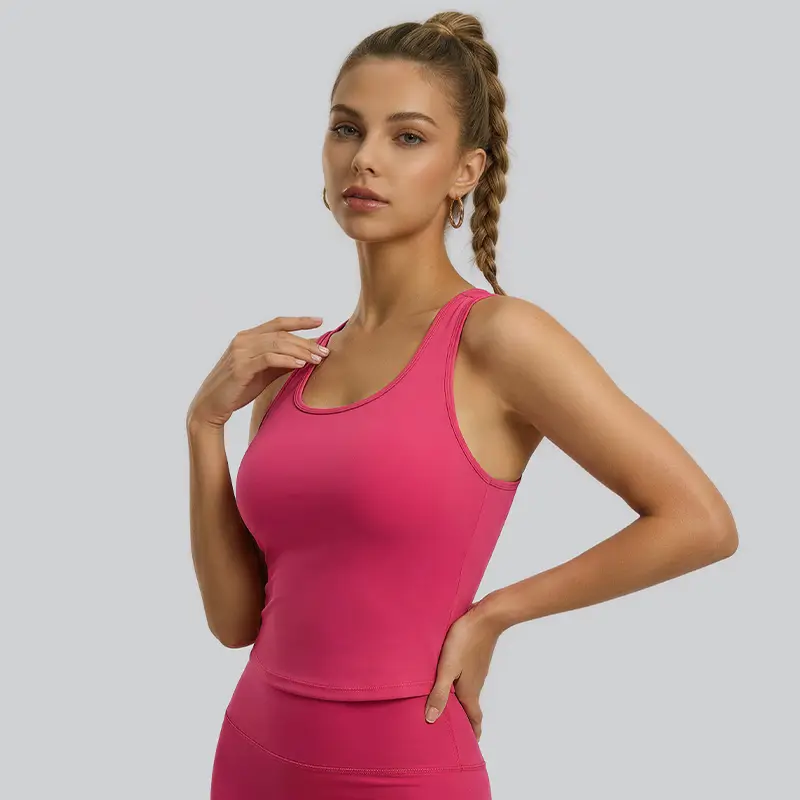
Our development teams regularly assist customers creating custom sports bras by recommending practical material combinations that balance product performance, manufacturing efficiency, and long-term commercial value.
Verify Quality Management Throughout Production
Reliable quality control extends far beyond the final inspection. Manufacturers should implement structured inspections during incoming material verification, cutting, sewing, finishing, and packaging to identify issues before production reaches completion.
Documentation strengthens production consistency. Approved specifications, measurement records, inspection reports, and sample references help maintain the same manufacturing standards across future replenishment orders and seasonal product updates.
International buyers should also discuss compliance requirements before production begins. Different markets may require specific testing, documentation, or certification depending on regional regulations and customer expectations.
Consistent quality management reduces unnecessary waste while improving delivery reliability, allowing purchasing teams to focus on business growth instead of correcting preventable manufacturing issues.
Assess Communication and Project Management
Strong communication often distinguishes dependable manufacturing partnerships from transactional supplier relationships. Buyers benefit when project managers provide timely updates regarding material preparation, sampling progress, production milestones, inspections, and shipment scheduling.
Clear communication also supports faster decision-making whenever modifications become necessary. Delays frequently occur because approvals arrive late rather than because manufacturing capability is insufficient.
Dedicated project coordination becomes especially valuable during multi-product programs. Organizing timelines across several apparel categories requires structured planning that keeps development, production, and logistics aligned with customer expectations.
Through coordinated internal operations, Joebond maintains communication across sourcing, production, inspection, and shipment preparation, helping international customers manage purchasing activities with greater confidence throughout each manufacturing cycle.
Compare Long-Term Value Instead of Initial Cost
Competitive pricing remains an important purchasing factor, yet long-term value depends on far more than individual unit costs. Stable quality, reliable scheduling, responsive service, and repeat production capability frequently produce stronger commercial returns over time.
Manufacturers supporting future collection expansion create additional operational advantages. As brands introduce complementary activewear categories, maintaining one dependable supply partner often simplifies product development and inventory management.
Supply chain stability also influences business performance during changing market conditions. Manufacturers with integrated production systems generally respond more efficiently to replenishment requests and evolving purchasing priorities than fragmented sourcing networks.
Many international retailers and distributors continue expanding orders for bulk sports bras because consistent manufacturing supports inventory planning, wholesale distribution, and private-label growth without introducing unnecessary operational complexity.
Careful supplier evaluation strengthens purchasing decisions while reducing sourcing uncertainty. Buyers comparing technical expertise, production management, material capability, communication, and quality assurance are better positioned to develop successful custom sports bras collections for competitive markets. By integrating textile sourcing, apparel manufacturing, quality control, and finished product delivery within one coordinated supply chain, Joebond supports global retailers, wholesalers, and private-label brands seeking dependable OEM and ODM partnerships while maintaining reliable supply for bulk sports bras over the long term.