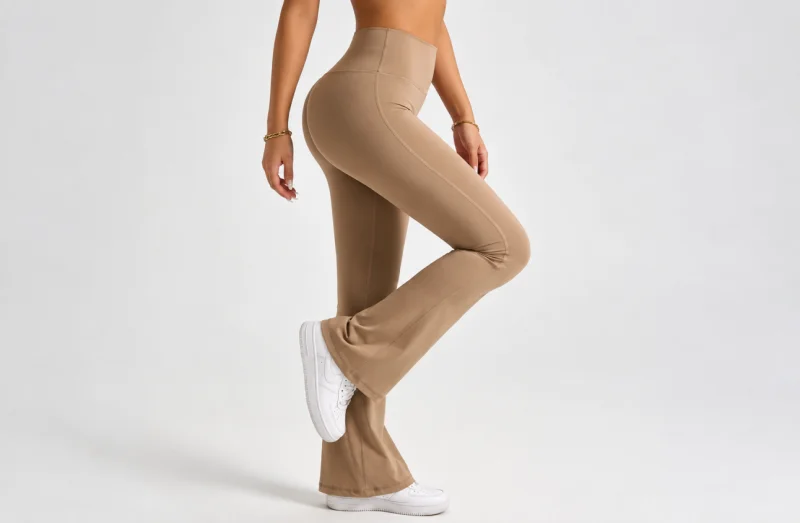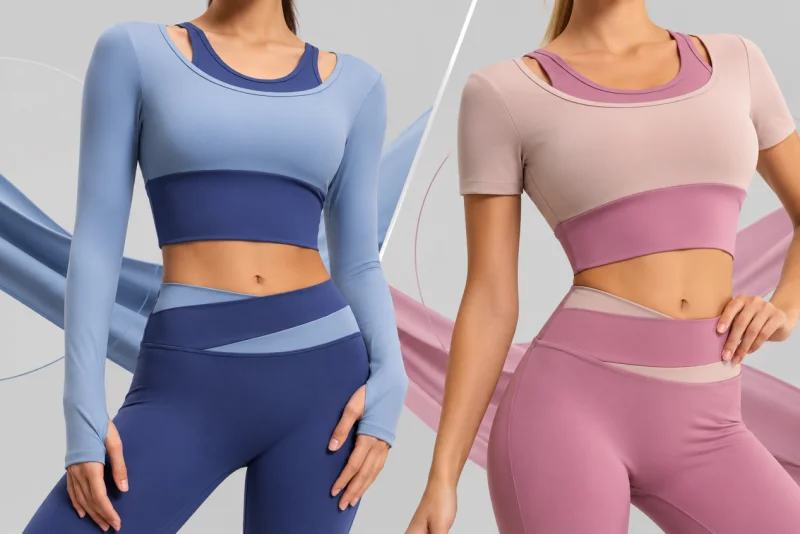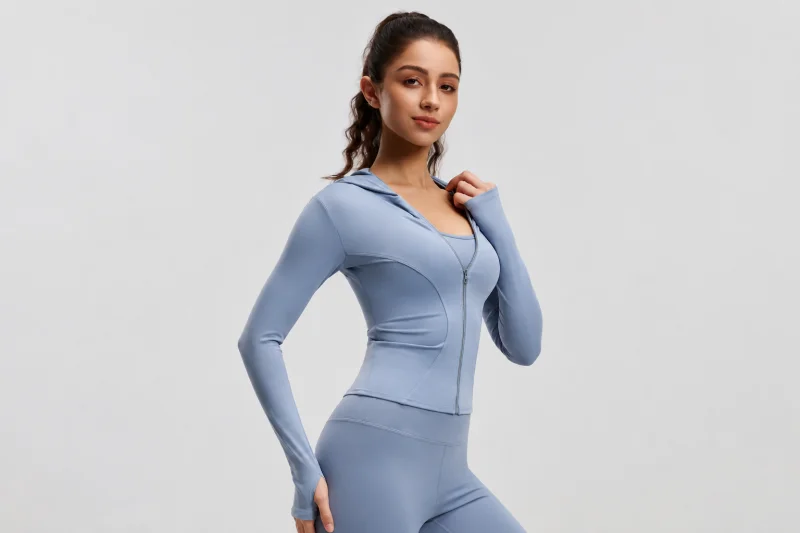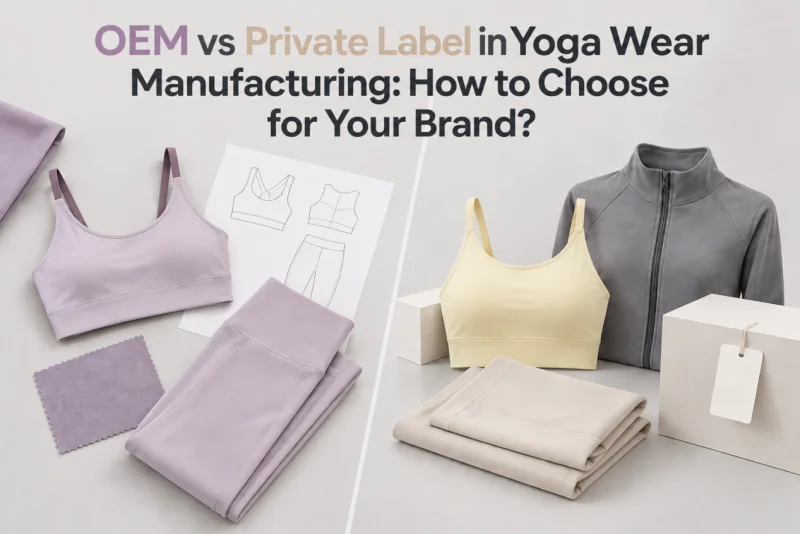
Activewear growth puts pressure on the operating details that a small launch can hide. Higher volumes and wider assortments require stable fit standards, dependable material references, defined quality checkpoints, and production timing that can absorb both planned launches and unexpected demand. We build those controls into development before scale makes them difficult to change.
A oem yoga wear manufacturer can support that transition only when design, sampling, sourcing, production, and replenishment remain connected. Our role is to carry an approved product standard through each stage while giving the brand room to adjust quantities, colors, and assortment depth as sales become clearer.
Turn Product Ideas Into Repeatable Specifications
Early growth often exposes gaps that remain hidden during a small test order. One successful sample may look convincing, but a growing program also needs documented measurements, fabric references, color standards, logo files, labels, packaging instructions, and acceptance points. We organize these items before bulk production so later orders do not depend on memory.
A brand entering yoga wear wholesale may need a core assortment that can be reordered while seasonal colors or silhouettes change around it. We separate permanent specifications from optional design variables. The stable part can include grading, construction, base fabrics, and quality tolerances, while color, surface branding, and selected details can change by season.
Sampling gives the buyer a controlled point for resolving decisions before larger quantities are cut. We use samples to review fit, stretch, workmanship, logo position, care labeling, and packaging requirements in the same sample round. When revisions are needed, the updated sample and written comments become a production reference rather than a loose collection of messages.
Growth can also require different levels of development for different SKUs. A hero legging may justify original pattern work and multiple fittings, while a supporting top may need only controlled color and branding changes. Our team allocates development effort according to the commercial role of each item instead of applying the same process to every style.
That distinction keeps a larger range manageable. It also makes costing more transparent because pattern changes, special materials, trims, labels, and packaging can be tied to specific styles rather than absorbed into an undefined customization request.
Connect Development With Supply and Delivery
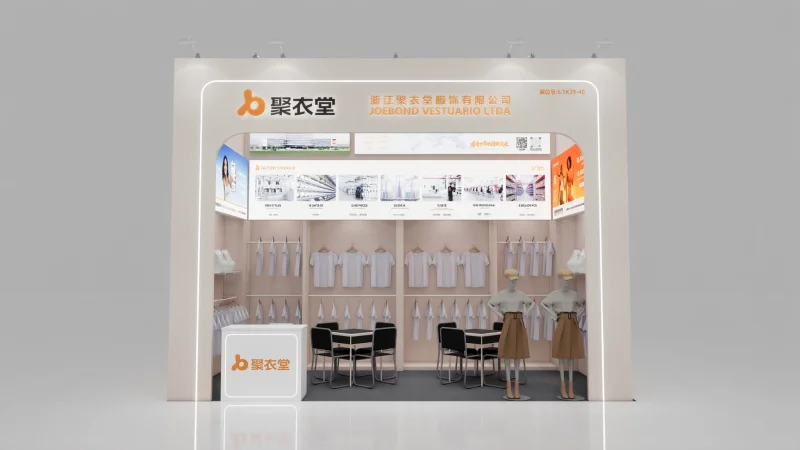
Our manufacturing model at Joebond combines product development with textile and garment production, ready-stock support, inspection, and packaging coordination. This integrated structure matters when a buyer wants both differentiated products and a shorter response path between design approval, material preparation, sewing, quality control, and shipment.
Inventory can play a different role from custom production. Ready-stock activewear gives a buyer a faster route for replenishment or market testing, while OEM and ODM programs provide greater control over fit, fabric, color, branding, and construction. We can discuss both routes within one sourcing plan instead of forcing every requirement into a single order model.
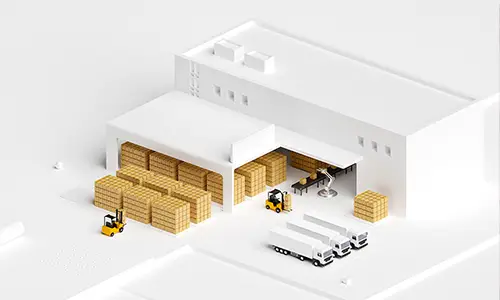
Capacity becomes relevant when a successful launch creates a larger follow-up order. Our broader operation is built for high-volume activewear production, while the customer information for the program also identifies substantial ready-stock availability. Those resources allow planning to consider both immediate supply and scheduled manufacturing rather than treating lead time as an isolated promise.
Delivery speed is most useful when it is supported by an organized approval process. We confirm materials, sample comments, artwork, size specifications, packing information, and order quantities before the production window is fixed. Clear inputs reduce the chance that a fast schedule is lost to repeated decisions after cutting or sewing has already begun.
Quality control remains active throughout that flow. Fabric review, measurements, stitching, logo verification, and final packing are checked against the accepted specification at the relevant production stages, allowing a larger run to stay aligned with the sample without depending on a final inspection to catch every issue.
Scale the Program Without Rebuilding It
Once a style proves itself, the next challenge is repetition. Reorders may change size ratios, colors, quantities, or packaging while the core fit and construction stay the same. We retain approved references so a repeat order can begin from an established baseline and focus attention on the variables that actually changed.
Regional growth can also change the commercial requirements around a oem yoga wear manufacturer program. Labels, size presentation, packaging, and assortment ratios may vary by market, so our production setup keeps those market-specific elements separate from the core garment standard wherever practical.
Expansion can be staged instead of concentrated in one oversized commitment. A measured first run can establish demand, proven items can replenish quickly, and higher volumes can follow once sales justify them, reducing the forecasting pressure placed on an early launch.
As the assortment develops, yoga wear wholesale planning can coordinate tops, bras, leggings, jackets, pants, and skirts through selected shared colors, labels, packaging, or fabric families. This creates purchasing efficiencies and visual coherence without forcing technically different garments into one construction formula.
Joebond’s operating framework gives us several supply tools for that progression – customization, sampling, production, stocked products, inspection, and delivery coordination. A growing brand can change the balance between development and replenishment over time without rebuilding its supplier process at every stage.