Reliable sourcing decisions shape product quality, delivery consistency, and commercial performance across the apparel industry. For brands expanding outerwear collections, evaluating custom sports jackets requires more than comparing prices. Buyers benefit from reviewing production capability, material control, customization flexibility, and supply chain responsiveness before placing orders.
Market Demand and Commercial Purchasing Priorities
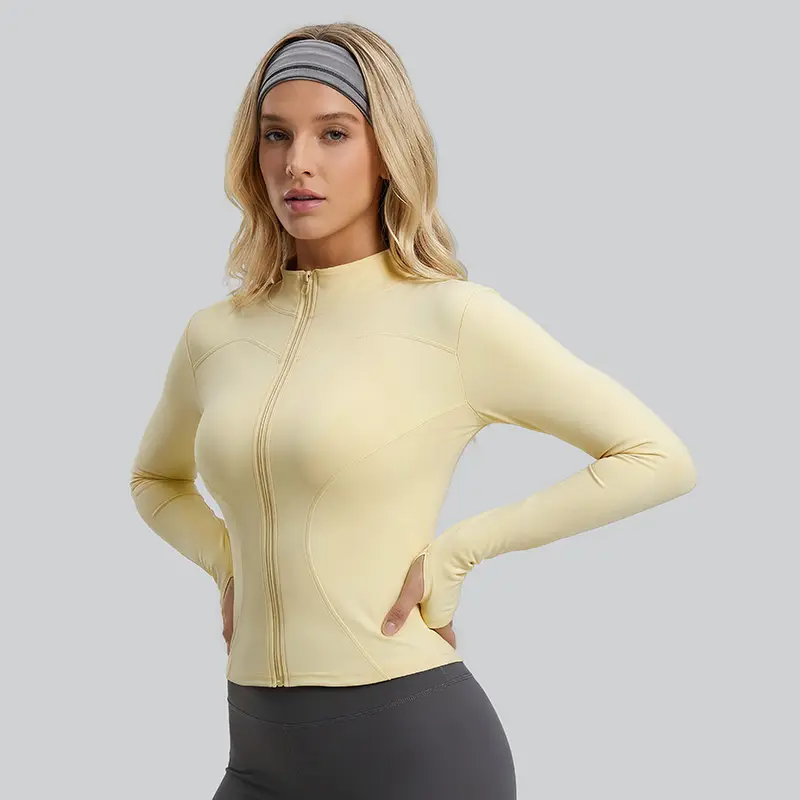
Growing participation in fitness, outdoor activities, and everyday athleisure has expanded demand for women’s sports jackets across multiple retail channels. Buyers now expect products that combine technical performance with versatile styling suitable for different climates and customer preferences.
Retailers and wholesalers also seek suppliers capable of adapting seasonal collections without disrupting inventory planning. Flexible production scheduling helps businesses respond to changing consumer demand while reducing unnecessary stock pressure throughout the sales cycle.
Product consistency becomes especially valuable for replenishment orders. Stable sizing, reliable fabric sourcing, and repeatable manufacturing processes reduce quality variation and simplify long-term purchasing management for global apparel businesses.
Commercial buyers frequently compare suppliers according to communication efficiency, manufacturing transparency, and production capacity. These operational factors often influence purchasing confidence as much as pricing or design capability.
Material Quality and Manufacturing Control
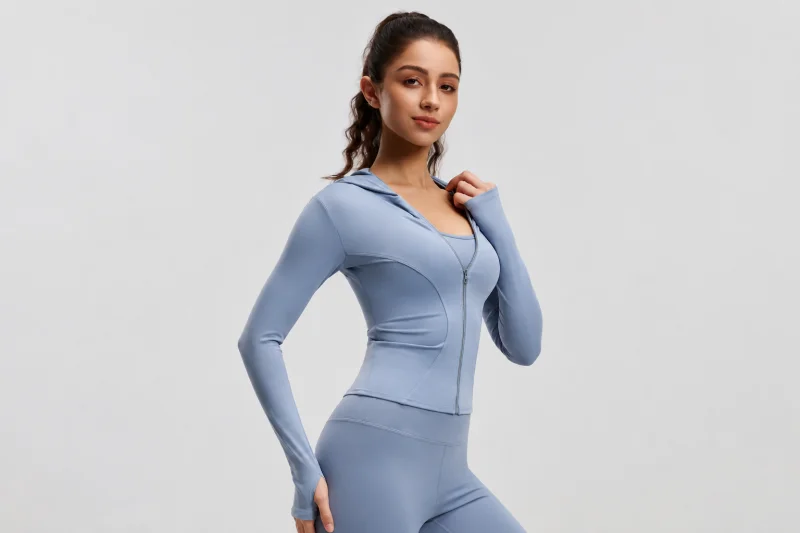
Fabric selection directly affects comfort, durability, and product lifespan. Women’s sports jackets commonly incorporate stretch materials that support unrestricted movement while maintaining shape after repeated washing and regular wear.
Performance finishes such as moisture management, breathability, and lightweight insulation can increase product value for active consumers. Material verification before production helps buyers maintain consistent product specifications across multiple purchase cycles.
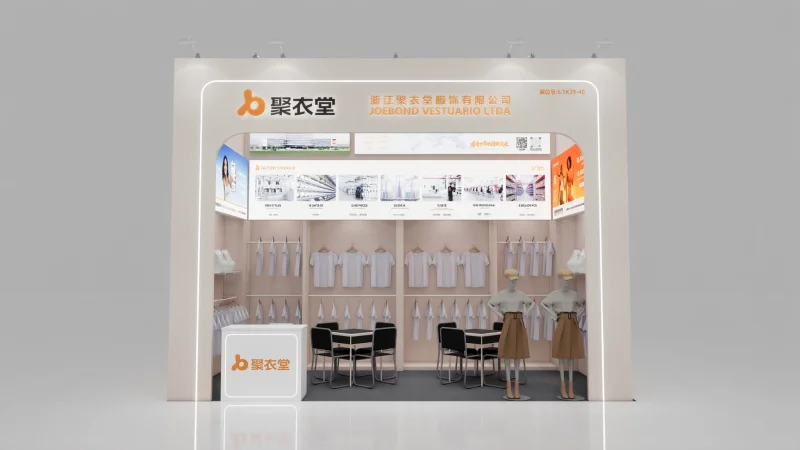
Manufacturing control extends beyond garment assembly. As a vertically integrated manufacturer, Joebond manages textile sourcing, production, and finished apparel under one coordinated system, supporting greater visibility throughout manufacturing stages.
Many buyers also evaluate custom athletic jackets based on seam construction, zipper quality, fabric recovery, and finishing consistency. Careful inspection during production reduces defects before shipments reach international distribution channels.
Customization Options That Support Brand Growth
Private-label apparel companies often require products that reflect unique brand positioning rather than standard catalog designs. Flexible customization allows businesses to introduce collections with distinct visual identity while maintaining efficient manufacturing workflows.
Customization may include fabric options, color development, logo applications, packaging, labels, trims, and size specifications. These elements create stronger brand recognition while supporting consistent presentation across multiple sales markets.
Production flexibility becomes increasingly important when brands expand into new customer segments. Many apparel businesses gradually increase order volumes after testing initial collections, making scalable manufacturing partnerships more valuable over time.
For companies planning differentiated collections, Custom Sports Jackets programs can support seasonal launches while maintaining consistent product standards throughout repeat production orders.
Evaluating OEM and ODM Supply Chain Capability
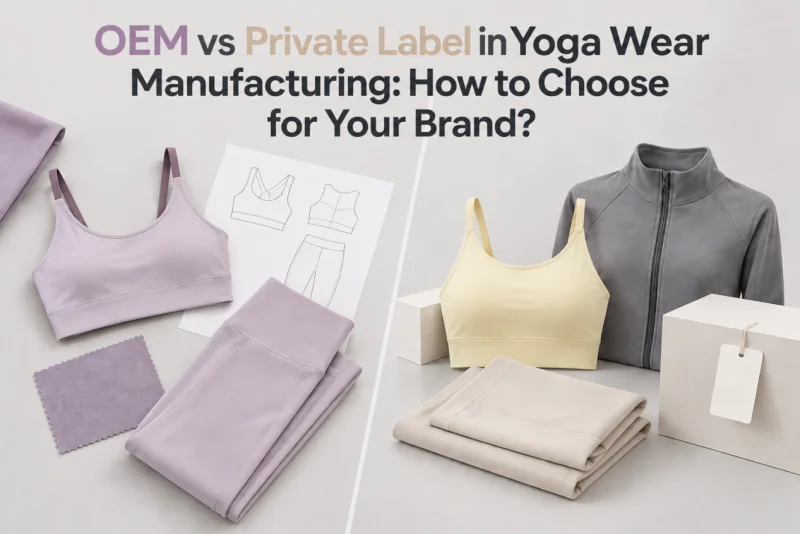
OEM and ODM manufacturing services differ according to project requirements. Some buyers provide complete technical specifications, while others require assistance with product development, sampling, and material recommendations before production begins.
Integrated supply chains simplify project coordination by reducing communication between multiple independent vendors. Centralized management also supports more predictable production scheduling and quality monitoring throughout manufacturing.
Our manufacturing approach combines textile sourcing, apparel production, and finished garment management within one coordinated process. Joebond works with retailers, wholesalers, and private-label brands seeking dependable manufacturing support for long-term business development.
Experienced sourcing teams also evaluate supplier responsiveness during sampling and quotation stages. Clear communication helps minimize misunderstandings that could otherwise delay approvals or affect production accuracy.
Managing Quality, Logistics, and Long-Term Cooperation
Quality assurance extends beyond factory inspections. Consistent documentation, standardized production procedures, and structured quality checkpoints improve shipment reliability while reducing unnecessary corrective actions after delivery.
International buyers also consider logistics planning during supplier evaluation. Efficient production scheduling, export preparation, and packaging coordination contribute to smoother cross-border transportation and more predictable inventory arrivals.
As purchasing relationships mature, suppliers gain deeper familiarity with brand specifications and recurring product requirements. This accumulated knowledge often shortens development timelines for future collections while improving manufacturing efficiency.
Long-term cooperation is strengthened when suppliers maintain stable production standards, transparent communication, and continuous process improvement. Custom athletic jackets projects often benefit from these established partnerships because repeat production depends heavily on specification consistency.
Building a Reliable Procurement Strategy
Strategic sourcing extends beyond comparing quotations. Buyers achieve stronger long-term value by evaluating manufacturing capability, technical support, customization options, and supply chain stability alongside overall project costs.
Supplier audits, sample evaluations, and production reviews provide practical insights before larger purchasing commitments. Careful assessment helps reduce operational risks while supporting predictable product quality across multiple business seasons.
Working with an integrated manufacturing partner also simplifies communication between product development, production, and shipment preparation. This coordinated structure helps businesses improve efficiency while maintaining consistent standards throughout each order cycle.
Reliable cooperation develops through transparency, realistic production planning, and continuous product refinement. Joebond supports global B2B customers by combining OEM and ODM expertise with vertically integrated manufacturing that aligns with evolving market requirements.
Consistent supplier evaluation creates stronger purchasing decisions over time. Businesses investing in custom sports jackets and dependable production partnerships can better support brand growth, while custom athletic jackets continue to provide valuable opportunities for expanding activewear portfolios through flexible manufacturing solutions.