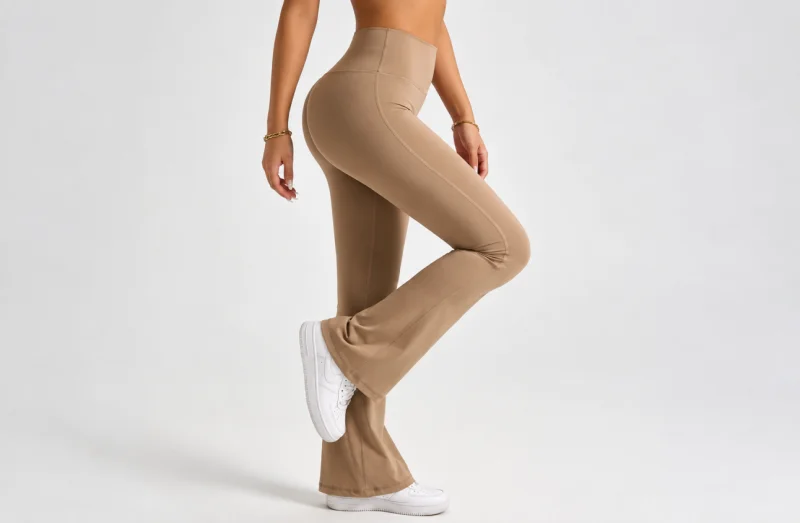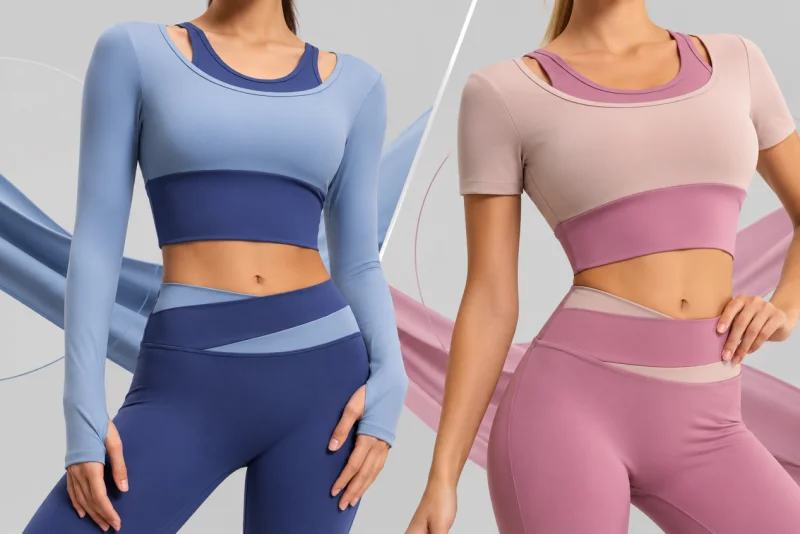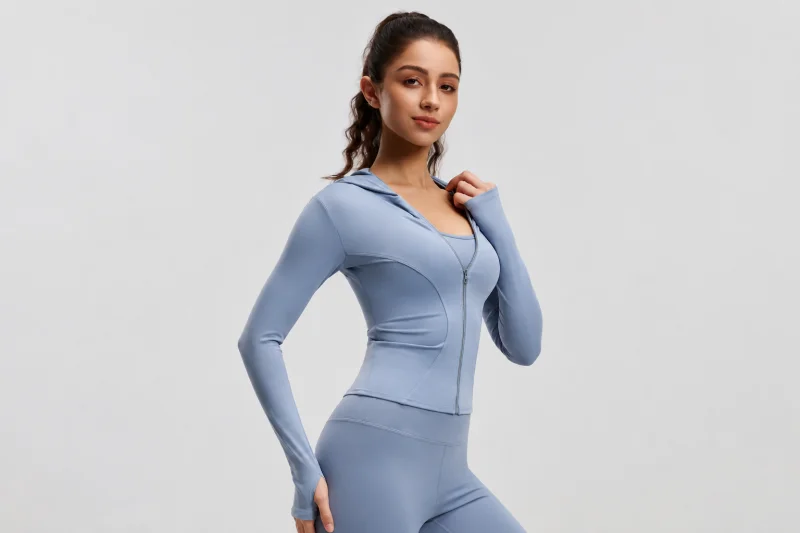
Launching a successful activewear business requires more than attractive product designs. New brands need stable sourcing, consistent quality, flexible production, and dependable communication to support long-term growth. Working with a yoga wear manufacturer that understands commercial expectations helps reduce uncertainty while supporting product development from concept through delivery.
Building a Strong Supply Chain Foundation
Many start-up brands underestimate how supply chain decisions influence future expansion. Material availability, production scheduling, and quality management all affect delivery reliability and customer satisfaction. Early sourcing decisions often shape operational efficiency for years.
Retailers and private-label businesses should evaluate supplier capabilities beyond factory capacity. Fabric sourcing, sample management, production planning, packaging, and export experience contribute to a smoother purchasing process and lower operational risks.
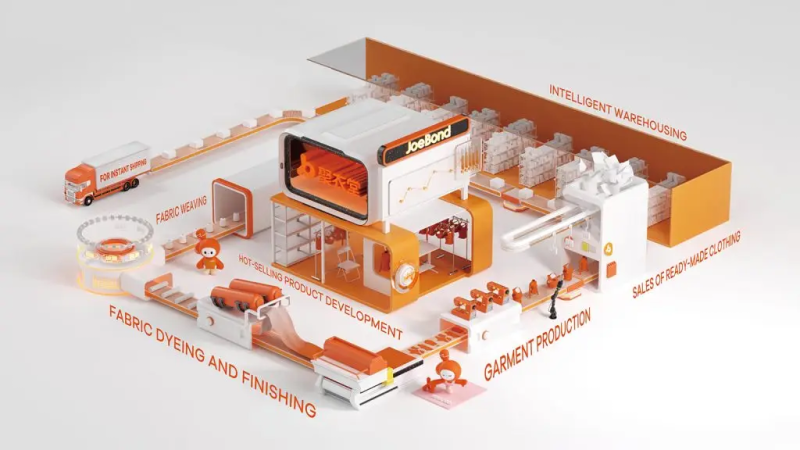
When working with global buyers, we focus on transparent production communication rather than only manufacturing output. Vertical integration provides better visibility over textile sourcing, manufacturing stages, and inventory planning, supporting more predictable purchasing cycles.
Long-term supplier relationships also improve product consistency. Stable partnerships help reduce specification changes between production runs while allowing brands to refine collections without restarting sourcing from the beginning.
Evaluating Wholesale Yoga Apparel Supply Programs
Many buyers compare pricing first, yet purchasing decisions should balance cost with product consistency, production flexibility, and after-sales support. Lower quotations may create hidden expenses through delays, quality variations, or communication gaps.
Wholesale Yoga Apparel sourcing also involves reviewing available stock programs, custom manufacturing options, packaging flexibility, and logistics coordination. These factors directly influence inventory turnover and customer satisfaction across different sales channels.
Brands selling through retail stores, online marketplaces, and distributors often require different purchasing models. Suppliers able to support multiple order structures offer greater flexibility during seasonal demand changes and business expansion.
A vertically integrated operation simplifies coordination because textile development, manufacturing, inspection, and shipping remain closely connected. This structure reduces communication layers and helps maintain consistent production standards.
Material Quality and Product Consistency
Fabric performance remains one of the strongest purchasing considerations in yoga apparel. Stretch recovery, moisture management, color stability, and softness influence customer satisfaction as much as garment appearance.
Reliable textile sourcing creates more stable manufacturing outcomes. Consistent fabric specifications reduce production differences between repeat orders while helping brands maintain recognizable product quality across multiple collections.
A professional yoga wear manufacturer should provide clear fabric specifications, sample verification, production inspections, and quality control procedures before shipment. These processes reduce uncertainty for wholesalers managing multiple retail customers.
Quality management also extends beyond sewing accuracy. Printing consistency, logo placement, packaging protection, labeling compliance, and final inspection all contribute to smoother product acceptance after delivery.
Custom Development for Private Label Growth
Private-label brands frequently begin with limited product ranges before expanding into complete collections. Gradual product development allows businesses to test market response while managing inventory investment carefully.
Custom apparel development may include exclusive colors, logo applications, private labels, packaging customization, and specialized fabric selections. These elements help brands establish recognizable market positioning without excessive complexity.
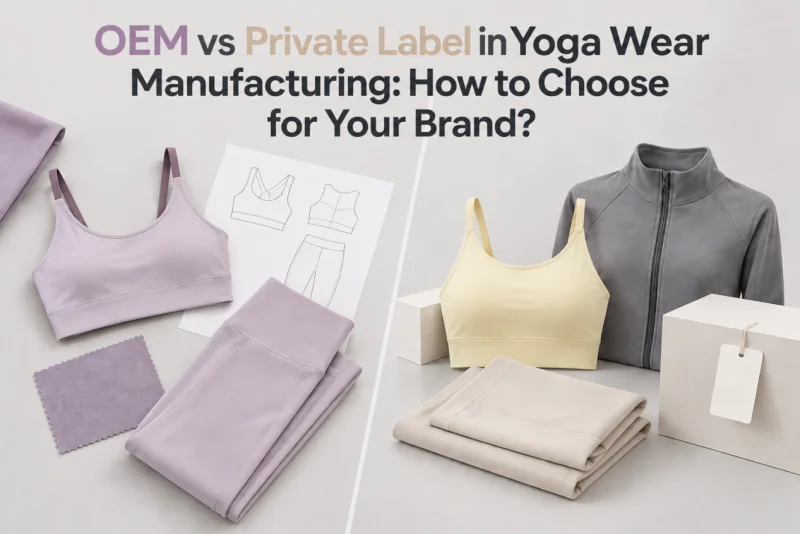
We support buyers requiring OEM and ODM manufacturing by coordinating raw materials, production planning, and finished apparel through one integrated supply chain. This approach simplifies project management while improving communication efficiency across manufacturing stages.
As production requirements increase, consistent documentation becomes increasingly valuable. Approved samples, technical specifications, and standardized quality expectations help future production remain aligned with brand requirements.
Managing Minimum Orders and Inventory Planning
Many new companies worry that manufacturing requires very large purchase quantities. In practice, suitable production planning depends on product complexity, fabric availability, and manufacturing schedules rather than a single universal quantity.
Effective wholesale yoga apparel purchasing balances inventory investment with sales forecasts. Businesses carrying excessive inventory increase financial pressure, while insufficient inventory may interrupt customer fulfillment during periods of stronger demand.
Forecast planning should consider seasonal launches, shipping timelines, warehouse capacity, and regional sales performance. Coordinating these factors before production begins supports healthier inventory management throughout the sales cycle.
Finished-stock programs can complement customized production by allowing businesses to respond quickly to immediate demand while preparing future private-label collections with longer manufacturing schedules.
Building Long-Term OEM and ODM Partnerships
Manufacturing relationships become stronger when expectations remain clear from the beginning. Product specifications, communication timelines, inspection standards, payment arrangements, and shipping responsibilities all benefit from written confirmation before production starts.
Growing brands frequently expand product categories after establishing successful yoga apparel collections. Suppliers capable of supporting wider apparel development create operational continuity as purchasing requirements become more diverse.
At Joebond, we integrate textile sourcing, manufacturing, quality management, and finished apparel supply within one coordinated production system. This structure supports retailers, wholesalers, and private-label businesses seeking dependable long-term manufacturing cooperation.
Stable manufacturing partnerships also encourage continuous product improvement. Feedback from completed orders can be incorporated into future production, helping brands refine fit, materials, packaging, and commercial presentation over time.
For buyers serving international markets, compliance documentation, export experience, and consistent communication remain valuable operational advantages. Reliable coordination reduces avoidable delays and strengthens confidence throughout repeat purchasing cycles.
A dependable yoga wear manufacturer contributes not only manufacturing capacity but also operational consistency. This combination helps buyers maintain product quality while supporting sustainable business expansion through reliable supply chain management.
As sourcing requirements become more sophisticated, businesses benefit from partners capable of adapting production plans while maintaining consistent quality expectations. Flexible manufacturing supports changing product portfolios without sacrificing operational efficiency.
Conclusion
Growing an activewear brand depends on dependable sourcing, careful planning, and manufacturing consistency rather than price alone. Evaluating wholesale yoga apparel with a long-term business perspective helps reduce operational risks while supporting sustainable expansion. At Joebond, we work closely with global retailers, wholesalers, and private-label brands to provide integrated OEM and ODM manufacturing solutions that support reliable commercial growth. Joebond continues to focus on coordinated production, transparent communication, and dependable supply chain support for evolving apparel businesses.