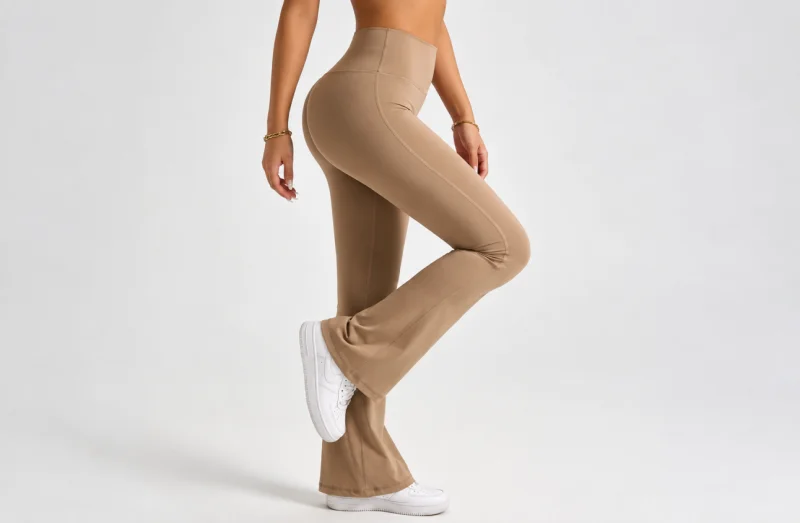
Global buyers often compare sourcing methods before placing production orders. Retail expansion, private-label development, and inventory planning all require a clear purchasing strategy. Many sourcing discussions include custom yoga pants alongside standard inventory programs because product flexibility directly affects brand positioning and long-term profitability.

Defining Wholesale and Bulk Purchasing Models
Business buyers frequently use wholesale and bulk as interchangeable terms, yet they support different purchasing objectives. Wholesale generally refers to products supplied through distributors or manufacturers for resale, while bulk emphasizes purchasing larger quantities that may or may not include resale channels.
Retailers expanding into new markets often evaluate wholesale bulk yoga pants when balancing inventory cost, product consistency, and delivery schedules. Purchase volume is only one factor, since packaging, replenishment, and assortment planning also influence sourcing decisions.
Wholesale purchasing commonly supports repeat orders with established product lines. Buyers can access proven styles that have already been accepted by the market, reducing development time while maintaining stable product availability across multiple sales seasons.
The efficiency of quantity is given a greater amount of attention in bulk purchase. When realistic sales forecasting is used to support inventory turnover, large-volume orders have the potential to simplify freight planning, improve production scheduling, and minimise unit costs.
Product Customization and Brand Differentiation
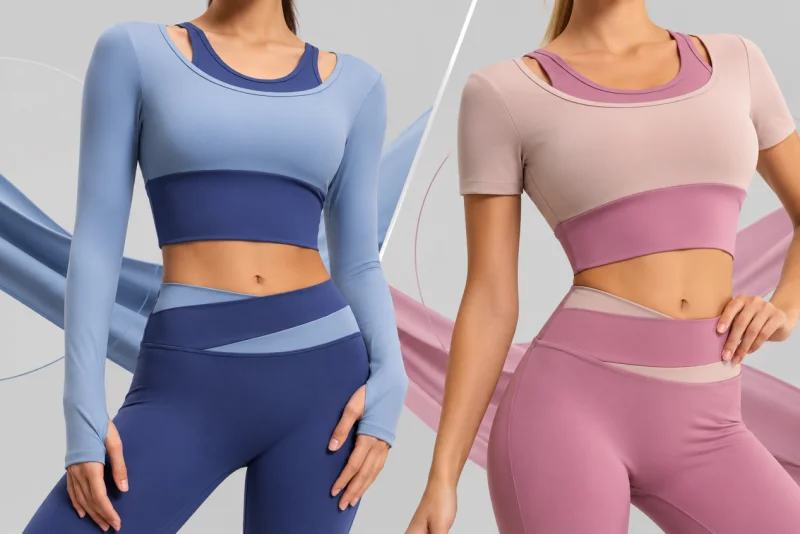
Private-label retailers often require apparel that reflects their own market identity rather than identical products sold by competitors. Material selection, waistband construction, stitching, labeling, and packaging all contribute to stronger product differentiation across retail channels.
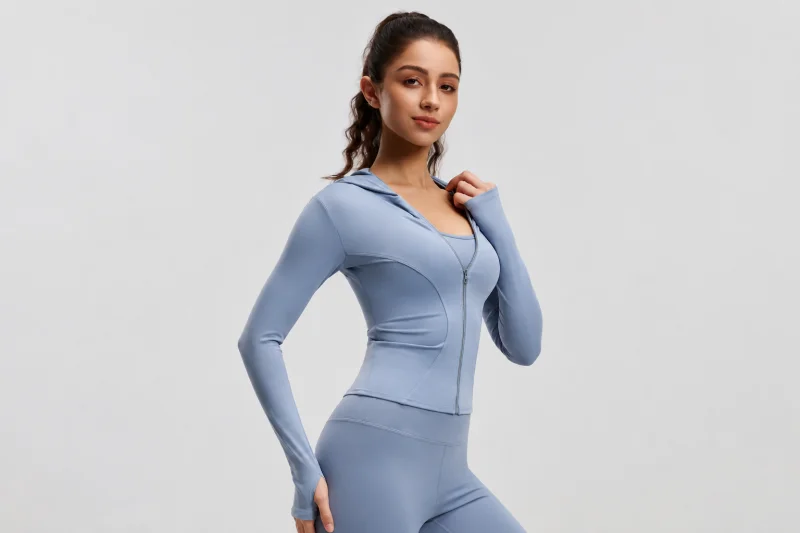
Many apparel programs include custom yoga pants to support exclusive collections without requiring buyers to establish their own manufacturing facilities. This approach allows product identity to remain consistent while manufacturing processes stay professionally managed.
Fabric performance deserves careful evaluation before production begins. Stretch recovery, moisture management, durability, opacity, and colorfastness influence customer satisfaction and reduce potential after-sales issues for retail brands serving active consumers.
As an integrated manufacturing partner, we coordinate textile sourcing, sampling, production, quality inspection, and shipment planning under one supply chain. This integrated approach helps buyers maintain communication efficiency while supporting consistent product standards throughout production.
Supply Chain Efficiency and Production Planning
Reliable production scheduling helps buyers maintain stable inventory throughout changing sales cycles. Delays in fabric preparation, accessory procurement, or quality inspection can interrupt retail replenishment and create unnecessary inventory gaps across multiple markets.
When evaluating wholesale bulk yoga pants, experienced buyers also review factory capacity, raw material availability, and production flexibility instead of comparing price alone. Consistent manufacturing performance often provides greater long-term value than isolated cost reductions.
Production planning becomes more predictable when manufacturing partners manage multiple supply chain stages internally. Better coordination between textile preparation and garment assembly reduces unnecessary waiting periods and simplifies communication during order execution.
We continuously improve workflow visibility from fabric development through finished apparel, helping customers coordinate seasonal launches with greater confidence. This operational consistency supports wholesalers, retailers, and private-label programs requiring dependable manufacturing timelines.
Evaluating Quality Control Across Order Types
Quality expectations remain equally important regardless of order size. Consistent stitching, accurate sizing, fabric inspection, and packaging verification contribute to stronger customer satisfaction while reducing unnecessary product returns after market release.
Development projects involving custom yoga pants often include approval samples before mass production begins. Early evaluation helps buyers confirm construction details, branding elements, measurements, and fabric performance before larger manufacturing commitments are finalized.
It is important that inspection methods cover more than just finished clothing. The process of reviewing incoming supplies, monitoring production stages, and executing final shipment verification all contribute to the maintenance of consistency across a variety of production batches and markets of destination.
We support quality management through coordinated inspection processes across manufacturing stages. This systematic approach assists customers seeking dependable production outcomes while maintaining flexibility for different product specifications and commercial requirements.
Building Long-Term Manufacturing Partnerships
Sourcing decisions extend beyond individual purchase orders. Stable manufacturing relationships improve communication, simplify future product development, and support better forecasting as retail businesses continue expanding into additional product categories.
Long-term cooperation also enables suppliers to understand evolving brand expectations. Better familiarity with sizing preferences, material standards, and packaging requirements reduces repeated clarification during future production cycles and helps projects move more efficiently.
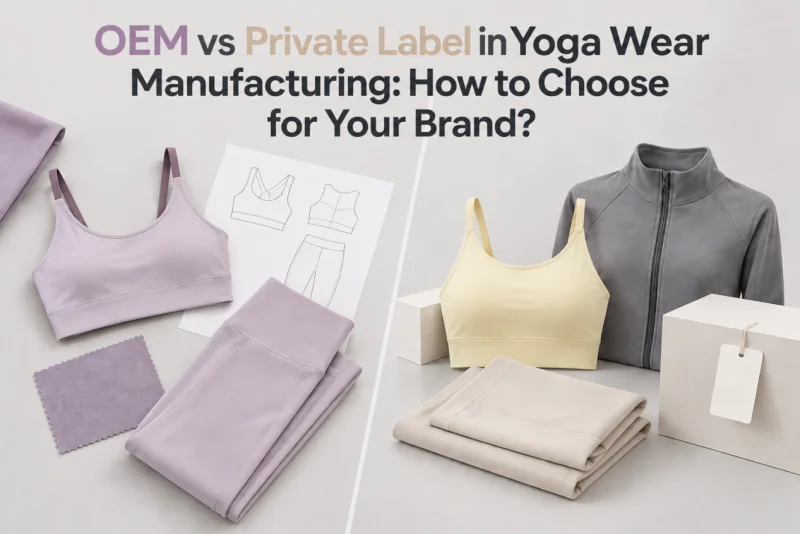
Our manufacturing model supports OEM and ODM programs covering textiles, production, and finished apparel inventory. Through vertically integrated operations, Joebond works closely with global retailers, wholesalers, and private-label businesses seeking scalable yoga apparel supply solutions.
As business requirements evolve, Joebond continues refining manufacturing coordination, production flexibility, and supply chain responsiveness. This collaborative approach helps customers adapt product strategies without sacrificing consistency or operational efficiency.
Purchasing decisions should align with business objectives rather than volume alone. Companies seeking exclusive branding may prioritize customization, while inventory-driven businesses often focus on replenishment efficiency through wholesale bulk yoga pants programs. We remain committed to supporting both sourcing paths with integrated manufacturing capabilities, allowing Joebond to serve global partners through dependable OEM and ODM apparel solutions.