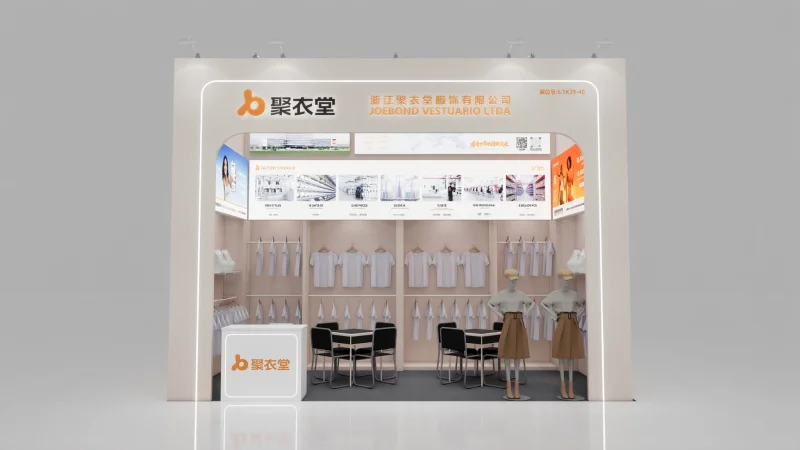
Starting a yoga clothing brand takes more than choosing attractive leggings, creating a logo, and finding a factory. Before production begins, startups need to define who they are selling to, what their first collection should include, how each garment should perform, and what type of manufacturing support they need.
A clear plan can reduce unnecessary sample revisions, control early inventory risk, and make communication with manufacturers more efficient. This guide explains how to prepare your brand, evaluate manufacturers, choose among yoga clothing suppliers, and move from an idea to production-ready custom yoga clothing.
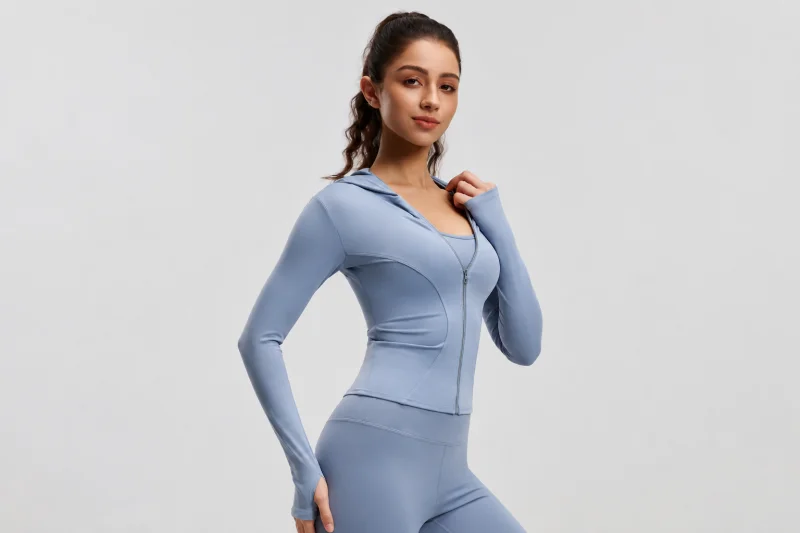
How Should You Prepare Your Yoga Clothing Brand Before Manufacturing?
Before contacting a manufacturer, define what you want to sell, who will buy it, and what makes the collection different. The clearer your product brief is, the easier it becomes for a factory to recommend suitable materials, development methods, and production options.
1. Define Your Target Customer and Brand Positioning
Start with the customer rather than the garment. A yoga collection designed for studio practice may prioritize soft hand feel, stretch, and coverage, while a training-focused collection may need different levels of support and construction.
Clarify several points before product development:
- Target customer:age range, activity, lifestyle, and buying priorities
- Use scenario:yoga, Pilates, gym training, athleisure, or mixed use
- Price positioning:entry-level, mid-market, or premium
- Brand direction:minimalist, performance-focused, fashion-led, or lifestyle-oriented
- Differentiation:fit, fabric feel, silhouette, sizing, color, or functional details
These choices guide later decisions about fabric, pattern development, branding, and production cost.
2. Keep Your First Collection Focused
A startup usually does not need a wide assortment at launch. Every additional style, color, and size creates more sampling work, inventory combinations, and production decisions.
A more manageable first collection may focus on a small number of core categories, such as leggings, sports bras, tops, shorts, or coordinated sets. It is also useful to define a limited color palette, a practical size range, and the performance expectations for each product.
The goal is to build a collection that feels complete without making the first production run unnecessarily complex.
3. Turn Your Idea Into Clear Product Requirements
Once the range is defined, convert each idea into information a manufacturer can use. A product brief or tech pack may include sketches, measurements, fabric requirements, colors, seam details, logo placement, labels, and packaging.
A complete tech pack is useful, but it is not always required at the earliest stage. JoeBond states that its pattern team can also develop products from design sketches and physical samples before moving into prototype sampling and production.
Why Work with a Professional Custom Yoga Wear Manufacturer?
A professional custom yoga wear manufacturer does more than simply execute finished designs. For a startup, the right production partner can help translate an idea into repeatable specifications, test the product before bulk production, and coordinate the technical details that affect quality.
Performance apparel involves several connected variables. Fabric, pattern, fit, construction, sizing, and branding all affect how the finished garment performs.
An experienced custom yoga clothing manufacturer can typically support stages such as:
- reviewing design requirements and product references;
- matching suitable fabrics to the intended use;
- developing patterns and size grading;
- creating and revising prototype samples;
- checking fit, construction, and branding details;
- translating the approved sample into bulk production specifications;
- coordinating inspection, packaging, and shipment.
Sampling is especially important for fitted activewear. Before approving bulk production, brands may need to check opacity during movement, waistband stability, seam comfort, stretch recovery, sizing, logo placement, and wash performance.
A practical workflow is:
Design Brief → Sample → Test → Revise → Approve → Bulk Production
For a startup with a small sourcing team, working with a manufacturer that connects these stages can also reduce the number of separate vendors that need to be coordinated.
What Should You Look for in Yoga Clothing Suppliers?
When comparing yoga clothing suppliers, look beyond the quoted unit price. The stronger question is whether the supplier can support your current launch requirements while also maintaining the approved product standard when orders become larger or more complex.
Key factors to compare include:
- Minimum order quantity (MOQ):Check whether the minimum quantity fits your launch size and inventory plan.
- Sampling process: Understand how samples are developed, revised, and approved before bulk production.
- Fabric capability:Ask what materials are available and how performance characteristics are evaluated.
- Customization: Confirm whether the supplier can support original patterns, sizing, logos, labels, and packaging.
- Quality control:Understand when inspections take place and how bulk products are checked against approved specifications.
- Production capacity:Consider whether the supplier can support repeat orders or wider collections as the brand grows.
- Supply-chain capability:A supplier that coordinates fabric, garment production, QC, packaging, or warehousing may reduce operational handoffs.
These factors help you assess whether a supplier can support both your initial launch and future growth. The right OEM yoga wear partner should not only meet your current MOQ and customization needs, but also provide a reliable process for sampling, quality control, production, and supply-chain coordination as your brand scales.
How Can JoeBond Support a Startup Custom Yoga Clothing Brand?
JoeBond supports yoga apparel brands from product development through customization and production. For startups developing custom yoga clothing, its OEM services can help connect early product ideas with a more structured manufacturing process. Key capabilities include:
- Product development and sampling:JoeBond can work from sketches, physical samples, or tech packs, then support pattern development, grading, prototype sampling, and fit confirmation before bulk production.
- Fabric and branding customization:Available options include polyester-spandex and nylon-spandex fabrics, together with fabric matching, logo application, labels, and customized packaging.
- Flexible production models:JoeBond supports OEM, ODM, and private-label projects, allowing startups to choose different levels of customization depending on their product strategy and launch stage.
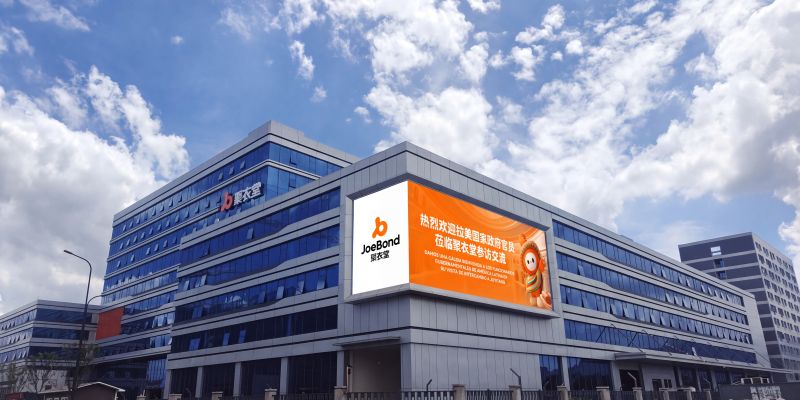
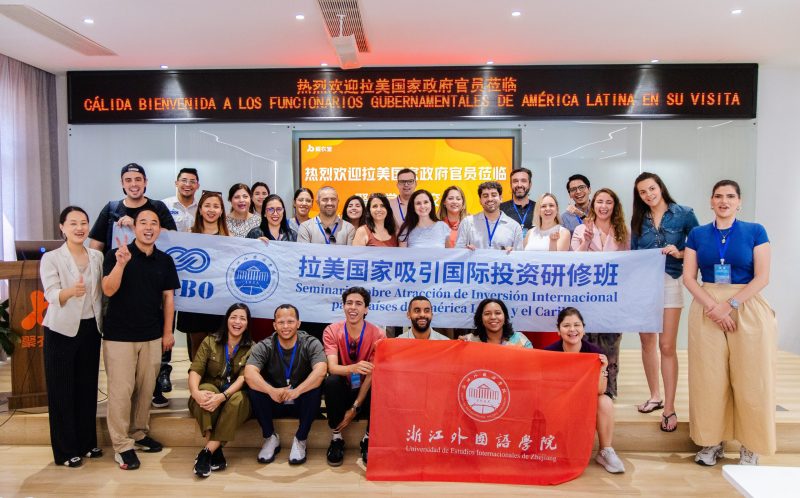
- Integrated manufacturing and supply chain:JoeBond combines textile manufacturing, garment production, quality control, and supply-chain support. In September 2026, more than 30 economic and trade officials from seven Latin American countries visited its future factory, smart warehouse, and textile production areas, where the delegation viewed its automated equipment, textile production areas, and integrated manufacturing workflow[3].
For startups comparing OEM yoga wear partners, this combination of development, customization, and production support can help keep early sampling and later-scale manufacturing within a more connected workflow.
Conclusion
Starting a yoga clothing brand becomes more manageable when product decisions are made before inventory is committed. Define your customer, keep the first collection focused, document product requirements, test samples, and compare manufacturers by development and supply-chain capability rather than price alone.
For startups looking to develop custom yoga clothing, JoeBond provides OEM development, customization, production, quality-control, and supply-chain support from early sampling through larger-scale manufacturing.
References
- JoeBond — Official Website
- JoeBond — OEM
- JoeBond— Latin American Government Officials Visit JoeBond, a Leading Yoga Apparel Manufacturer
https://www.jytyoga.com/news/latin-american-government-officials-visit-joebond/