A training jacket earns its place in a fitness collection when its proportions, function, and color work with the layers around it. Our design process begins with those assortment relationships, using intended base layers and bottoms to define length, collar, sleeve shape, zipper construction, fabric weight, stretch, and visual balance.
The brief for custom sports jackets combines garment performance with a clear assortment role. A fitted warm-up layer may need close recovery and a shaped waist, while a travel or lifestyle jacket can use more ease and drape; setting that role early keeps sample revisions focused on the customer the collection is built for.
Build the Jacket Around Layering and Movement
A program built around sports jacket wholesale benefits from a clear layering standard because the same outer piece may be worn over several tops. We establish the expected underlayer, then review chest ease, armhole comfort, shoulder movement, sleeve width, and body length so the jacket does not become restrictive when the collection is layered in use.
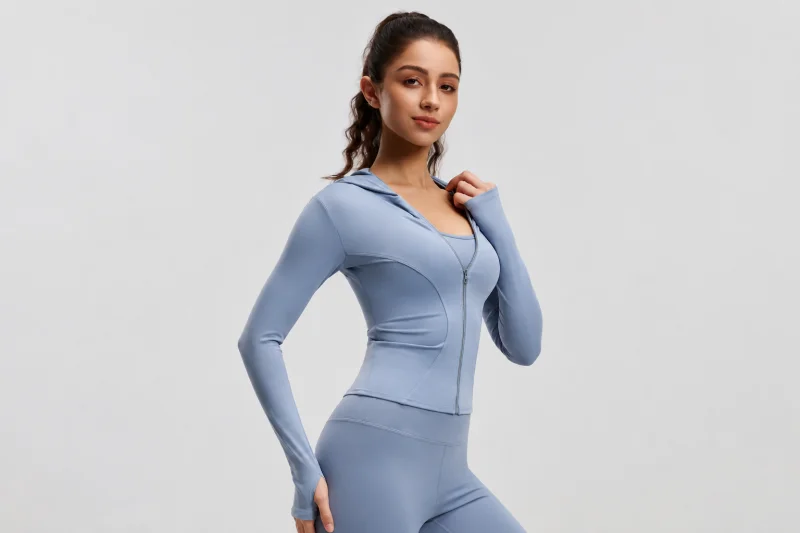
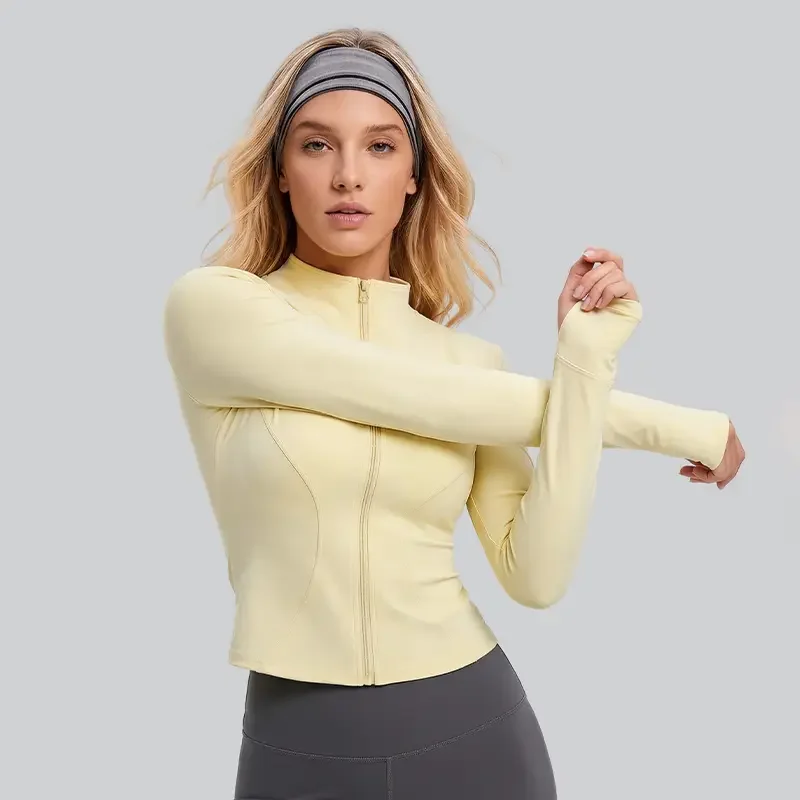
Collar and zipper construction influence both appearance and use. A stand collar can create a clean athletic line, but its height and circumference need to remain comfortable when fully closed. The zipper must lie smoothly through the curved front and operate without pulling the fabric out of shape.
Sleeve details deserve the same attention. Thumb-hole cuffs can help hold sleeves in position, yet cuff opening, thumb placement, sleeve length, and fabric recovery must remain compatible. We test reaching, bending, and arm rotation to identify tension that may not be visible in a static sample.
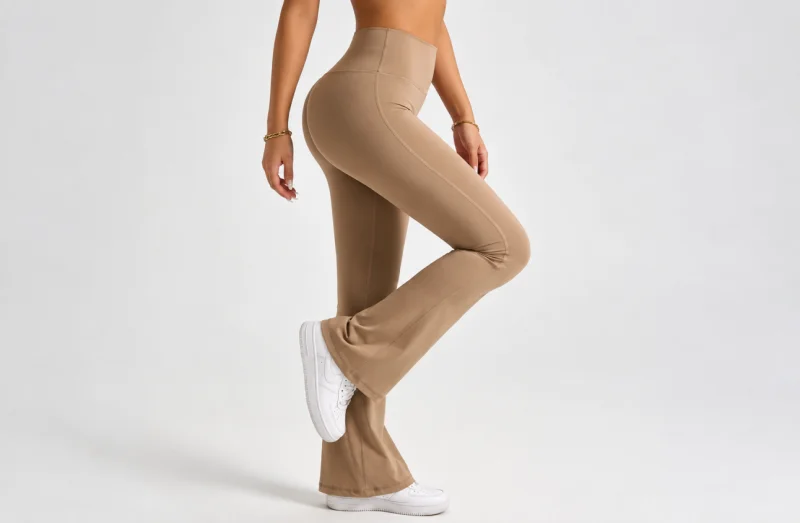
Body length should be coordinated with the intended bottoms. A cropped or waist-length jacket can pair closely with high-rise leggings or skirts, while a longer style creates different proportions and coverage. We use the collection plan to set the length rather than copying a measurement from an unrelated reference garment.
Layering tests are useful at this stage because a jacket that fits correctly over a sports bra may feel too tight over a long-sleeve top. We check the most demanding intended combination so the final ease standard reflects how the collection will actually be worn.
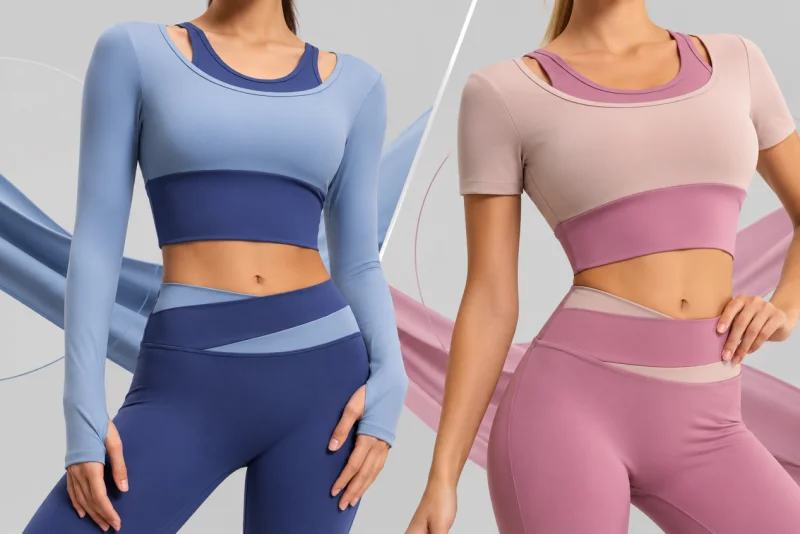
Color blocking, seam lines, and shaping panels can link the jacket visually with the rest of the assortment. Those elements are mapped onto the pattern early so grading and logo placement can follow the same design logic in every size.
Choose Materials and Custom Details That Can Be Repeated
One useful construction reference is the MTWT01, where a fitted waist and elastic body fabric are paired with a standing collar and front zip; the sleeves extend into thumb-hole cuffs for active layering. We can use a reference like this to discuss which features suit the brief without making the final design dependent on one existing style.
In our Joebond development process, color, regional sizing, garment length, collar height, and logo treatment can be adjusted around the approved jacket concept. We translate those choices into measurable sample comments so customization reaches production as a specification rather than a collection of informal preferences.
The final fabric requires enough stretch and recovery for the chosen silhouette while also meeting breathability, moisture-handling, surface-durability, and hand-feel targets. Our testing uses the actual fabric with zipper seams, cuffs, and branding so component interactions are visible before bulk approval.
Branding can be added through printing, embroidery, labels, hangtags, and packaging, depending on the program. We position visible marks where they support the collection identity without interfering with high-stretch seams or areas that experience repeated friction.
Hardware and trims also need continuity across volume. Zipper tape, puller shape, thread, and cuff finishing can change the visual character of a jacket, so we approve these components with the sample and record the selected references before the production order is released.
Sample approval consolidates these decisions. Fit, collar shape, zipper operation, sleeve function, logo scale, color, stitching, and overall workmanship are reviewed on the same garment before bulk cutting begins.
Coordinate the Jacket With Collection Production
Once custom sports jackets are approved, production planning needs to align them with the other items scheduled for the collection. Shared colors, labels, packaging, and shipment dates can create dependencies, so we identify those links early rather than discovering at the packing stage that one component is holding back the complete launch.
A second sports jacket wholesale order can move more efficiently when the approved pattern, fabric, grading, artwork, and packing specification are retained. Reorders may alter quantities or colors, but the technical baseline gives the buyer and our production team a clear reference for what is not supposed to change.
Quality checks cover measurements, stitching, zipper installation, fabric appearance, logo placement, and final packing. We use these checkpoints through the run so a small production drift can be addressed before it becomes a collection-wide consistency problem.
Packing coordination matters when jackets are part of matched sets. We confirm size labels, folding, polybags, hangtags, and carton information against the collection plan so a technically finished jacket does not delay a shipment because retail presentation was left unresolved.
Joebond also gives us access to wider manufacturing capacity and ready-stock support across activewear categories. When a buyer needs developed jackets alongside faster supporting pieces, we can plan both routes against the same collection calendar instead of asking every SKU to follow an identical lead time.
A successful training jacket reflects coordinated choices rather than isolated features. Movement, layering, materials, fit, branding, and production timing are resolved in relation to the assortment, giving the buyer a jacket that supports the collection commercially as well as visually.