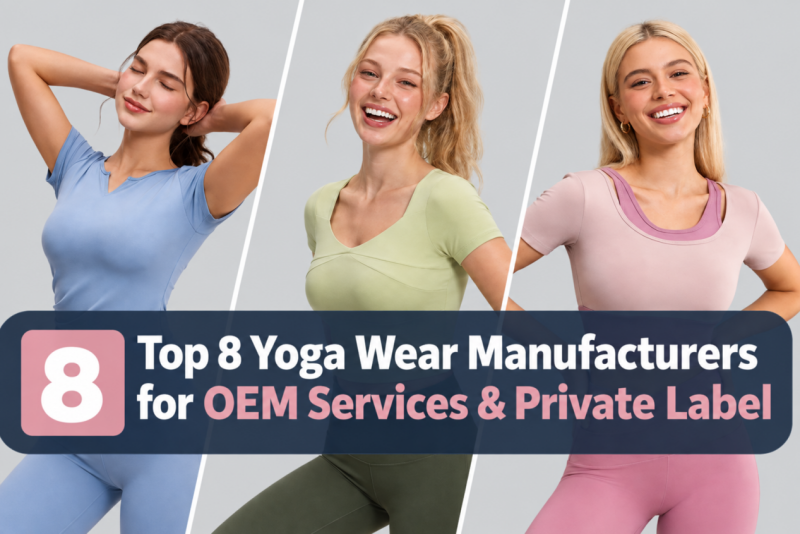
Retailers, wholesalers, and private-label brands often compare custom short sleeve shirts with ready-made workout collections before planning seasonal purchasing. Both models offer commercial advantages, but the right option depends on inventory strategy, branding goals, lead times, and target customer expectations. A balanced evaluation helps buyers reduce risk while supporting long-term business growth.
Market Demand and Product Positioning
Activewear demand continues to diversify across studios, gyms, wellness retailers, and online stores. Buyers increasingly seek products that match regional preferences while maintaining stable quality and supply continuity.
Ready-made collections allow businesses to respond quickly to changing demand. Existing inventory reduces development cycles and supports immediate replenishment during promotional periods or unexpected sales growth.
Private-label programs create stronger brand identity. Customized fabrics, trims, colors, and packaging help businesses stand apart instead of relying on identical products widely available across different markets.
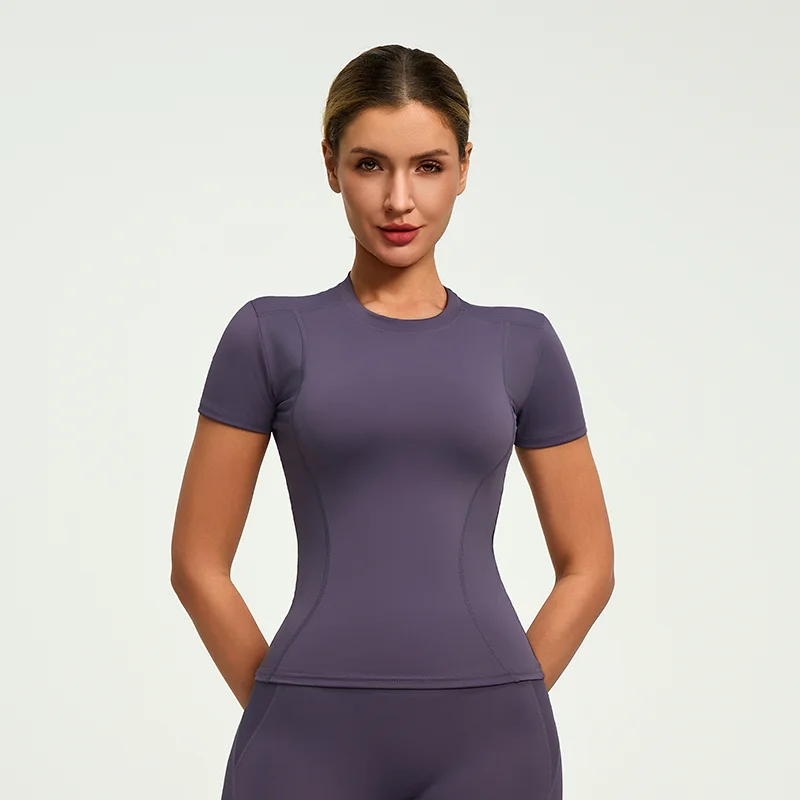
When evaluating Custom Short Sleeve Shirts, buyers should balance branding flexibility with production planning. Custom development generally requires additional sampling, approval, and scheduling, yet it provides greater control over finished products.
Cost Structure and Inventory Planning
Unit pricing alone rarely reflects total purchasing cost. Buyers should also evaluate warehousing expenses, shipping frequency, inventory turnover, and potential markdown risks before making sourcing decisions.
Ready-made inventory supports smaller order quantities and faster replenishment. This approach suits companies testing new markets or introducing fresh product categories without committing to extensive production runs.
Brands focused on exclusive collections often invest in custom manufacturing because differentiated products can strengthen customer recognition and improve repeat purchasing across multiple selling seasons.
Clear communication between suppliers and buyers reduces unnecessary revisions. Material specifications, sizing standards, labeling requirements, and packaging details should all be confirmed before production begins.
How Custom Short Sleeve Shirts Support Brand Growth
Many apparel brands expand by offering products unavailable through general wholesale channels. Customized garments reinforce visual consistency across collections and improve perceived product value.
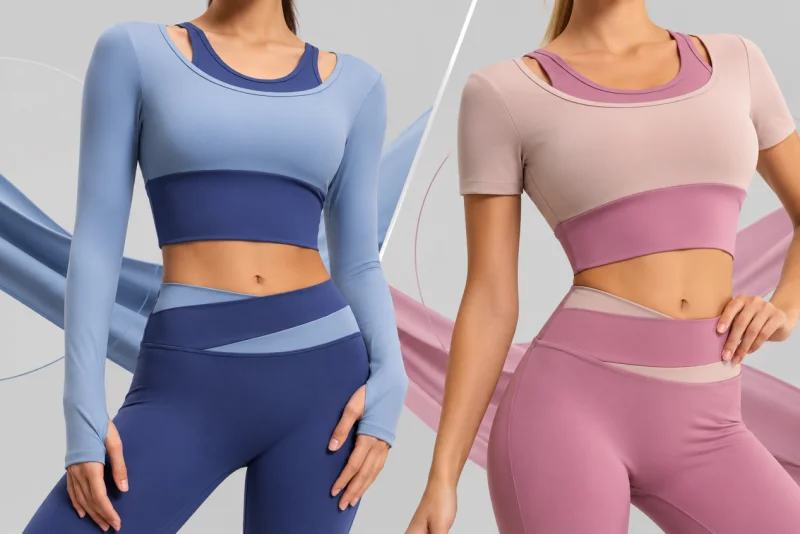
custom short sleeve shirts provide opportunities to develop signature silhouettes, fabric blends, color palettes, and logo applications that reflect unique brand positioning rather than standard catalog options.
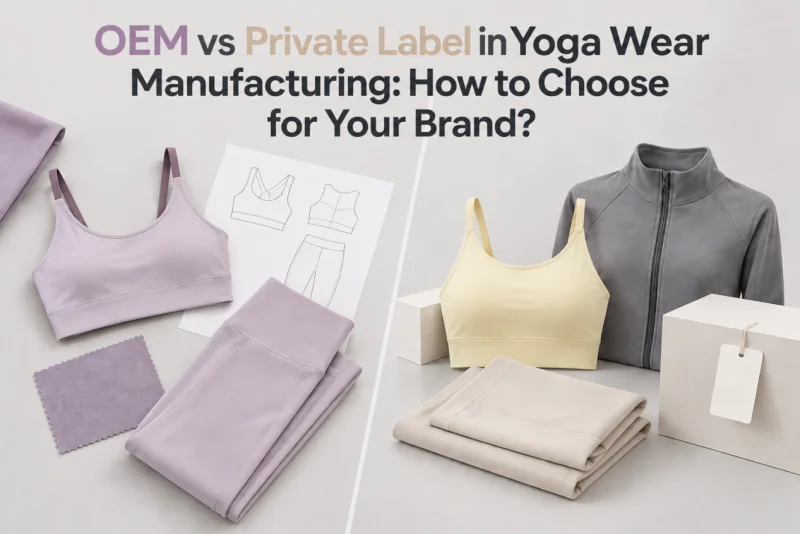
OEM and ODM programs also simplify coordinated collection planning. Matching tops, leggings, jackets, and accessories create stronger merchandising opportunities for retail stores and wholesale distributors.
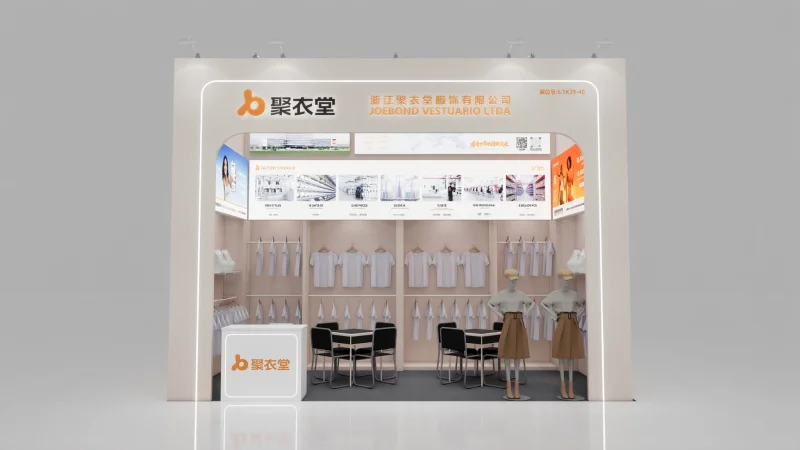
We support product development, including women’s short sleeve yoga tops, from textile sourcing through finished garment production, helping buyers maintain consistency while simplifying communication across multiple manufacturing stages. Joebond operates as a vertically integrated supply chain partner serving global B2B customers.
Quality Standards Across Manufacturing
Fabric performance directly influences customer satisfaction. Stretch recovery, moisture management, softness, durability, and colorfastness all contribute to repeat purchases and lower product return rates.
Reliable manufacturing requires consistent inspection throughout production instead of relying only on final shipment reviews. Early quality checks reduce waste and help maintain delivery schedules.
International buyers also value standardized sizing, stable stitching quality, accurate printing, and dependable packaging because these factors simplify retail operations after products arrive at distribution centers.
Working with experienced manufacturing teams allows product specifications to remain consistent between repeat orders. Joebond supports coordinated management across raw materials, production, and finished apparel, helping buyers improve supply stability.
Evaluating Women’s Short Sleeve Yoga Tops for Retail Success
Consumer expectations vary between performance training and everyday wellness apparel. Comfort, movement, appearance, and durability all influence purchasing decisions within competitive activewear markets.
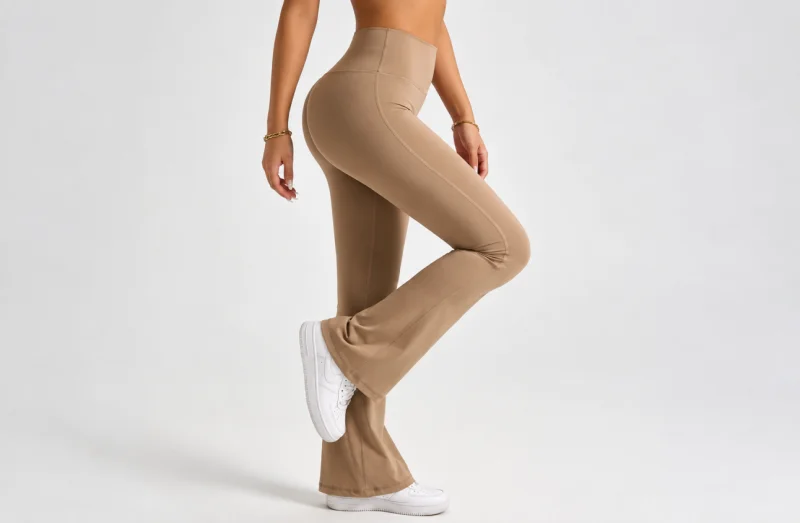
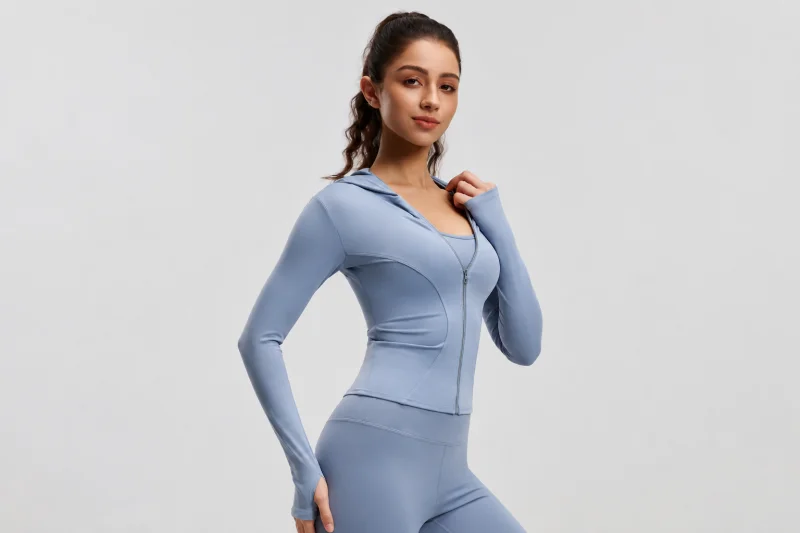
Retailers often include women’s short sleeve yoga tops alongside leggings and lightweight jackets to build coordinated collections that encourage higher average order values.
Color planning deserves careful attention. Neutral tones provide long-term commercial stability, while seasonal accent colors help stores refresh displays without replacing complete product assortments.
Fit consistency remains essential for customer confidence. Accurate grading, reliable measurements, and repeatable production standards reduce exchanges while supporting stronger online sales performance.
Supply Chain Flexibility and Long-Term Partnerships
Seasonal demand, shipping schedules, and regional purchasing habits often generate changes in business conditions. It is possible for purchasers to respond more efficiently using flexible manufacturing arrangements, without compromising the consistency of the product.
For quick replenishment, ready-stock plans are an effective method, while custom development is beneficial for the planning of future collections. With the goal of striking a balance between speed and differentiation, many businesses have effectively combined both sourcing approaches.
It is important for buyers to analyse the capabilities of suppliers beyond clothing consumption. Within the context of foreign markets, operational efficiency is impacted by a variety of factors, including material sourcing, sampling, inventory management, packaging, and logistical coordination.
We believe transparent communication, realistic production scheduling, and continuous product improvement create stronger commercial relationships. Joebond works with retailers, wholesalers, and private-label brands seeking dependable OEM and ODM apparel manufacturing support.
For sourcing strategy comparisons, companies should consider branding, inventory flexibility, product distinction, and operational efficiency. Whether adding custom short sleeve shirts or women’s yoga tops to collections, strategic planning improves long-term purchase decisions. A balanced sourcing plan that enables sustainable commercial growth generally combines ready-made inventory with customized development.