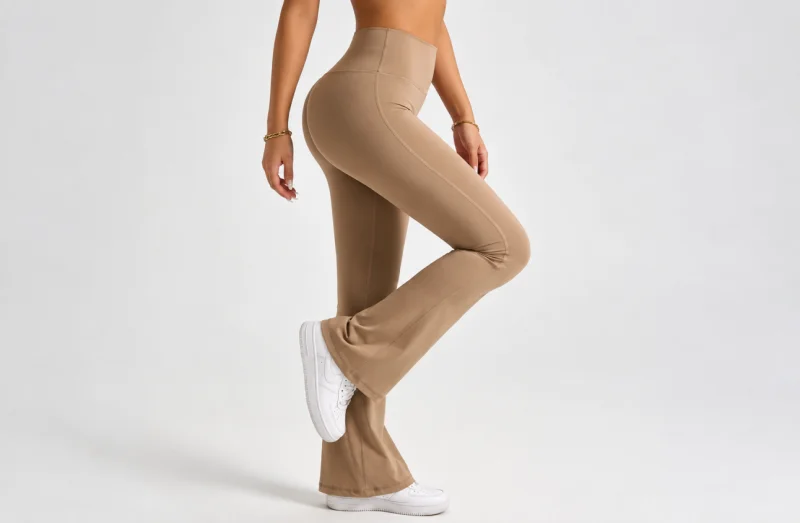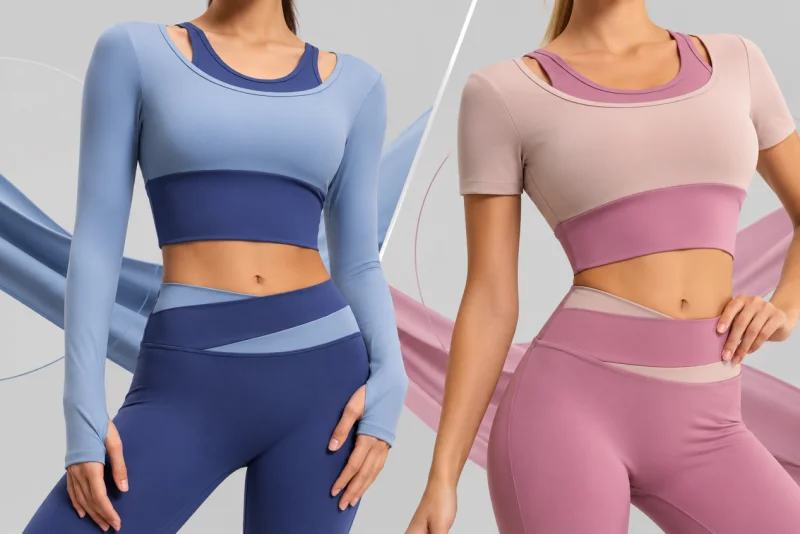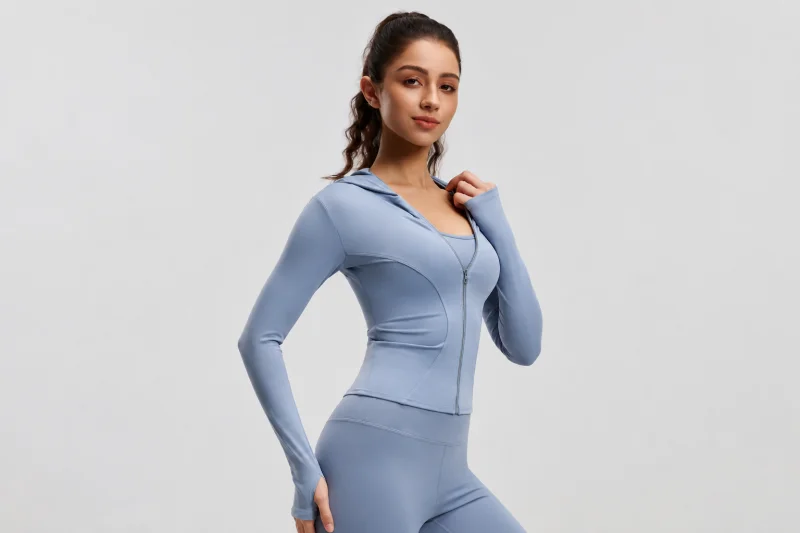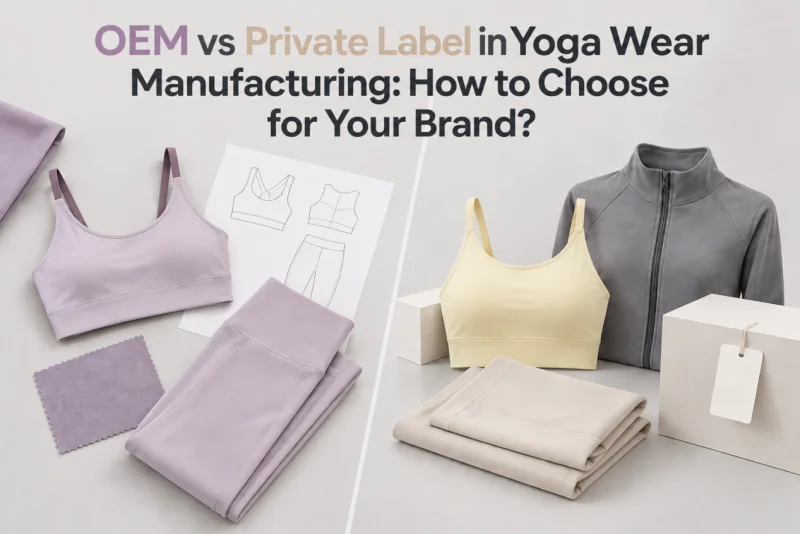
Sourcing custom sports bras requires more than comparing prices or reviewing catalogs. Buyers must evaluate production capability, quality consistency, material sourcing, and delivery performance before committing to large orders. For retailers, wholesalers, and private-label brands, careful supplier assessment helps identify potential risks and supports more stable business operations.

Evaluating Manufacturing Capability
Production capacity directly affects delivery schedules and inventory planning. Manufacturers should demonstrate organized production management, stable labor resources, and the ability to handle repeat orders without quality fluctuations. Buyers should request clear information about factory workflows, inspection procedures, and production timelines before confirming cooperation.
A vertically integrated supply chain offers stronger control over raw materials, fabric processing, manufacturing, and finished goods. This structure reduces communication delays between suppliers and improves production efficiency, especially during seasonal demand increases.
When discussing Sports Bras in Bulk, buyers should also ask about available production lines, monthly output, and contingency plans for unexpected demand. These details help prevent stock shortages and support long-term purchasing strategies.
We support global B2B customers through integrated manufacturing that connects textile sourcing, garment production, and finished apparel. This approach helps reduce unnecessary intermediaries while improving quality consistency across multiple production batches.
Material Quality and Fabric Performance
Fabric quality directly influences customer satisfaction and product returns. Moisture management, stretch recovery, colorfastness, and durability should all meet the expectations of activewear consumers across different markets.
Manufacturers should provide clear information about fabric composition, weight, elasticity, and testing procedures. Buyers can also request sample evaluations before placing larger purchase orders to confirm product performance under real usage conditions.
Accessories deserve equal attention. Elastic bands, stitching, removable pads, and hardware should remain reliable after repeated washing and daily wear. Small component failures often become major customer complaints despite otherwise acceptable garment quality.
Many international buyers work with Joebond because we manage raw textile sourcing alongside apparel manufacturing. Integrated production allows closer monitoring of fabric consistency and finished garment performance throughout the manufacturing process.
Custom Sports Bras for Private Label Growth
Private-label development requires more than adding a logo. Buyers should review available customization options including fabric selection, color matching, label application, packaging, size grading, and pattern adjustments.
Effective product development starts with clear communication. Technical specifications, artwork files, measurement charts, and sampling feedback should move through organized approval stages to reduce misunderstandings before mass production begins.
Brands targeting different consumer segments often request varying support levels, from simple logo customization to fully developed collections. Flexible OEM and ODM services provide room for product differentiation without rebuilding the entire manufacturing process.
Working closely with Joebond allows us to support retailers, wholesalers, and private-label brands through coordinated sampling, production planning, and customized apparel solutions that align with commercial purchasing requirements.
Quality Control Throughout Production
Reliable quality control should cover every production stage rather than relying only on final inspections. Incoming materials, cutting accuracy, sewing consistency, printing quality, and finished garment measurements all require documented verification.
Inspection standards should remain consistent across every production batch. Buyers should ask whether inline inspections, random sampling, and final audits are performed according to established quality procedures before shipment.
Product measurements deserve careful attention because size inconsistency often generates customer dissatisfaction. Accurate grading across multiple sizes helps maintain product consistency and may reduce product exchanges after retail distribution.
When purchasing sports bras in bulk, comprehensive inspection reports and transparent quality documentation provide additional confidence that shipped products match approved production samples.
Supply Chain Stability and Delivery Planning
Stable sourcing depends on more than manufacturing equipment. Buyers should evaluate raw material availability, supplier relationships, inventory management, and logistics coordination to minimize disruptions during peak selling seasons.
Production schedules become more predictable when manufacturers maintain long-term relationships with textile suppliers. Consistent access to fabrics and accessories helps avoid unnecessary substitutions that could affect product quality or appearance.
Communication also influences delivery performance. Buyers benefit from suppliers that provide regular production updates, milestone reporting, and prompt responses whenever adjustments become necessary during manufacturing.
Because Joebond integrates textile sourcing, manufacturing, and finished apparel production, we can coordinate multiple supply chain stages more efficiently while supporting international wholesale purchasing requirements.
Building Long-Term Purchasing Partnerships
Many successful apparel businesses focus on supplier relationships rather than individual transactions. Stable cooperation improves forecasting, product development, production scheduling, and inventory planning across multiple selling seasons.
Early collaboration allows manufacturers to prepare raw materials, allocate production capacity, and reduce lead-time uncertainty. Buyers also gain better visibility into future manufacturing schedules for upcoming product launches.
Brands planning custom sports bras collections across multiple seasons should review factory development capabilities, sample turnaround times, and experience supporting expanding product lines. These factors contribute to smoother long-term cooperation as business requirements evolve.
Careful supplier evaluation creates stronger purchasing decisions that extend beyond initial pricing discussions. Manufacturers with integrated production, transparent quality management, and dependable communication provide greater value throughout the entire sourcing process while helping buyers build stable and competitive apparel businesses.