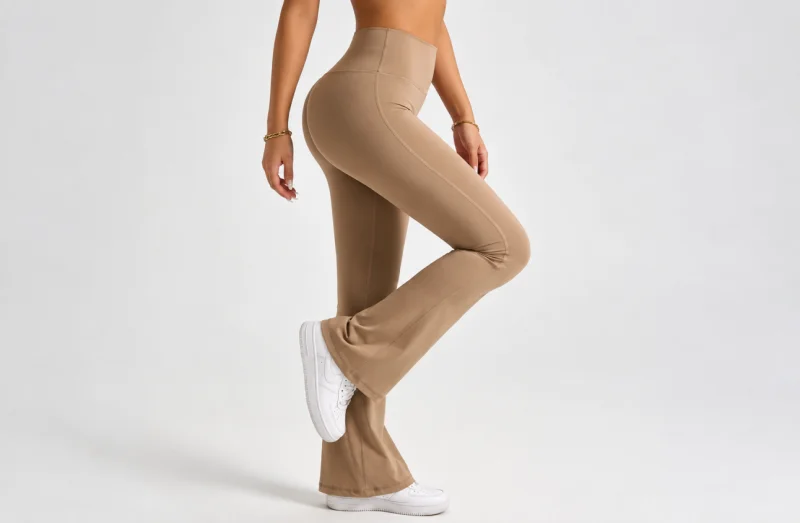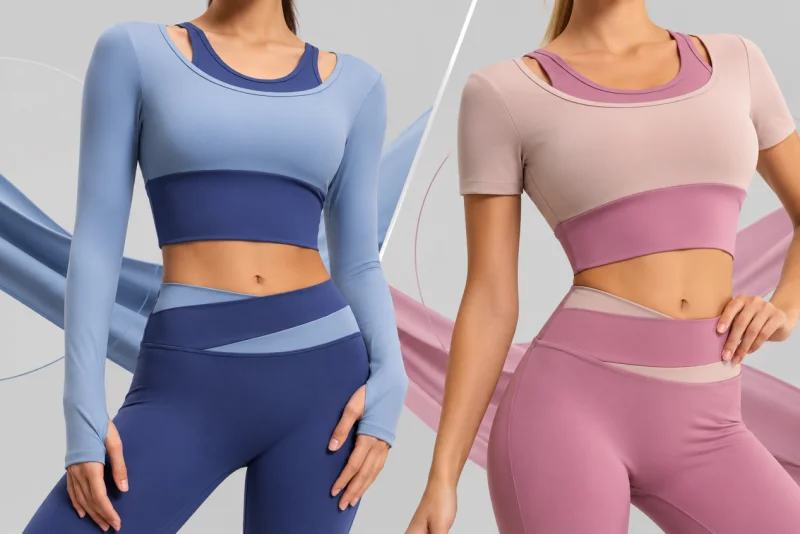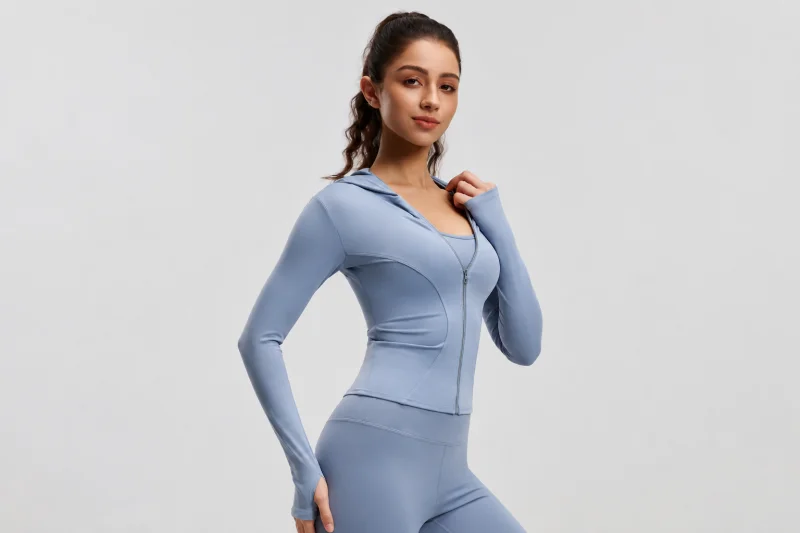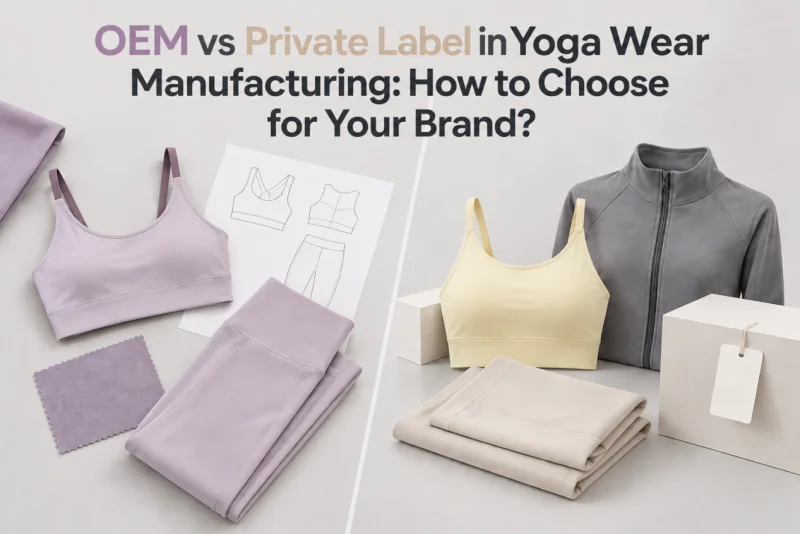
Movement quality and long-term wearability influence purchasing decisions across the activewear market. Retailers and private-label buyers evaluating custom yoga skirts often focus on fabric behavior, consistent sizing, and production reliability instead of appearance alone. Those priorities help create collections that satisfy end users while reducing unnecessary returns and inventory concerns.
Fabric Performance Supports Everyday Movement
Stretch recovery determines whether a garment keeps its intended shape after repeated sessions. Fabrics that combine elasticity with dependable resilience allow unrestricted motion without becoming loose over time. Consistent recovery also helps preserve a polished retail presentation after frequent washing.
Moisture management remains important for studio practice and casual daily wear. Materials that move perspiration away from the skin improve comfort during extended activity while reducing the heavy feeling associated with saturated fabrics. Buyers frequently request textile testing before confirming production.
A balanced fabric weight creates flexibility without excessive transparency. Lightweight materials encourage airflow, while sufficient density improves confidence during bending, stretching, and seated poses. Careful material selection supports both performance expectations and commercial durability.
Many sourcing teams work closely with a yoga skirt manufacturer to review fabric specifications before sampling begins. Early technical discussions reduce revision cycles and help align finished products with retail positioning across different international markets.
Construction Details Influence Product Longevity
Strong stitching supports repeated movement across high-stress areas such as waistbands, side seams, and hems. Even seam tension minimizes distortion while extending product life through frequent exercise and regular laundering.
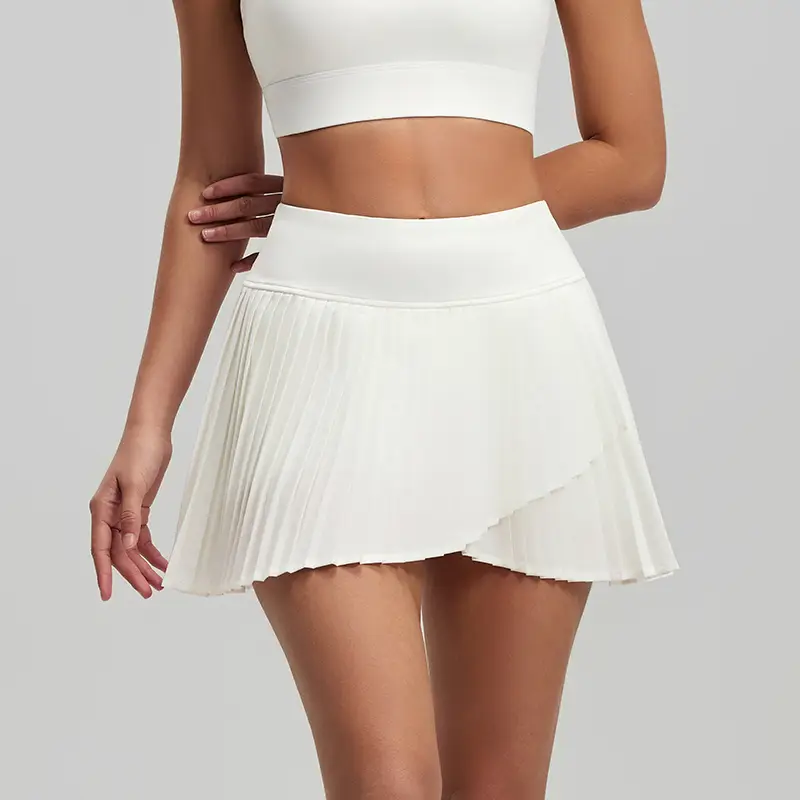
Thoughtful waistband engineering contributes significantly to comfort. Wide waistbands distribute pressure more evenly than narrow alternatives while remaining secure throughout movement. Stable construction reduces rolling, allowing wearers to concentrate on activity rather than constant garment adjustment.
Pattern development also affects overall fit consistency. Carefully graded sizes create predictable measurements across production runs, helping wholesalers and retailers reduce customer exchanges caused by inconsistent sizing between different batches.
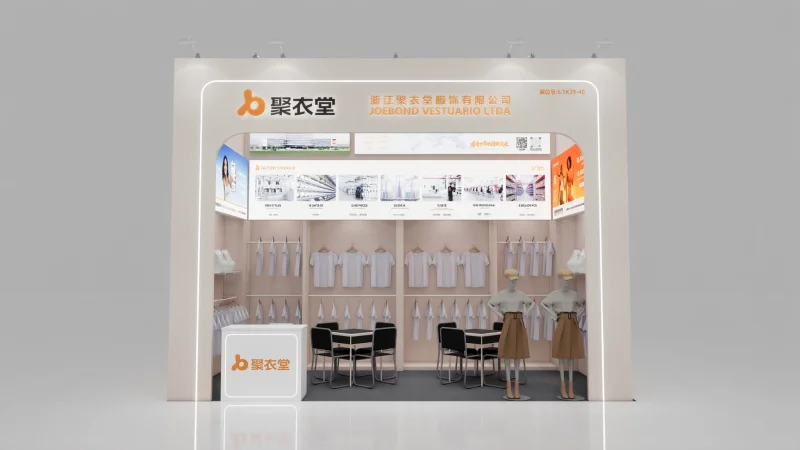
As a vertically integrated manufacturing partner, Joebond supports coordinated development from textile sourcing through finished production. This connected process improves communication between design refinement, quality control, and manufacturing teams without unnecessary delays.
Design and Customization Features That Improve Commercial Appeal
Retail buyers often seek versatile silhouettes suitable for yoga sessions, travel, and casual daily wear. Functional styling expands usage occasions, allowing retailers to reach customers looking for apparel that transitions naturally between activities.
Well-designed pockets, integrated shorts, and practical seam placement enhance convenience without distracting from clean styling. Functional additions should remain balanced with comfort rather than increasing unnecessary garment weight or bulk.
Color stability deserves careful attention during sourcing discussions. Reliable dyeing processes maintain appearance after repeated washing, supporting customer satisfaction while protecting brand reputation throughout multiple selling seasons.
When planning seasonal collections, many brands request custom yoga skirts that accommodate unique colors, logos, labels, and packaging. Flexible customization helps differentiate product lines while maintaining consistent manufacturing quality across larger production volumes.
Production Consistency Builds Buyer Confidence
Reliable production planning extends beyond garment assembly. Stable raw material sourcing, documented quality procedures, and transparent communication contribute to predictable delivery schedules that support wholesale inventory planning.
Sampling plays a practical role before volume manufacturing begins. Prototype evaluation allows buyers to assess fit, fabric performance, and finishing details while identifying adjustments that improve final commercial results without affecting production efficiency.
Quality inspections throughout manufacturing reduce defects before shipment. Monitoring measurements, seam integrity, fabric appearance, and finishing standards helps maintain consistency across complete production orders rather than relying solely on final inspections.
Working with an experienced yoga skirt manufacturer also provides valuable technical feedback during product development. Manufacturing insights often identify opportunities to simplify construction while maintaining appearance, comfort, and long-term durability for commercial distribution.
OEM And ODM Solutions For Growing Apparel Brands
Private-label businesses frequently require manufacturing flexibility as product portfolios expand. OEM and ODM services allow brands to introduce exclusive collections without establishing their own production facilities or managing multiple suppliers independently.
Integrated supply chains simplify coordination between fabric procurement, pattern development, cutting, sewing, finishing, and packaging. Better production visibility supports accurate scheduling while reducing communication gaps that commonly affect complex apparel projects.
Our manufacturing approach emphasizes practical collaboration throughout product development. Joebond works with retailers, wholesalers, and private-label companies to align technical requirements with commercial objectives while supporting stable production capacity for recurring orders.
As product demand evolves across different regions, custom yoga skirts can be adapted through customized fabrics, trims, sizing, branding, and packaging. Flexible manufacturing allows businesses to respond efficiently to changing consumer preferences without rebuilding their entire supply strategy.
Quality Assurance Strengthens Long-Term Business Relationships
Retail success depends not only on attractive products but also on dependable supplier performance. Consistent documentation, inspection standards, and responsive communication contribute to stronger purchasing confidence over multiple production cycles.
Compliance requirements continue to influence sourcing decisions for global apparel buyers. Clear production procedures, traceable materials, and standardized manufacturing practices help support market access while simplifying internal supplier evaluations.
Inventory planning becomes more predictable when production quality remains stable from one order to the next. Reduced variation allows wholesalers and retailers to forecast demand with greater confidence while limiting unexpected replacement costs.
Throughout long-term cooperation, Joebond focuses on practical manufacturing support, transparent communication, and coordinated production resources that help apparel businesses strengthen supply continuity while expanding their branded yoga collections across international markets.
A successful yoga skirt combines comfortable fabrics, dependable construction, thoughtful functionality, and consistent manufacturing quality. Buyers evaluating a yoga skirt manufacturer should consider technical capability alongside communication, production integration, and quality management. These factors help create reliable partnerships while supporting commercial growth for retailers seeking dependable yoga skirt manufacturer relationships.