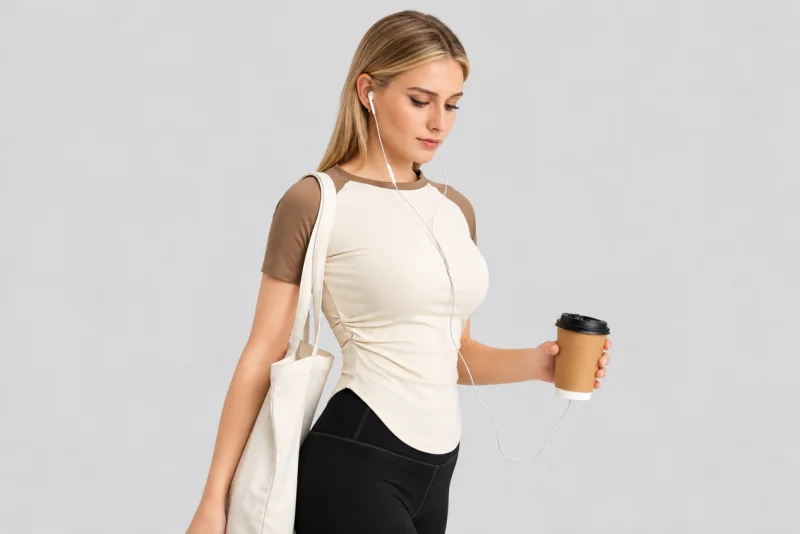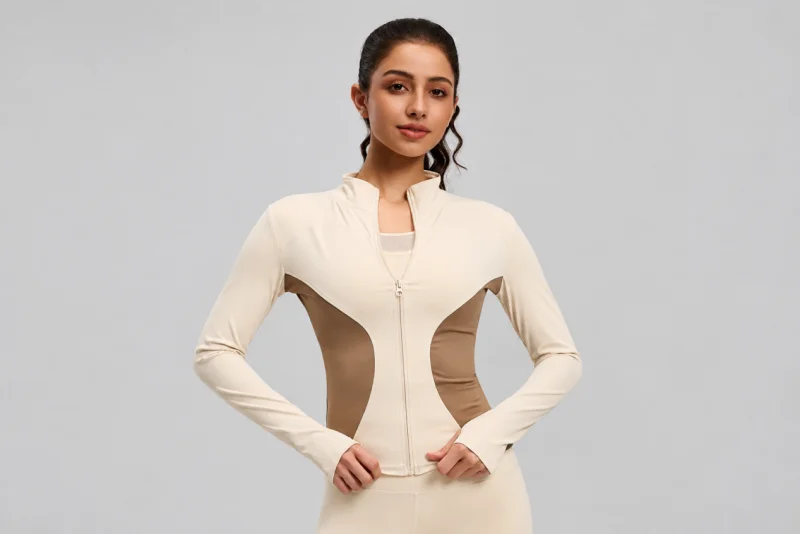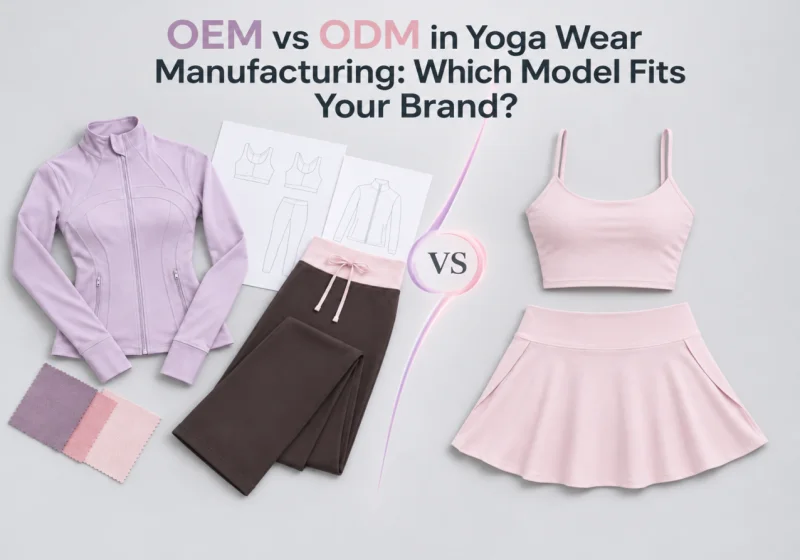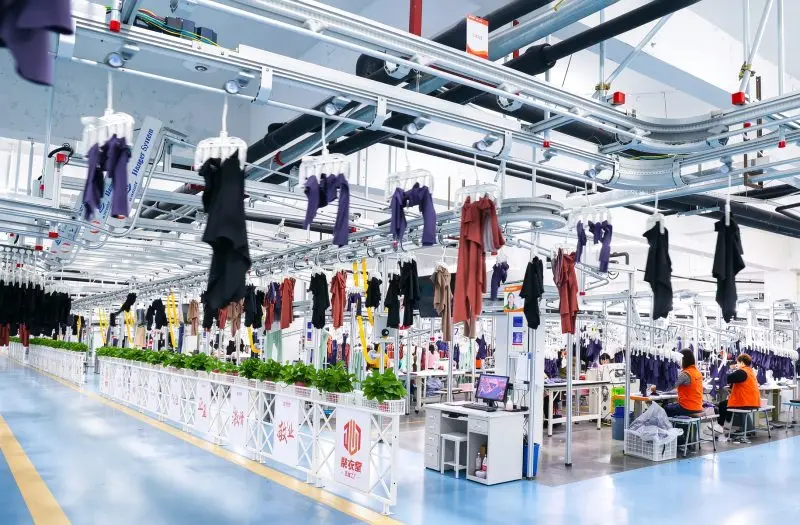
When we plan custom yoga clothing, the final cost depends on more than the garment design. Pattern work, fabric selection, branding, order volume, inspections, and shipping all influence the budget. Joebond’s OEM process shows how each stage can add value while also affecting the quotation.
A useful cost review begins before production starts. We compare the design brief with sampling needs, fabric requirements, packaging plans, and delivery goals. This approach helps our team understand which choices are essential for the collection and which features can be adjusted for better budget control.
Design development and pattern work
The first cost factor is the complexity of the product itself. A simple cut may need fewer development steps than a multi-panel style with shaped waistbands, special seams, or coordinated pieces. Joebond develops patterns from sketches, physical samples, or technical packs, so the amount of input required can vary by project.
Pattern development also includes grading across sizes. A collection serving several markets may request European sizing or a broader size range. Each additional size requires pattern adjustments and fitting review. We include these activities in the planning stage because they influence sampling time and development labor.
Sampling gives our team a chance to review silhouette, movement, and construction before bulk production. A trial sample may reveal the need for a revised rise, waistband, leg opening, or top length. Making those changes early can reduce the chance of costly alterations after materials have been ordered.
Fabric choice and testing
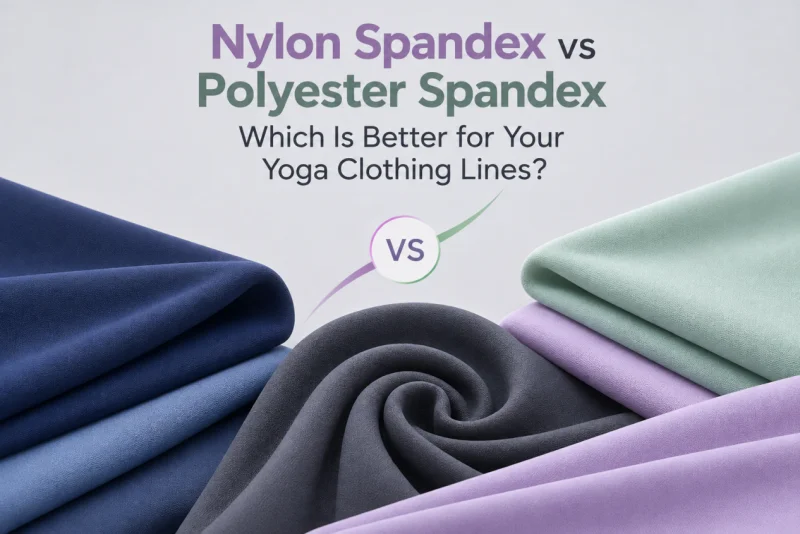
Fabric selection has a visible effect on pricing. The OEM service lists two core fabric series: polyester-spandex high-stretch fabric and Flowfit nude fabric made from nylon-spandex. These options can suit different design goals, hand feels, and performance expectations.
We also consider the quantity of fabric required for each style. Larger panels, lining, double-layer sections, or matching sets increase material use. Color selection can add another planning variable when several shades are needed for one collection.
Fabric testing is part of the production process. The listed checks cover opacity, stretch, and color fastness. These evaluations support consistency, but they also involve time and inspection resources. When we compare quotations, we look at the selected fabric, testing scope, and expected order volume together.
Branding and packaging choices
Private-label details can change the cost of wholesale yoga clothing. Joebond supports heat-transfer labels, printed logos, and custom packaging bags. We review the artwork size, application method, label quantity, and packaging format before approving the order.
A printed logo and an applied label may require different preparation and handling. Custom packaging can also involve artwork checks, bag specifications, and packing instructions. These details may seem small, yet they affect material usage and production coordination across the order.
Our team separates essential branding from optional presentation features. A new collection may start with a logo and basic packaging, then add upgraded bags or extra labels after customer response is measured. This staged approach keeps the brand identity visible while allowing the initial budget to remain controlled.
Order quantity and production route
Quantity is another important part of the quotation. Joebond accepts custom orders with a low MOQ of 10 pieces per color per style. This can support small trials, but a lower quantity may spread development and setup costs across fewer garments.
Larger orders can use production capacity more efficiently. The OEM information lists schedules of up to 10,000 pieces within 7 days and up to 50,000 pieces within 15 days, subject to a confirmed order plan. We treat these figures as planning references alongside fabric readiness, approved samples, and customization details.
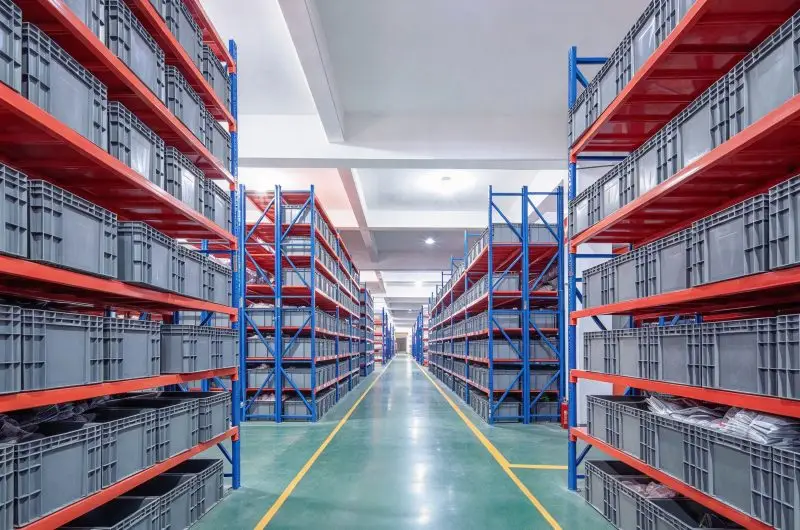
Buyers can also compare custom production with ready-stock purchasing. The service information lists 8 million pieces available year-round for ready-stock supply. Ready stock may reduce development work when an existing style fits the market, while custom production offers more control over fabric, pattern, logo, and craftsmanship.
Quality control and account support
Quality work contributes to cost because it requires trained staff, testing, and documented checkpoints. The OEM process includes multi-stage quality inspection during manufacturing. We review how fabric, sewing, branding, measurements, and packing will be checked before goods are released.
The listed quality system includes ISO9001, ISO14001, and BSCI. These certifications describe the operating framework, but buyers still need an order-specific inspection plan. We define the approved sample, measurement chart, appearance standards, and packaging requirements so the factory and our team share the same reference.
Account management also affects project efficiency. Dedicated account managers track order progress and provide online support. Clear communication can reduce repeated confirmations when a design changes or a shipment schedule needs adjustment. For our budgeting, support time is part of the service value rather than an isolated product charge.
Shipping and delivery planning
Logistics may alter the final landed cost even when the garment quotation stays unchanged. Joebond supports sea and air shipping to worldwide destinations. We compare the urgency of the launch with the shipment method, carton volume, destination, and required delivery window.
Air shipping can suit urgent replenishment, while sea shipping may fit larger planned orders. The choice depends on our sales calendar and stock position. We also confirm whether packaging dimensions, labels, and carton instructions are ready before dispatch, since late changes can create additional handling.