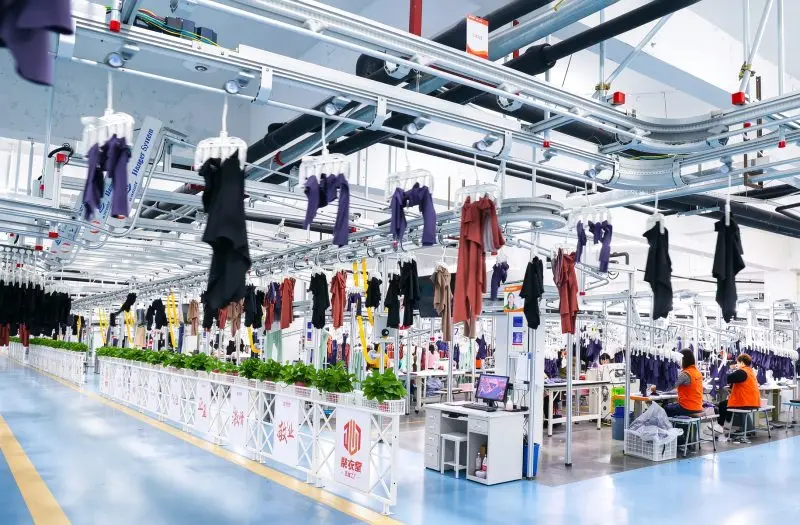
Selecting the right manufacturing model is a critical strategic decision that shapes product development, customization flexibility, production costs, and overall market positioning in the competitive yoga wear industry. OEM offers greater control over original designs, while ODM provides manufacturer-supported development that can reduce brands’ workload.
This guide compares OEM and ODM manufacturing models, helping startups and established activewear brands choose a suitable approach based on their design capabilities, budgets, and business goals.
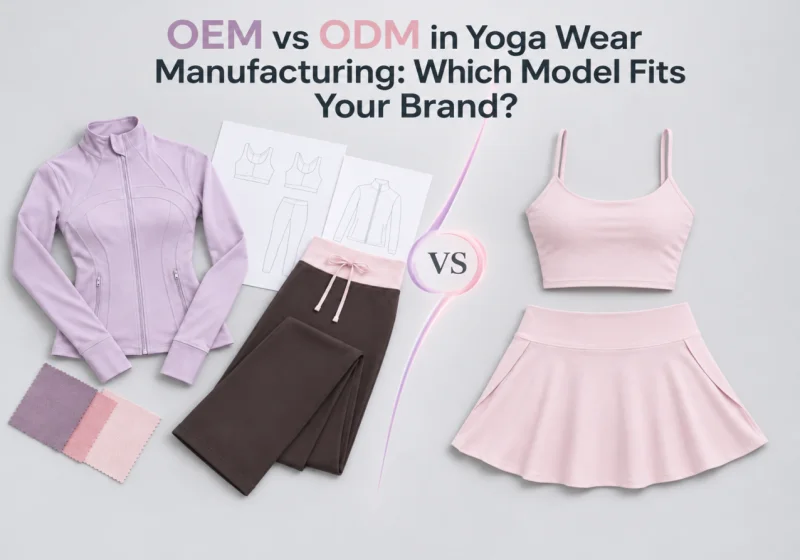
What Is OEM Manufacturing in Yoga Wear?
OEM (Original Equipment Manufacturing) is a production model in which a manufacturer produces yoga apparel based on a brand’s original designs, reference samples, or technical specifications. The brand defines the product requirements, while the manufacturer develops and produces the garment according to those specifications.
The process typically involves several stages:
- Design submission:The brand provides design sketches, physical samples, or technical packs (tech packs) outlining product requirements.
- Fabric selection:The manufacturer sources suitable materials based on the desired stretch, comfort, opacity, and performance.
- Pattern development:Patterns are created or adjusted to match the required silhouette, measurements, and size range.
- Sample approval:Prototype garments are evaluated for fit, construction, fabric performance, and overall appearance.
- Bulk production:Manufacturing begins after the brand approves the samples and production specifications.
The primary advantage of OEM is greater control over product customization and differentiation. Brands can specify details such as waistband construction, seam placement, fabric composition, and sizing to create apparel tailored to their customers.
However, OEM generally requires more preparation and investment in development. Creating detailed specifications, developing patterns, and revising samples can increase upfront costs and extend the development timeline.

What Is ODM Manufacturing in Yoga Wear?
ODM (Original Design Manufacturing) is a manufacturing model in which the supplier provides product designs or development expertise that brands can use to create their collections. Unlike OEM, where the brand usually leads the design process, ODM places greater responsibility for product development on the manufacturer.
The process generally follows four stages:
- Style selection:The brand chooses an existing yoga apparel design or shares a product concept with the manufacturer.
- Customization:Fabrics, colors, fit details, logos, labels, and packaging are selected according to available options.
- Sample confirmation:The manufacturer prepares samples for the brand to evaluate and approve.
- Production:Approved products proceed to bulk manufacturing, inspection, and delivery.
ODM can reduce a brand’s product development workload, particularly when using existing manufacturer-supported designs. Experienced ODM suppliers may assist with fabric selection, garment construction, pattern adjustments, and production planning.
However, ODM customization depends on the manufacturer’s available designs, materials, and technical capabilities. Extensive structural changes may require additional development and sampling.

OEM vs ODM: What Are the Key Differences?
The main difference between OEM and ODM lies in who leads product design and development. OEM typically follows brand-developed specifications, while ODM relies more heavily on the manufacturer’s existing designs or development resources.
| Comparison Factor | OEM Manufacturing | ODM Manufacturing |
| Design ownership and responsibility | Brand-led design; ownership depends on agreements | Manufacturer-led or collaborative development; rights depend on agreements |
| Customization flexibility | High, based on original specifications | Depends on available styles and development capabilities |
| Product development costs | Often higher for custom development | Often lower when existing designs are used |
| Minimum order quantity (MOQ) | Depends on materials, design, and production | May be flexible for established styles |
| Sampling and production lead times | More development time may be needed | Potentially faster sampling using existing styles |
| Product differentiation | Strong potential for original designs | Depends on customization depth and exclusivity |
| Suitable brand types | Established and design-focused brands | Startups, emerging brands, and expanding retailers |
1. Design and Customization Flexibility
OEM gives apparel brands greater control over garment specifications, from seam construction and waistband design to fabric composition and performance features, depending on the manufacturer’s technical capabilities. In contrast, ODM relies on proven, manufacturer-supported designs, giving brands a convenient foundation to adapt through color choices, surface finishes, and private labeling.
2. Development Costs and Production Efficiency
OEM often involves additional pattern development, fabric sourcing, and sampling, which can increase upfront costs and development time for complex designs. ODM may shorten the development process when brands use existing styles or manufacturer-supported designs. However, costs and lead times for both models depend on customization requirements, sample revisions, and order quantities.
3. Brand Differentiation in the Market
OEM allows activewear brands to differentiate their products through distinctive fits, customized fabrics, and functional design features. While ODM collections can be styled to look distinct through high-end branding and unique color palettes, the underlying silhouettes may resemble other products produced by the same factory.
OEM or ODM: Which Model Is Right for Your Yoga Wear Brand?
Selecting between OEM and ODM involves aligning your manufacturing strategy with your brand’s operational capabilities, financial resources, and market goals:
1. Startups and Emerging Activewear Labels
For new companies lacking dedicated design teams or complete technical spec sheets, partnering with ODM suppliers offers an accessible path into the market with minimal R&D risks.
2. Established Brands with Original Designs
Brands with original designs or detailed tech packs may benefit from OEM when they need precise control over fabric composition, stitching specifications, and ergonomic fit. This approach supports stronger product differentiation and consistent brand positioning.
3. Brands Testing New Product Categories
Established labels looking to experiment with adjacent categories—such as expanding from yoga leggings into tennis skirts or outerwear—can utilize ODM to gauge customer interest quickly before investing in custom OEM patterns.
4. Brands Prioritizing Technical Differentiation
Brands developing premium activewear with specialized performance requirements, such as targeted compression, customized support, or unique garment construction, may benefit from OEM’s greater design and technical flexibility.
5. Brands Expanding Multi-Tiered Portfolios
Hybrid approaches work exceptionally well for scaling businesses; brands can utilize OEM for their signature, high-margin core lines while leveraging ODM for seasonal capsule collections or fast-turnaround limited editions.
Why Choose JoeBond for OEM and ODM Yoga Wear Manufacturing
JoeBond is a China-based yoga wear manufacturer offering both OEM and ODM solutions for brands with different development requirements. Its services cover garment development, fabric selection, customization, sampling, and bulk production, helping businesses build and expand their activewear collections.
1. OEM Yoga Wear Manufacturing
JoeBond’s OEM manufacturing services support brands developing yoga apparel from original designs, reference samples, or technical specifications.
Key capabilities include:
- Custom Pattern Development:JoeBond develops patterns for leggings, sports bras, activewear tops, and matching sets based on client sketches, physical samples, or tech packs. Pattern grading and fit adjustments support different sizing requirements.
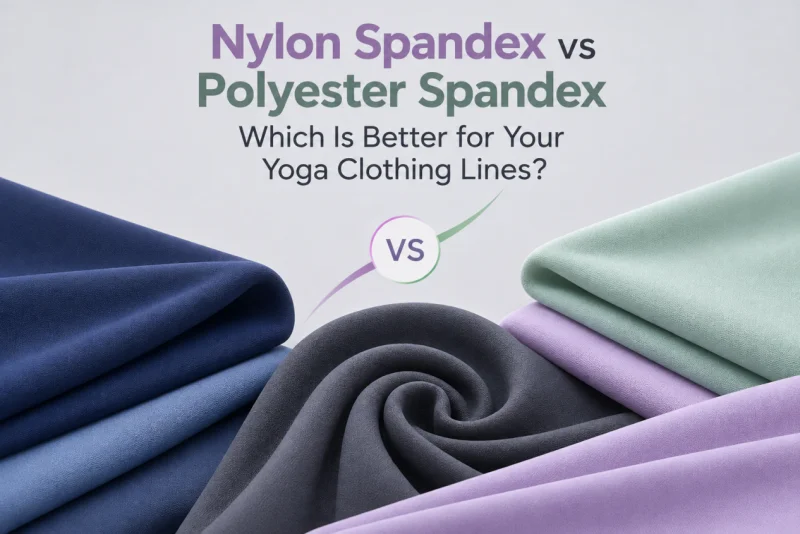
- Performance Fabric Customization:JoeBond offers polyester-spandex high-stretch fabrics and its self-developed Flowfit nude-feel fabric (nylon-spandex). Fabrics undergo testing for stretch, opacity, and colorfastness to meet product requirements.
- Private Label & Flexible Production:JoeBond supports custom logos, heat-transfer labels, packaging, and small-batch trial orders. Its OEM page lists a minimum order quantity starting at 10 pieces per color per style, subject to project requirements.
These capabilities make JoeBond’s OEM services suitable for brands seeking greater control over original garment designs and product specifications.
2. ODM Yoga Wear Manufacturing
JoeBond’s ODM manufacturing services offer an alternative for brands that want ready-to-customize styles and professional development support.
Key capabilities include:
- Ready-to-Customize Product Styles:Brands can explore existing designs for sports bras, leggings, yoga jackets, and skirts as starting points for new collections.
- Flexible Design & Branding Options:Customization includes fabrics, colors, heat-transfer labels, hangtags, and packaging. Minor fit and pattern adjustments are available within the technical limits of selected styles.
- Integrated Development & Production Support:JoeBond coordinates style selection, customization, sampling, bulk production, and final inspection, helping reduce the development responsibilities handled by the brand.
For ODM projects, JoeBond also offers polyester-spandex and nylon-spandex fabric options, letting brands choose materials based on their comfort and performance needs.
With both manufacturing approaches available, JoeBond can support businesses ranging from emerging yoga apparel labels to established brands developing original product collections.
Conclusion
Choosing between OEM and ODM depends on your brand’s design capabilities, customization requirements, budget, and production objectives. OEM offers greater control over original products, while ODM provides accessible, manufacturer-supported development.
Whether you need fully customized activewear or adaptable existing styles, contact JoeBond to discuss the OEM or ODM manufacturing solution that best fits your brand.