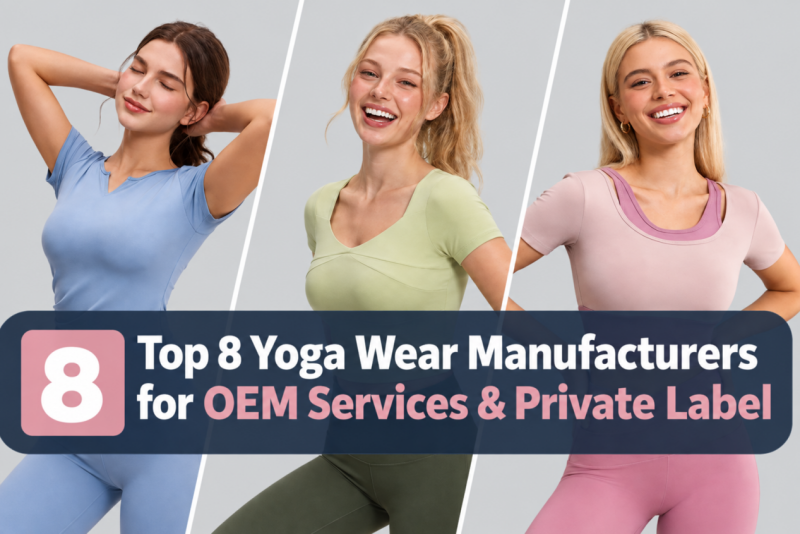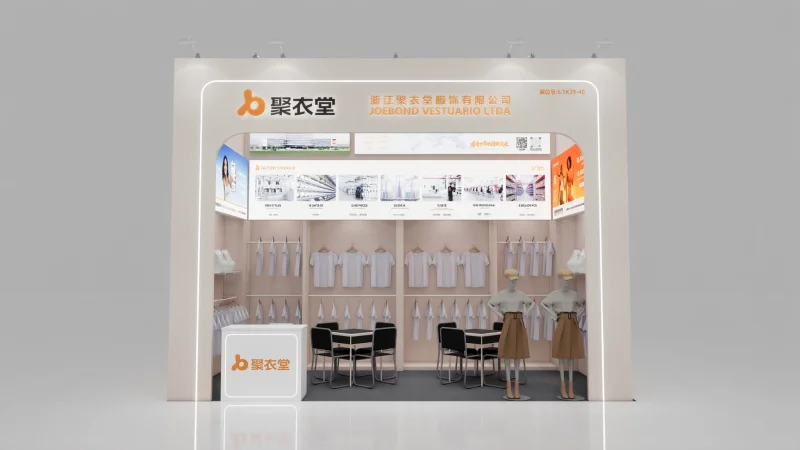
The international athleisure market demands a precise balance of aesthetic adaptability and raw technical performance from corporate inventory lines. For procurement teams managing activewear distribution networks, identifying products that withstand intensive physical movement while retaining shape is vital. Integrating optimized apparel patterns into your commercial catalog requires an analytical approach to raw textile composition.
Technical Fabric Architecture and Hydrophilic Fiber Engineering
Advanced fitness tops must handle intense microclimate humidity without retaining heavy moisture or causing skin chafing. Sourcing agents prioritize double-knit interlock structures composed of premium nylon-spandex or interlock polyester-spandex variations. These materials offer the baseline physical resilience required for daily strenuous exercise routines.
The raw fiber blend ratios dictate the overall textile elasticity and shape recovery parameters. Lower-grade synthetic yarns often suffer from severe elastane fatigue after multiple industrial laundry cycles, resulting in misshapen retail inventory. To maintain commercial competitiveness, modern brands select technical yarn configurations that offer multi-directional flexibility.
Moisture management relies entirely on deep fiber-level capillary channels rather than temporary topical chemical applications. These structural pathways pull sweat outward to speed up evaporation during studio activities. This mechanical approach ensures long-term comfort for athletes engaged in intense training environments.
Our specialized factory floor monitors yarn tension during the knitting process to eliminate structural surface imperfections. At Joebond, we continuously stress-test these raw textile compositions to ensure maximum physical durability across commercial production cycles. Selecting verified materials mitigates early consumer returns and strengthens brand equity.
Pattern Engineering and Scapular Ergonomics for Active Movements
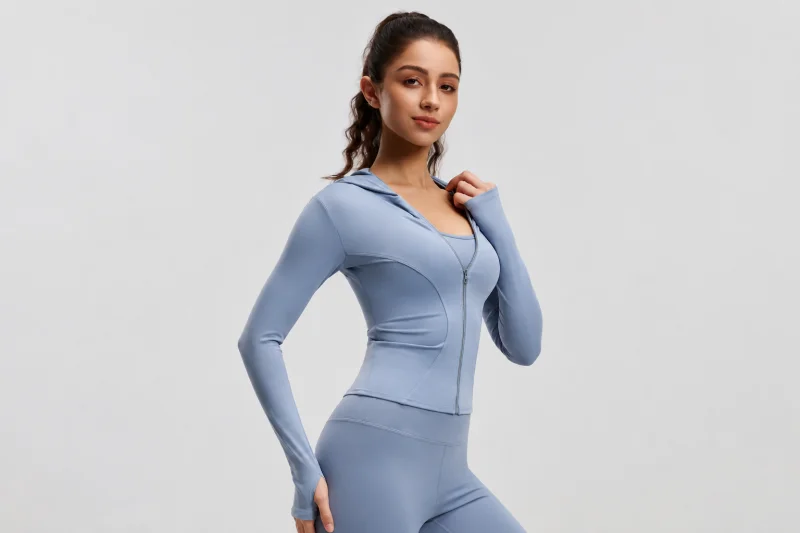
Perfect functional shaping depends on careful shoulder-angle and underarm-clearance specifications. Unlike traditional casual garments, whose restrictive seams limit overhead movement and deep-breathing chest expansion, professional fitness wear uses ergonomic panel layouts to allow full, unhindered motion.
Sleeve-angle pitch determines whether hems ride up during overhead moves; advanced digital prototyping helps designers balance tension across the trapezius evenly, eliminating distracting adjustments during yoga or complex flows. Underarm gussets add extra fabric exactly where traditional seams face high shear stress, minimising friction and maximising comfort in repetitive high-intensity actions. Retailers should specify these geometric features during initial sample evaluations.
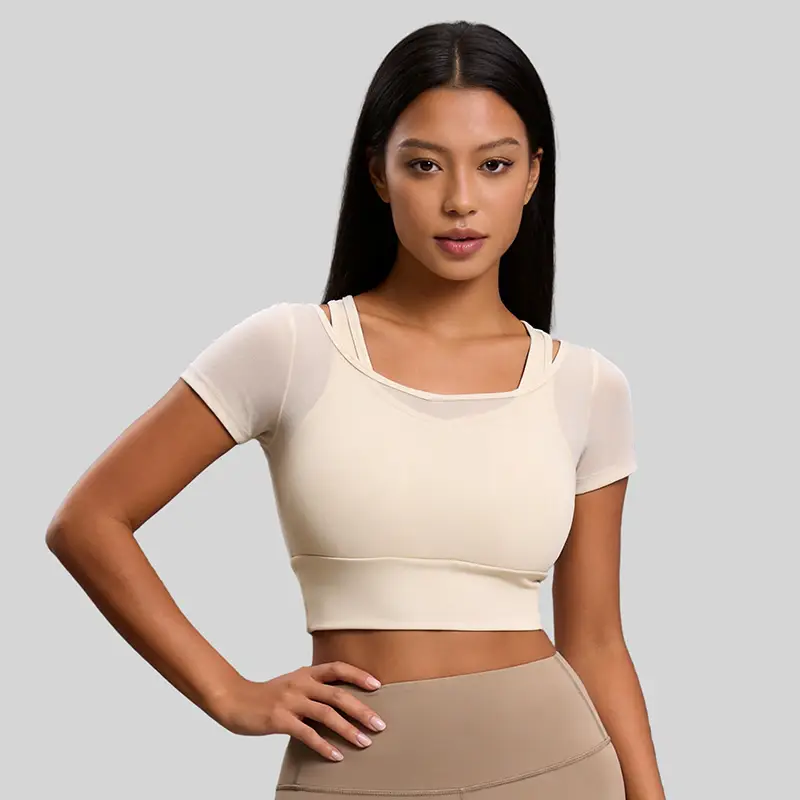
Neckline designs must offer adequate coverage without pressing on the throat. Reinforced collar bindings prevent stretching, keeping garments crisp even after long storage. Incorporating these pattern strategies enhances the aesthetic durability of commercial product lines.
Structural Seam Durability and Advanced Edge Bonding Processes
Chafing represents a major consumer complaint that completely undermines brand trust within competitive consumer athletic markets. Traditional raised interior seams rub relentlessly against the skin during high-speed cardio or prolonged endurance sessions. Industrial fitness production solves this issue by deploying specialized four-needle flatlock assembly machines.
Flatlock seams join raw textile edges flush together without bulky overlapping layers, yielding an incredibly smooth interface. This mechanical process demands high-tensile texturized thread to mirror the natural elasticity of the primary knit panels. The resulting structural junction absorbs high tensile stress without popping or tearing.
For high-end premium collections, ultrasonic bonding techniques offer an ultra-clean look by eliminating conventional sewing threads entirely. Specialized adhesive films fuse textile panels under intense localized heat to form incredibly durable, flat margins. This minimal profile looks exceptionally sleek under tight lifestyle outer layers.
Alternatively, seamless circular knitting machines form entire body sections as unified structural tubes. This advanced method removes uncomfortable side seams completely, lowering production waste and assembly costs. Procurement teams prioritize these streamlined manufacturing methods when looking for reliable short sleeve yoga shirts.
Optimizing Commercial Custom Short Sleeve Shirts Product Design
For private‑label brands, distinctive design features are essential to stand out in crowded global fitness markets. Tailoring silhouettes and details to regional demographics is made easier by flexible manufacturing partners that streamline customisation.
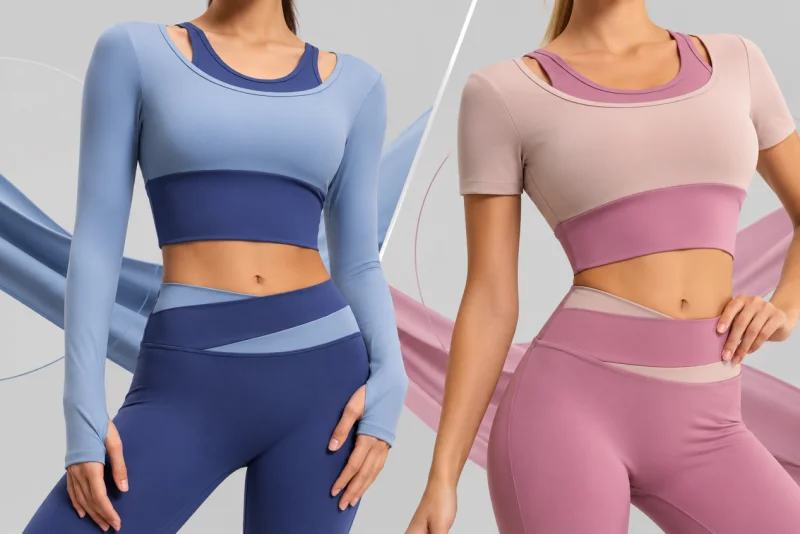
Customisation spans silhouette choices (relaxed to compressed), back‑panel details like laser‑cut vents or mesh inserts for airflow and premium value, and fit variants—loose for warm‑ups, compressed for recovery, cropped for youth athleisure—to target multiple segments. For branding, durable silicone heat transfers stretch with the fabric without cracking or fading, ensuring consistent visibility throughout the garment’s life.
Sourcing high-quality custom short sleeve shirts requires providing clean technical specification sheets containing exact measurements and sewing instructions. Competent production teams translate client concept drawings into production-ready tech packs to minimize costly sample revisions. This technical collaboration speeds up production schedules and shortens delivery timelines.
Establishing Resilient Wholesale Procurement Distribution Infrastructures
Sourcing through commercial networks delivers cost efficiencies via volume purchasing, lowering material costs and improving margins. But bulk buying need not mean generic designs—modern suppliers offer semi‑custom options (unique dyes, labels) to build distinctive collections without heavy development costs. Quality across large runs is ensured by multi‑tier QC, with technicians inspecting at knitting, cutting, assembly, and packing, and ethical producers providing inspection reports before shipment.
Production begins with yarn testing, followed by circular knitting, laser cutting, and flatlock assembly, then a final dimensional check. For large enterprises, partnering with a vertically integrated manufacturer minimises logistical complications.
Managing textile creation, pattern design, and final assembly under one management team prevents communication delays. This operational structure ensures your wholesale short sleeve yoga shirts arrive on schedule every season.
Industrial Quality Control Benchmarks and Material Verification Protocols
Commercial sportswear must retain dimensions under strain and repeated washing. Lab tests check pilling, bursting, and sweat colorfastness—meeting international benchmarks secures customer retention. Elastane breakdown from body oils and laundry chemicals ruins cheap elastic; quality factories use stabilised spandex that resists chemical degradation, keeping fit correct over months of training.
Colour‑migration testing ensures deep dyes do not bleed onto lighter fabrics during intense workouts. Rigorous wet/dry friction tests confirm full dye lock. This thorough technical oversight protects your business from costly returns and negative reviews.
Working with fully certified manufacturing facilities ensures strict compliance with modern global environmental standards. These certifications guarantee that zero toxic chemicals or restricted heavy metals remain within the finished commercial textiles. We operate an advanced manufacturing infrastructure at Joebond to deliver these precise quality metrics for our global commercial partners.
Structural Alignment of Production Costings and Market Viability
Building a profitable commercial fitness collection demands balancing advanced product features with realistic manufacturing budgets. Investing in high-grade fabric technology and flatlock sewing raises initial unit costs but significantly reduces long-term defect rates, which in turn drives positive word-of-mouth and repeat commercial orders.
Supply chain managers must evaluate partners’ full operational capability—including communication speed, shipping reliability, customs clearance efficiency, and project management. Low unit costs are quickly negated by delays or poor coordination, making total operational transparency throughout the production cycle essential for smooth growth.
Consumers readily pay premium prices for sportswear that solves classic issues like chafing and shrinking, enabling brands to justify higher retail points and boost margins while building loyalty. Sourcing from an integrated OEM/ODM specialist allows seamless scaling from small test batches to large seasonal orders, improving capital efficiency and market responsiveness. Ultimately, investing in well-engineered products creates a strong foundation for sustainable activewear brand expansion.