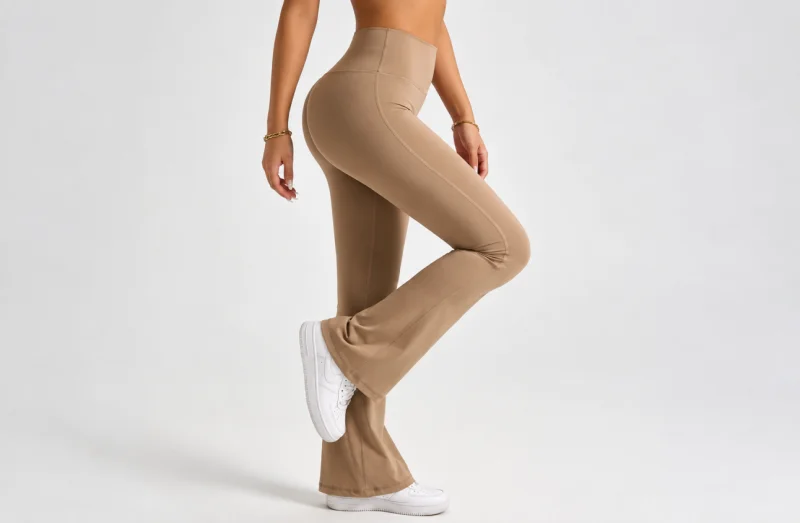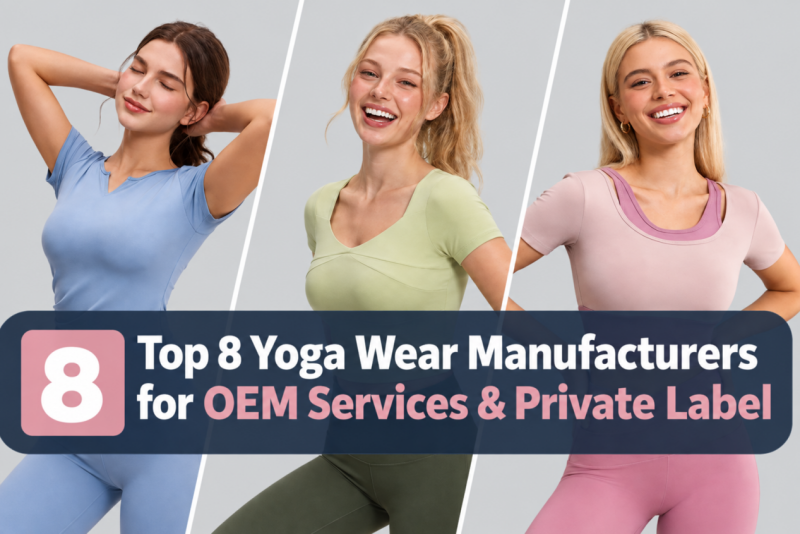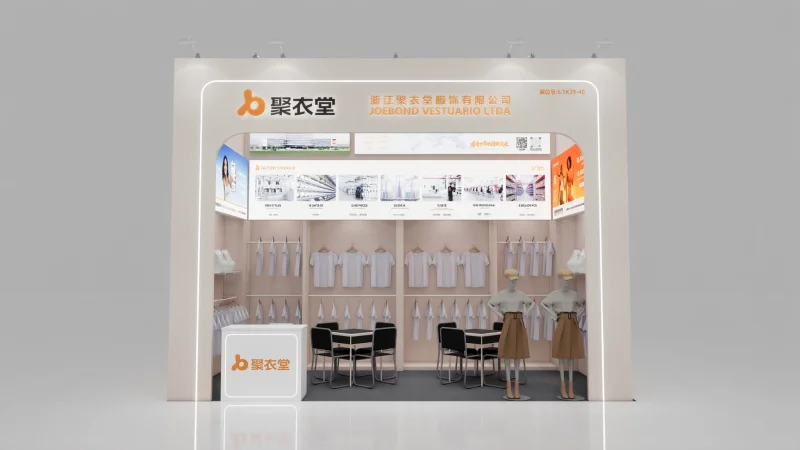
Growing a successful private-label activewear business requires more than attractive designs. Retailers and distributors need dependable manufacturing, consistent quality, and efficient supply chain support to remain competitive. Well-planned product development allows brands to introduce custom yoga pants that reflect their identity while meeting commercial expectations across diverse international markets.
Build A Strong Foundation For Private-Label Success
Every collection begins with a clear business objective. Target customers, pricing strategy, product positioning, and expected sales channels should be defined before product development starts. Clear direction reduces revisions and improves communication throughout manufacturing.
A complete product brief should include garment measurements, preferred fabrics, color standards, logo specifications, packaging requirements, and labeling details. Accurate documentation helps production teams follow consistent quality requirements throughout the manufacturing process.
Retail buyers often expand seasonal offerings by introducing personalized yoga pants alongside other activewear categories. Coordinated collections strengthen brand recognition and encourage repeat purchases from wholesale customers.
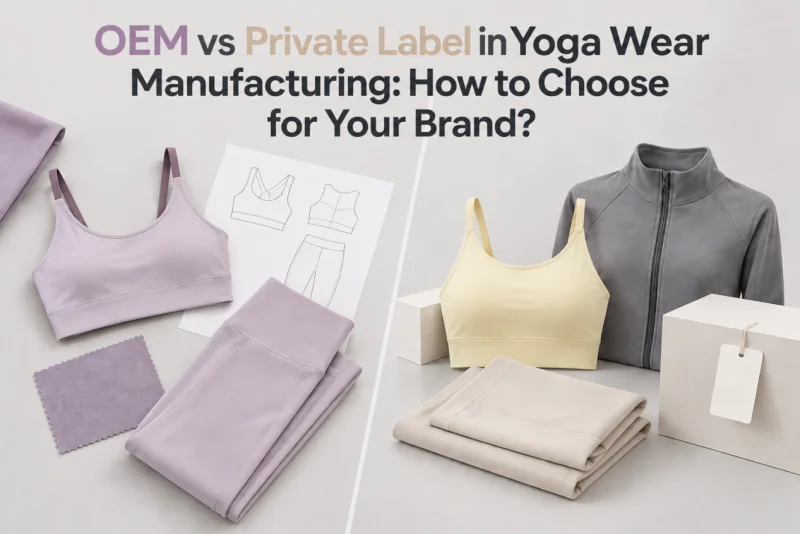
We support OEM and ODM projects by coordinating textile sourcing, sample development, production planning, and finished apparel delivery through one integrated manufacturing process, helping buyers simplify supplier management.
Choose Materials That Support Long-Term Performance
Fabric quality directly influences customer satisfaction after purchase. Stretch retention, breathability, moisture management, opacity, softness, and abrasion resistance all contribute to product value throughout repeated use.
Material selection should reflect regional demand and intended activity. Lightweight constructions perform well in warmer climates, while medium-weight fabrics provide additional support for year-round collections in many international markets.
Reliable fabric sourcing also improves production consistency. Stable material availability helps manufacturers reduce unexpected substitutions while maintaining color accuracy and garment performance across repeat orders.
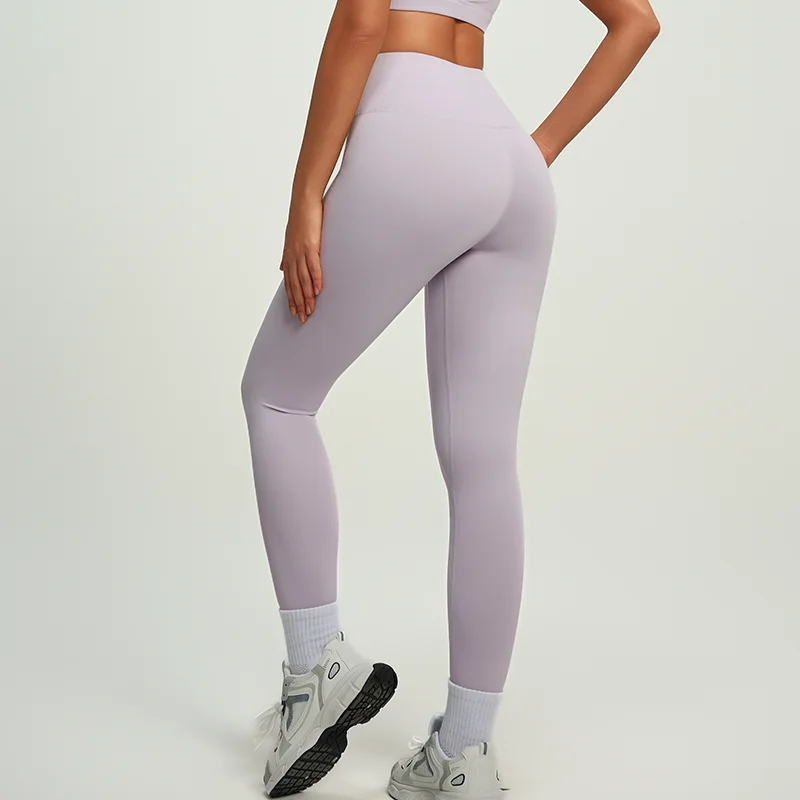
Developing custom yoga pants with carefully matched fabric blends creates reliable sizing, better comfort, and improved durability, supporting stronger customer confidence in private-label products.
Design Functional Details That Strengthen Brand Identity
Successful yoga apparel combines appearance with everyday functionality. High-rise waistbands, flatlock stitching, gusset construction, and carefully positioned seams improve comfort without limiting movement during different activities.
Logo placement deserves careful planning throughout product development. Heat transfer printing, embroidery, silicone graphics, woven labels, and reflective applications each provide different visual effects while supporting various market preferences.
Thoughtful design extends beyond branding alone. Pocket construction, waistband compression, inseam length, and fabric texture all influence purchasing decisions and contribute to customer satisfaction after repeated wear.
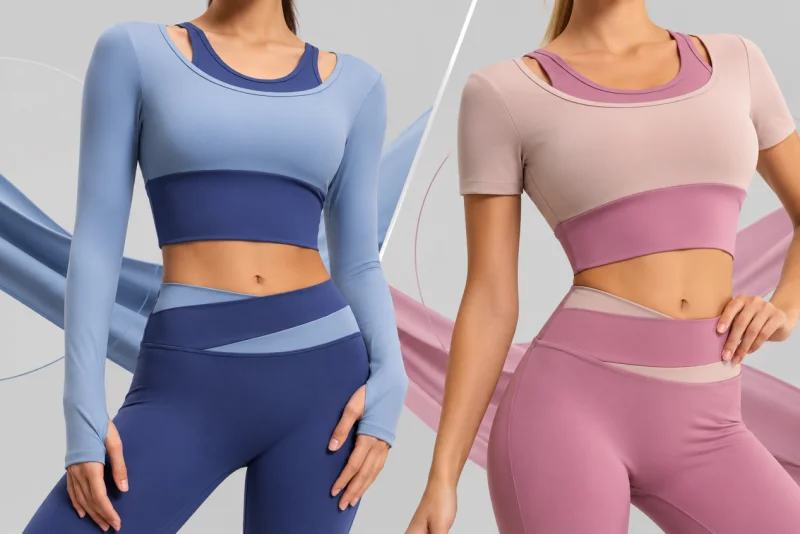
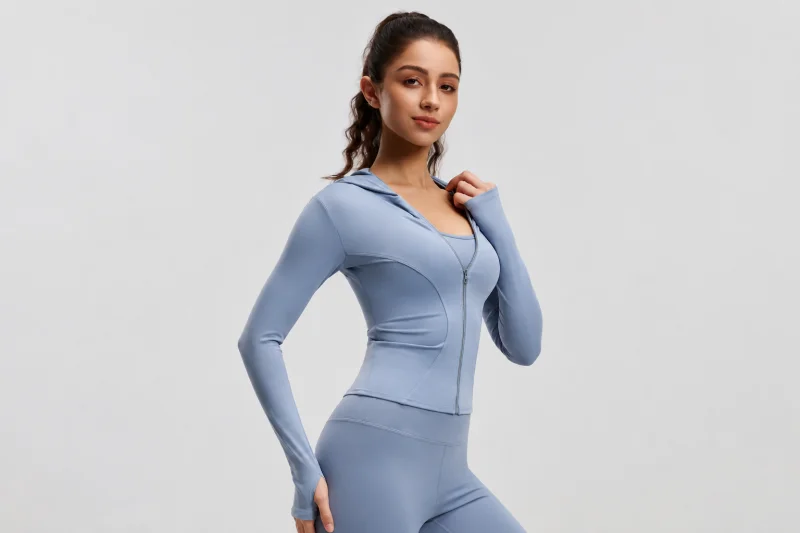
Many retailers introduce matching tops, jackets, shorts, and accessories after launching personalized yoga pants, creating complete collections that increase average order value and strengthen visual consistency.
Improve Manufacturing Efficiency Through Integrated Production
Accurate technical documents help manufacturers reduce sampling revisions. Measurement charts, sewing instructions, artwork files, grading specifications, and construction notes improve production efficiency from prototype approval through final shipment.
Production schedules become more reliable when material sourcing, cutting, sewing, finishing, and inspection remain closely coordinated. Integrated operations reduce communication delays between separate suppliers and manufacturing facilities.
As a vertically integrated apparel manufacturer, Joebond manages raw textiles, sampling, production, quality inspection, and finished apparel within one coordinated supply chain. We provide practical support for retailers, wholesalers, and private-label brands seeking dependable OEM and ODM solutions.
Balanced inventory planning also benefits international buyers. Combining customized production with available stock programs creates additional purchasing flexibility while reducing pressure during seasonal demand fluctuations.
Maintain Consistent Quality Across Every Order
Quality assurance should begin before garments enter the sewing line. Fabric inspections, laboratory testing, color verification, and accessory checks reduce production risks before manufacturing progresses.
Pattern grading requires careful control because consistent sizing directly affects customer satisfaction. Accurate grading supports reliable garment fit throughout complete size ranges and minimizes costly product returns.
Inspection should continue throughout production rather than only before shipment. Seam strength, measurement accuracy, logo placement, labeling, packaging, and overall appearance deserve regular monitoring during every manufacturing stage.
Our production teams document quality checkpoints throughout every order. This systematic approach allows Joebond to maintain stable manufacturing standards while supporting long-term cooperation with global apparel businesses.
Expand Product Lines With Long-Term Supply Chain Planning
Business growth depends on reliable manufacturing partnerships instead of isolated transactions. Long-term cooperation improves forecasting, production scheduling, material preparation, and communication between buyers and production teams.
Inventory strategies should balance stable core products with seasonal developments. This approach reduces unnecessary stock pressure while allowing retailers to respond more efficiently to changing customer demand throughout the year.
Many expanding brands continue building their collections around custom yoga pants, gradually adding complementary garments that share consistent branding standards, sizing systems, and packaging specifications across multiple product categories.
Integrated supply chain management supports smoother logistics, clearer production visibility, and more predictable delivery schedules. These operational advantages help retailers maintain stable inventory while strengthening relationships with wholesale customers and distributors.
Conclusion
Private-label yoga apparel succeeds through careful planning, dependable production, and consistent quality management rather than short-term product launches. Retailers benefit from manufacturing partners capable of supporting sourcing, development, production, and delivery within one coordinated process. We continue helping global buyers develop scalable collections through Joebond, while expanding branded apparel programs that include personalized yoga pants for diverse international markets.