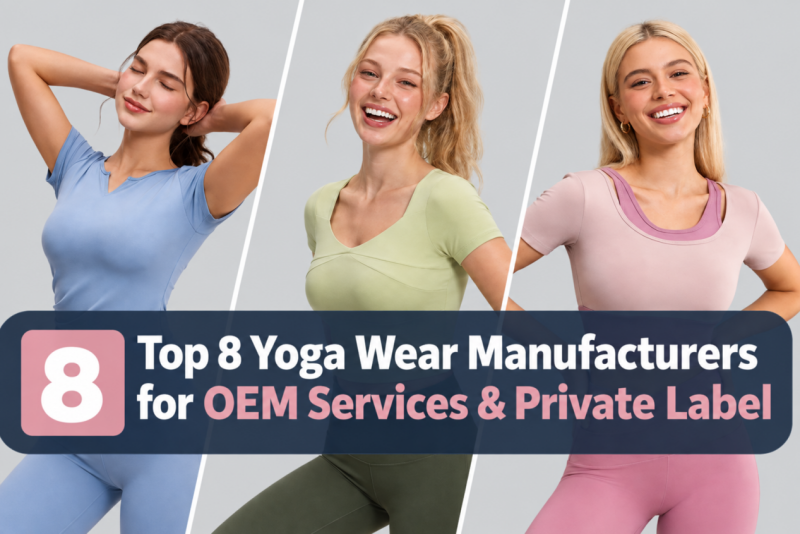
Finding a dependable apparel supplier requires more than reviewing catalogs or comparing prices. Procurement teams evaluating custom yoga skirts should assess manufacturing capability, quality systems, production flexibility, and communication standards before placing commercial orders. A structured supplier review helps reduce sourcing risks while supporting stable product quality and long-term business growth.

Production Capability for Custom Sports Skirts
OEM buyers should begin by reviewing a factory’s production capacity and technical resources. Stable manufacturing processes support consistent output across different order volumes while minimizing delays during seasonal demand increases.
Factories with integrated production workflows often manage material sourcing, cutting, sewing, finishing, and packaging under coordinated quality procedures. This approach helps reduce communication gaps between development and manufacturing teams.
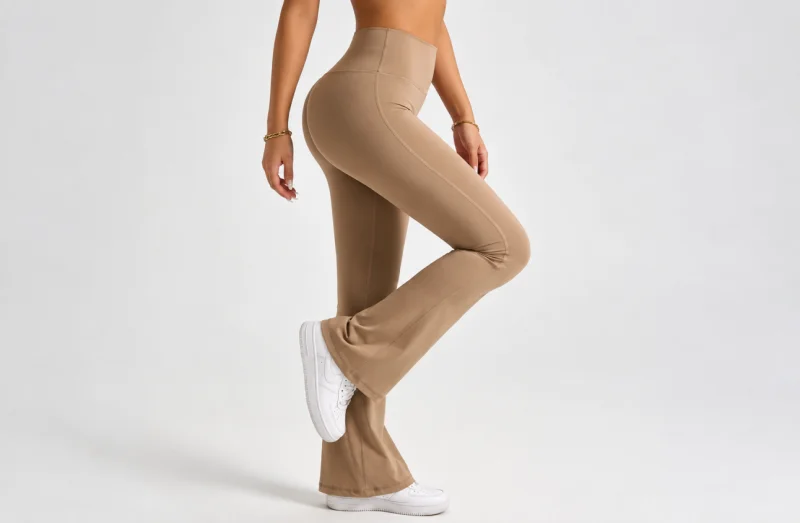
When product lines expand beyond yoga collections, many retailers also source custom sports skirts from the same manufacturing partner. Consolidating similar categories can improve production planning and simplify inventory management across multiple collections.
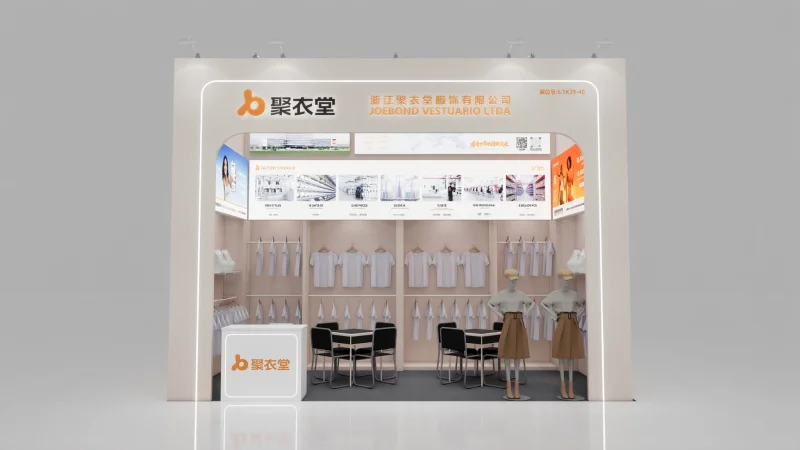
Our vertically integrated manufacturing model enables us to coordinate every major production stage efficiently. Joebond supports OEM and ODM projects through connected supply chain management, helping buyers streamline sourcing from raw textiles to finished apparel.
Material Standards Support Long-Term Performance
Fabric quality directly affects comfort, durability, and customer satisfaction. Buyers should verify fiber composition, stretch recovery, color consistency, and moisture management before approving production materials.
Reliable suppliers normally provide fabric specifications and development samples that allow brands to evaluate appearance, hand feel, and construction before bulk manufacturing begins. Early testing reduces unnecessary revisions later in production.
A commercial collection benefits from balanced material weight that supports movement without sacrificing durability. Appropriate fabric density also helps garments maintain their appearance after repeated washing and regular wear.
Retail brands frequently develop custom yoga skirts using fabrics tailored to specific market requirements. Material customization allows collections to meet regional preferences while maintaining dependable manufacturing consistency.
Quality Control Throughout Manufacturing
Quality assurance should extend beyond final inspection. Effective factories monitor production at multiple stages, including fabric inspection, pattern verification, sewing accuracy, finishing, and packaging.
Measurement consistency plays an important role in customer satisfaction. Stable sizing across production batches helps reduce product returns while strengthening retailer confidence in repeat purchasing programs.
Well-documented inspection procedures also improve traceability if adjustments become necessary during production. Clear records support efficient communication between buyers and manufacturing teams throughout each project.
Our production teams maintain coordinated quality reviews across every manufacturing stage. Joebond emphasizes process consistency because dependable quality supports stronger long-term partnerships with retailers and private-label brands.
Supplier Communication and Development Support
Efficient communication can shorten development timelines and reduce costly misunderstandings. Buyers should confirm how suppliers manage sampling feedback, production updates, technical documentation, and order revisions.
Technical discussions become especially valuable during new product development. Manufacturing specialists can recommend construction improvements that preserve garment performance while simplifying production efficiency.
Many growing apparel businesses request custom sports skirts alongside yoga collections to expand seasonal offerings. Coordinated product development across multiple categories creates greater consistency in fit, branding, and material selection.
Reliable communication also contributes to predictable delivery schedules. Clear production milestones allow purchasing teams to coordinate inventory planning with marketing activities and retail launch calendars.
Customization Options for Private Label Growth
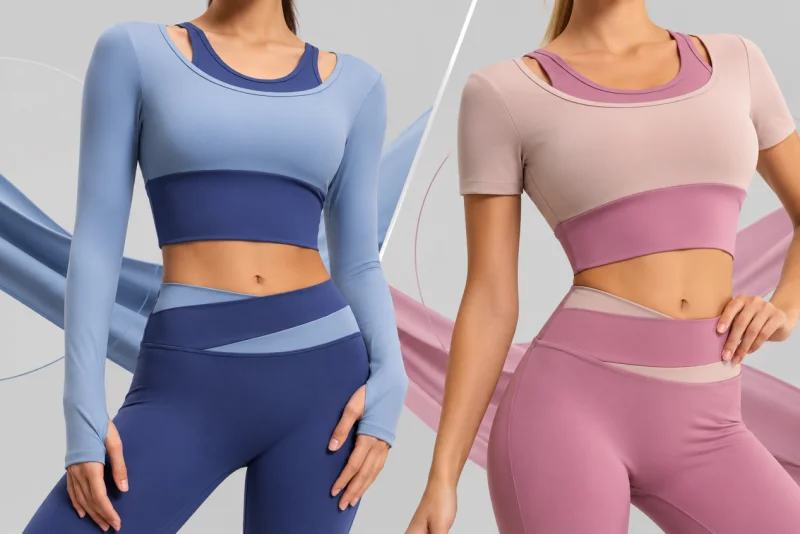
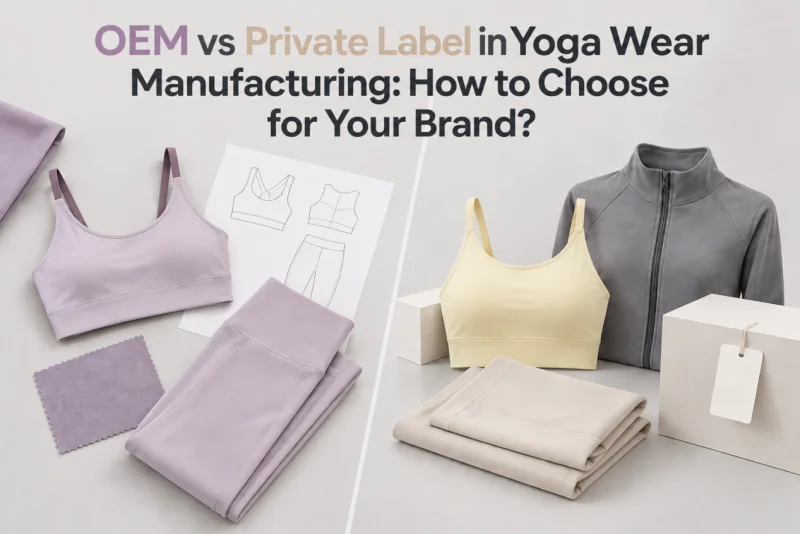
Private-label brands often require flexible customization to establish a recognizable product identity. Manufacturers should support custom labels, packaging, logos, hangtags, sizing specifications, and fabric options without disrupting production quality.
OEM buyers also benefit from pattern development capabilities that accommodate different regional sizing standards. Consistent grading improves customer satisfaction while reducing unnecessary exchanges across international markets.
Collection planning frequently includes color variations and seasonal updates. Production partners with organized sampling procedures can support product refreshes while maintaining construction consistency across multiple releases.
As manufacturing requirements evolve, custom yoga skirts can incorporate customized trims, branding elements, and packaging without changing the overall production workflow. Flexible development helps retailers respond efficiently to market opportunities.
Building Reliable Long-Term OEM Partnerships
Long-term cooperation depends on more than competitive pricing. Buyers should evaluate production stability, quality management, transparency, and responsiveness when comparing potential manufacturing partners.
Consistent delivery performance helps retailers maintain inventory availability while reducing supply interruptions during important sales periods. Predictable manufacturing schedules also improve purchasing confidence for repeat orders.
We believe long-term cooperation grows through practical communication, dependable production, and continuous process improvement. Joebond works with wholesalers, retailers, sportswear brands, and private-label companies seeking integrated OEM and ODM manufacturing support.
Before confirming a supplier relationship, procurement teams should review technical capabilities, quality procedures, and development resources alongside commercial terms. A thorough evaluation creates stronger foundations for sustainable business growth while supporting future product expansion.
A comprehensive supplier checklist helps apparel buyers reduce sourcing uncertainty while improving long-term product consistency. Businesses reviewing custom sports skirts should also evaluate manufacturing integration, technical expertise, and quality assurance systems. Combining those factors with reliable communication creates a stronger sourcing strategy for expanding product lines, including custom yoga skirts, across competitive global markets.