The handoff from sample to bulk is where custom yoga leggings either become a repeatable program or begin to drift. Production on our side protects the approved fit by carrying fabric recovery, opacity, waistband behavior, seam placement, grading, and construction requirements forward as production controls rather than treating the sample as a visual reference alone.
The approved garment travels with measurable specifications: fabric identification, dimensions, construction notes, color standards, branding files, tolerances, inspection points, and packing instructions. Each department receives the information needed for its stage, reducing dependence on memory or informal messages.
Approve the Sample Against Functional Checkpoints
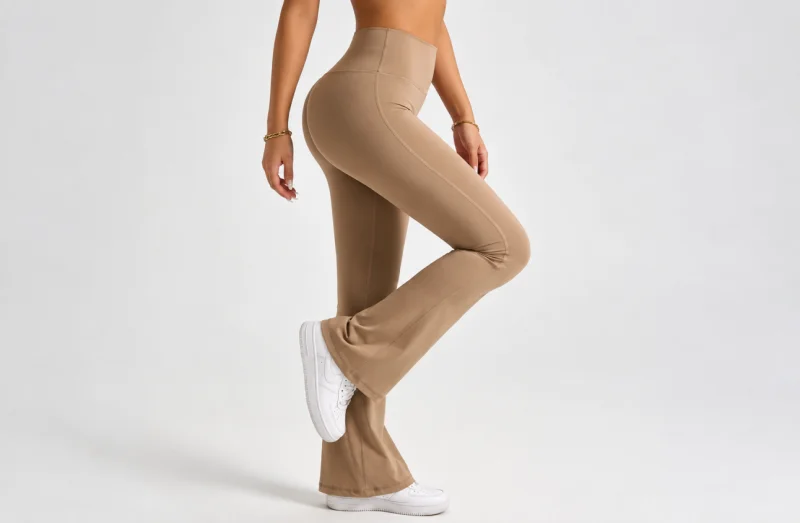
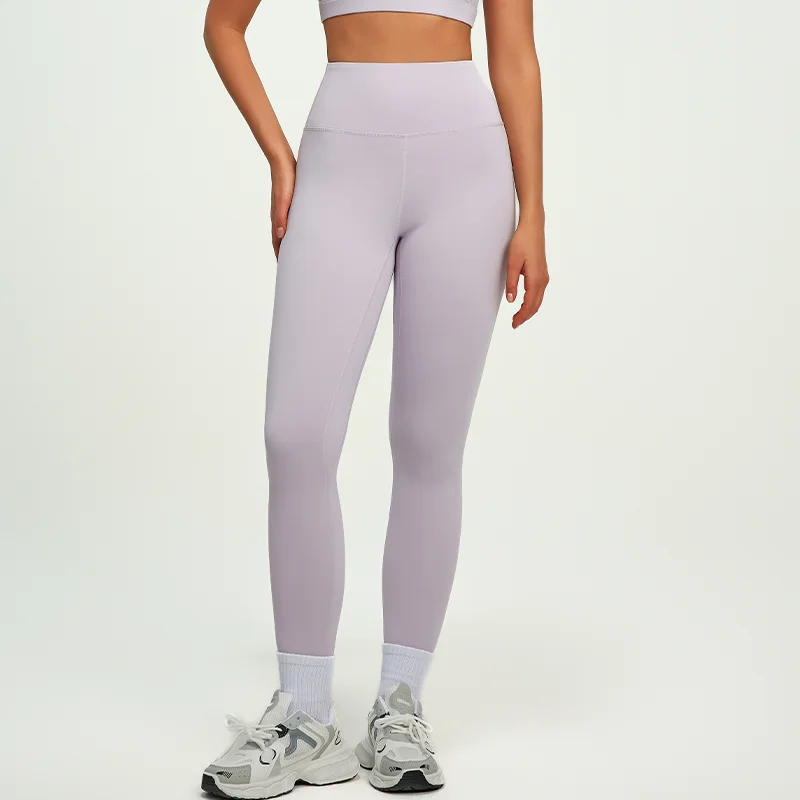
For custom women yoga leggings, we review more than appearance. The MT20 reference style uses a high waist, close fit, stretch fabric, and contour-oriented shaping, so our sample checks also cover movement, recovery, opacity, waistband stability, seam comfort, and the position of shaping details.
Buyers working with similar silhouettes should assess waistband height, waistband roll, coverage in deep stretch, fabric recovery, seam comfort, hand feel, and whether the garment remains balanced during walking, bending, and training movements.
Practical movement tests include squatting, bending, stretching, and repeated waistband extension because a static fit check cannot reveal every functional issue. We also watch for rolling, gaping, seam pressure, fabric whitening, or loss of recovery so the approval reflects how the leggings behave in use.
Fit comments should be converted into measurable pattern revisions before approval. Changes to rise, hip, thigh, inseam, ankle opening, or waistband tension need numerical instructions or marked pattern adjustments. That record allows the manufacturer to grade the final shape more reliably across sizes.
Waistband construction should be evaluated under repeated movement because it carries much of the customer’s perception of security. Buyers can check whether the top edge rolls, whether internal layers shift, and whether the waistband returns to shape after stretching.
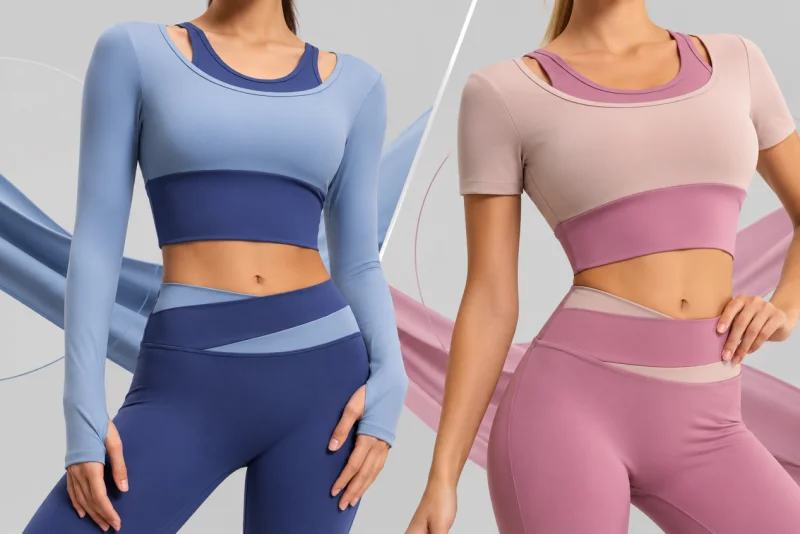
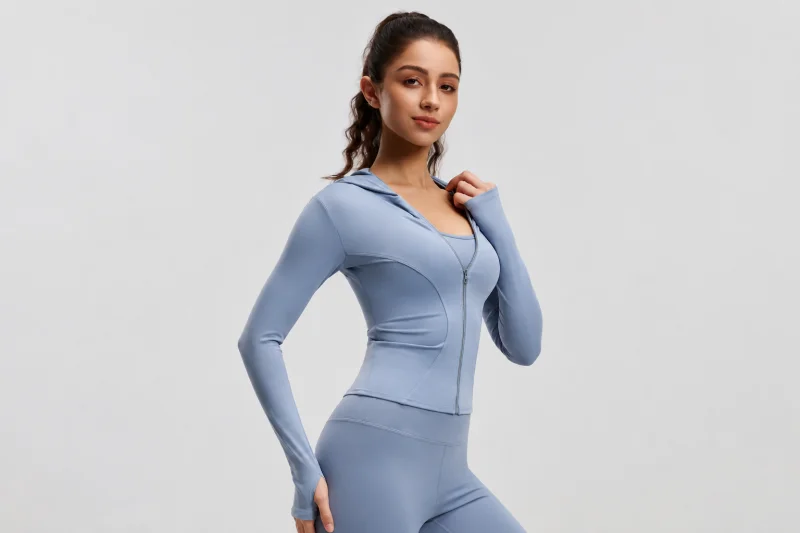
If a hidden pocket or bonded detail is added, the sample should be retested because extra layers can change elasticity and pressure. Set-level review can compare the sample with the intended top or bra to confirm that waistband height, color, and surface finish work across the retail assortment rather than only on a standalone garment.
Lock Materials, Branding, and Size Grading Before Cutting
The pants program includes nylon, polyester, spandex blends, seamless constructions, brushed fabrics, ribbed textures, and sustainability-oriented options. After sample approval, changing materials without review can alter stretch, recovery, thickness, and sewing behavior. Bulk production therefore follows the agreed textile specification and color standard unless a controlled change is approved.
Branding for custom yoga leggings can include logos, labels, printed patterns, embroidery, hangtags, or customized packaging. The production file should contain artwork size, color, position, and technique. A logo placed near a high-stretch area should be checked on-body because its appearance may change when the garment is worn even if the flat measurement is correct.
Size grading needs its own sign-off when the commercial range is broad. Larger and smaller sizes should preserve the intended rise, waistband proportion, compression level, and leg shape rather than simply expanding every measurement by the same amount. Selected graded samples can help verify that the approved base size translates properly.
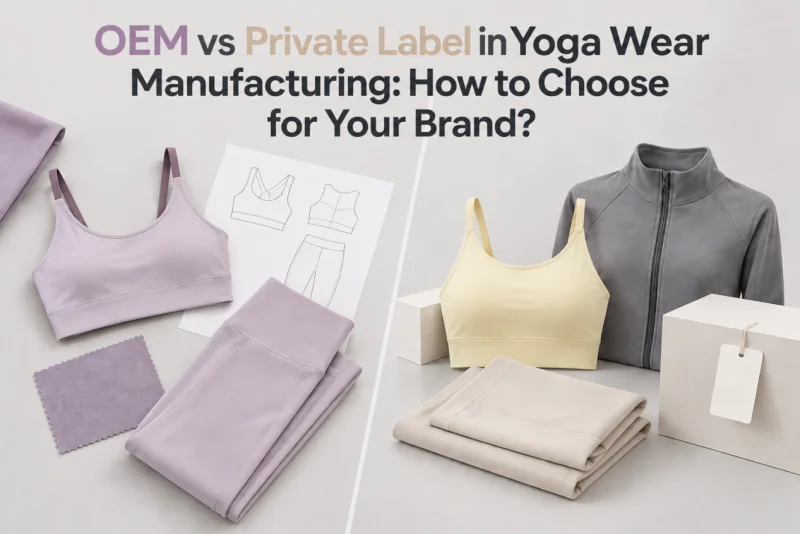
Our Joebond yoga-pants workflow combines pattern development, sample approval, customized logos and labels, bulk manufacturing, and inspection. We use that integration to translate the approved sample into controlled production records and reduce handoffs where fabric codes, artwork files, or measurement updates might be misunderstood.
Pre-production confirmation should verify that the bulk fabric, thread, labels, and artwork match the approved references, because even small substitutions can alter hand feel or appearance in a close-fitting legging.
Carry the Approved Standard Through Bulk Production
Bulk control begins before sewing. Fabric inspection, shade grouping, cutting accuracy, seam settings, measurement checks, branding verification, and final packing all affect consistency. Our pre-shipment checks at Joebond include quality inspection and align critical measurements and visual points with the buyer’s acceptance standard.
Production timing should leave room for corrective action. If a first in-line check finds waistband variation or a branding problem, our production team needs enough schedule margin to correct the issue before the entire quantity is finished. A realistic timeline protects both inspection quality and the agreed delivery plan.
The custom women yoga leggings approved at sample stage are represented in bulk by measurable fabric, fit, artwork, tolerance, and packing requirements. Our production handoff keeps those elements connected to the same accepted standard so a later order can expand quantity without reinterpreting the garment.
Shade consistency deserves attention when leggings are sold with matching bras or tops. Two fabrics can use the same color reference yet appear different because of fiber type, texture, or finish. A coordinated set should be reviewed side by side under the same lighting, with acceptable shade variation defined before bulk production rather than after separate garments are packed.
For replenishment, only the variables that actually change need another approval cycle. A new color, material source, or artwork treatment can be isolated and retested while the established fit and construction continue to guide production.