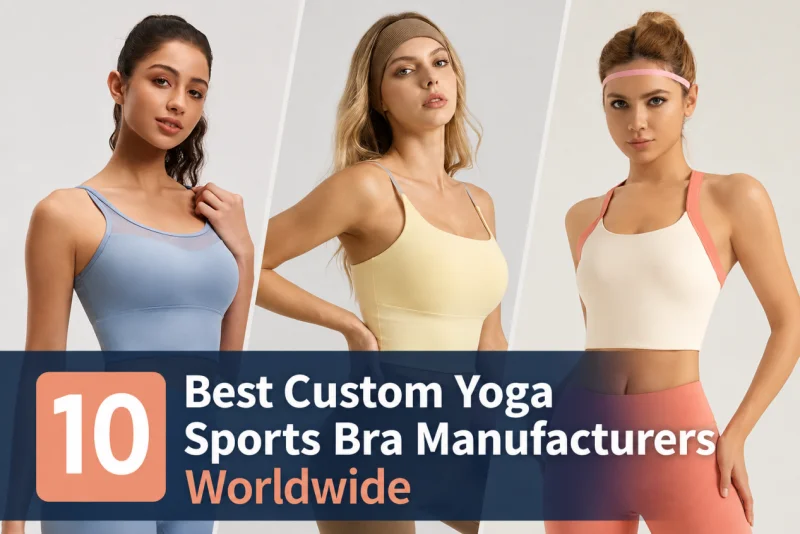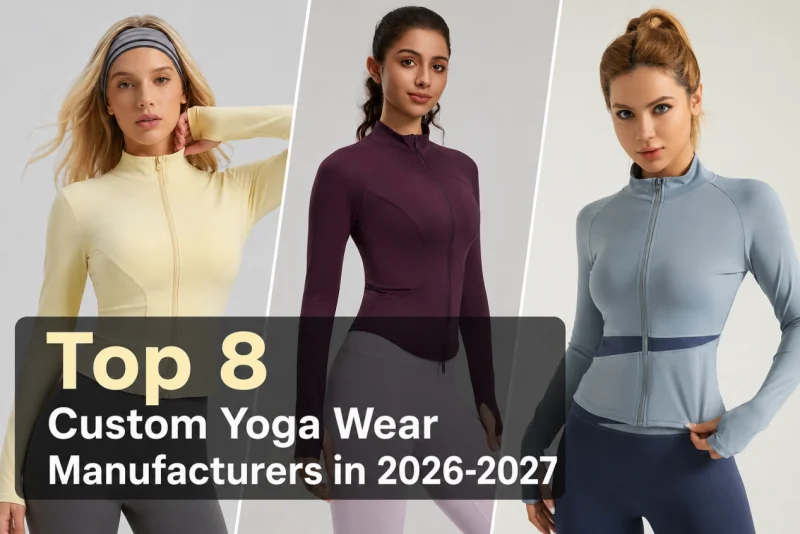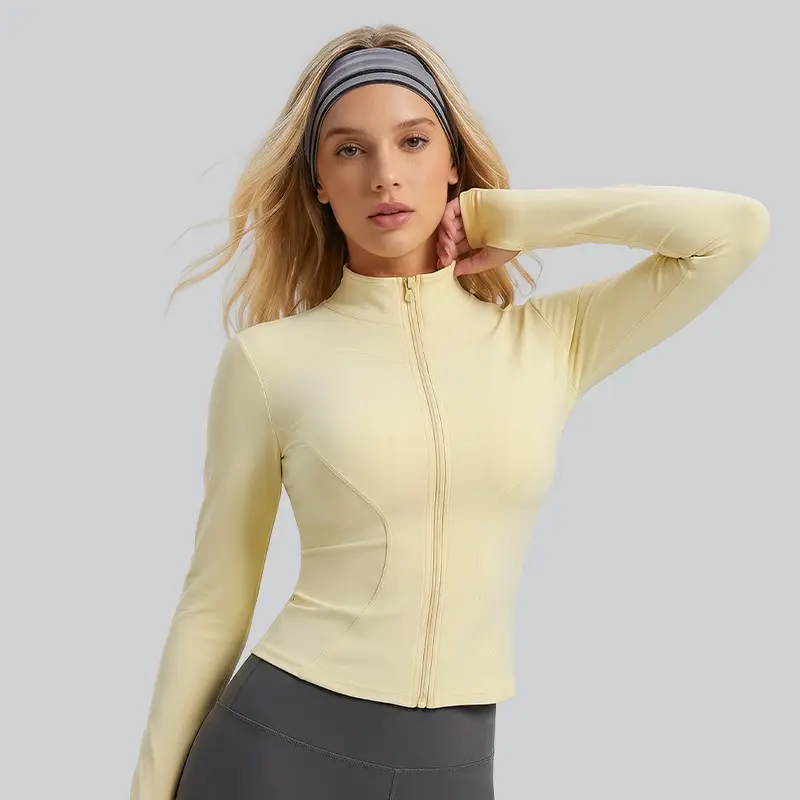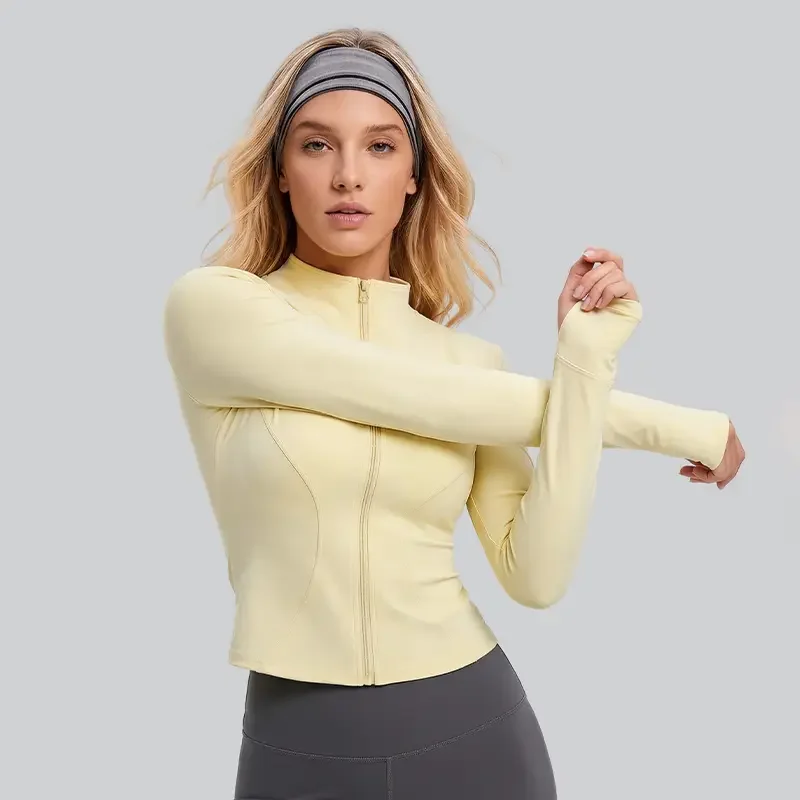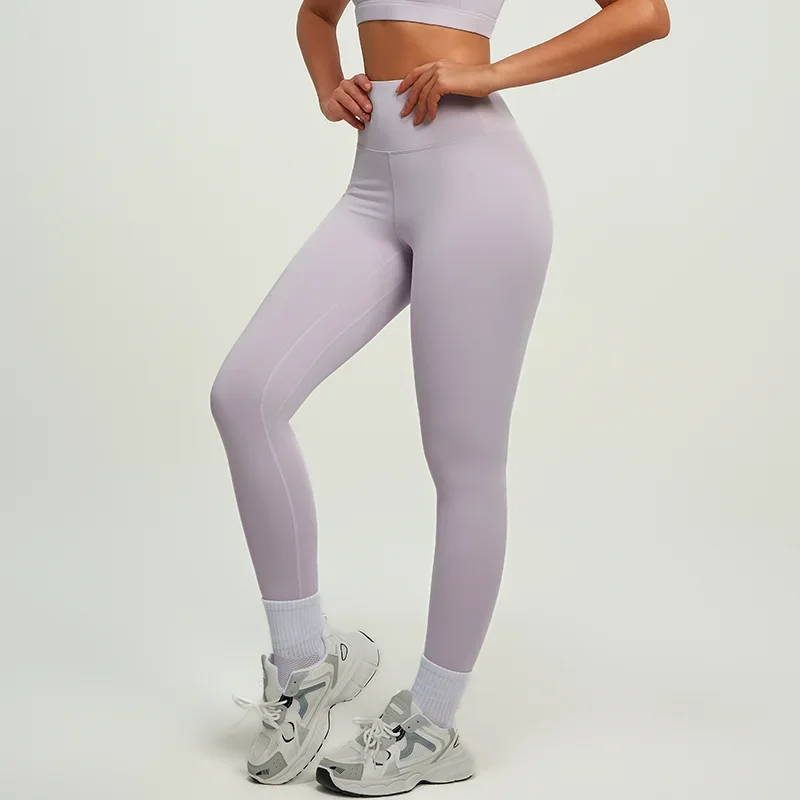
Launching or scaling a yoga apparel line comes down to one decision: who makes your product. With the global activewear market projected to grow from $345.79 billion in 2025 to $720.25 billion by 2034 at an 8.57% CAGR (Fortune Business Insights), the brands that secure capable manufacturing partners now will capture that growth. Pick the wrong partner, and you inherit late shipments, inconsistent stitching, and margins eaten by rework. Pick the right one, and custom yoga pants become a growth lever instead of a bottleneck. This guide walks through what to evaluate when comparing custom yoga pants manufacturers and yoga pants suppliers, and how JoeBond approaches OEM (original equipment manufacturing) and ODM (original design manufacturing) production for brands at different stages.
Why Do Brands Struggle to Find a Reliable Custom Yoga Pants Manufacturer?
Most sourcing problems trace back to one root cause: suppliers that promise flexibility but cannot actually scale production without sacrificing lead time or quality. A factory built for small trial runs often cannot handle a 50,000-unit reorder on the same terms. As a result, brands get stuck switching manufacturers mid-growth, which resets tooling, sampling, and quality baselines.
This matters because yoga pants sourcing is time-sensitive by nature. Retail buyers set fixed delivery windows, and influencer-driven demand spikes can double order volume within a season. Therefore, the manufacturer’s ability to hold both speed and consistency — not just one or the other — determines whether a brand can commit to those windows.
What Happens When You Choose the Wrong Yoga Pants Suppliers?
The consequences show up in three predictable ways:
- Missed launch dates— bottlenecks in fabric sourcing or pattern approval delay bulk production.
- Inconsistent sizing— factories without standardized pattern-making produce fit drift across batches.
- Hidden cost creep— rework, air freight to cover delays, and re-sampling add expenses that were never quoted upfront.
What Should You Look for in Custom Yoga Pants Manufacturers?
The right manufacturer should be evaluated on four criteria: fabric performance, production capacity, customization depth, and delivery reliability. Brands that assess suppliers only on unit price tend to discover the real cost later, in returns and delays.
How Do Fabric and Fit Affect Product Quality?
Fabric selection determines whether yoga pants hold shape through repeated stretching, washing, and movement. A fabric that looks fine on a sample table can turn sheer under a squat or lose recovery after a few wash cycles. Because of this, brands should confirm which fabric families a supplier stocks — nylon-spandex, polyester-spandex, seamless, or brushed constructions — before committing to a design.
Why Does Production Capacity Matter as You Scale?
Capacity determines whether a manufacturer can grow alongside your order volume instead of becoming the limiting factor. A supplier suited for a 500-unit test order will not necessarily handle a 50,000-unit wholesale reorder within the same timeline. As a result, brands planning for retail distribution or multi-season growth should confirm a factory’s daily output and in-stock inventory upfront, not after the first reorder stalls.
| Evaluation Criteria | What to Ask a Supplier | Why It Matters |
| Fabric range | Which blends and finishes are in stock? | Affects opacity, stretch recovery, durability |
| Daily/annual capacity | What is the realistic output at scale? | Determines reorder speed as demand grows |
| Customization depth | What branding and pattern options exist? | Determines how differentiated the product can be |
| Lead time guarantees | Is there compensation for late delivery? | Protects retail launch and reorder timelines |
Who Is JoeBond, and How Does It Approach Custom Yoga Pants Production?
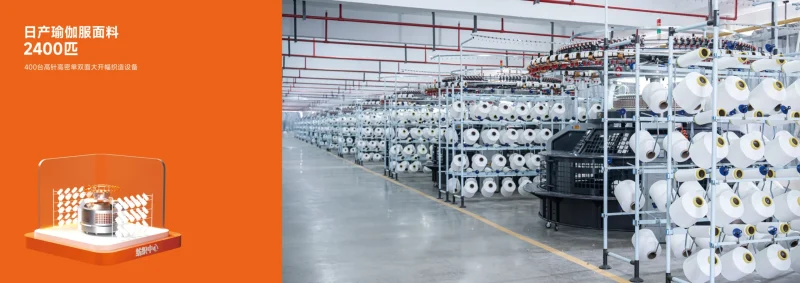
JoeBond is a yoga wear manufacturer based in Pujiang County, Zhejiang, China, built around a chain-oriented model that integrates R&D, textile manufacturing, production, and sales under one operation. This structure is the direct answer to the capacity and consistency problems outlined above: instead of coordinating separate fabric mills, cut-and-sew shops, and finishing vendors, JoeBond controls the process from raw material through final packaging.
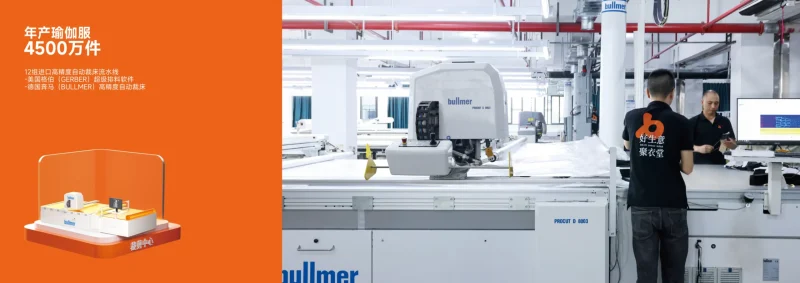
The company maintains an annual production capacity of 45 million yoga garments and keeps 8 million pieces in ready stock, which allows orders to ship immediately rather than waiting on a full production cycle. For custom yoga pants specifically, JoeBond follows a six-stage process: design consultation, fabric selection, pattern making and sample development, custom printing and branding, bulk production, and quality inspection before delivery.
What Customization Options Are Available?
Brands can customize logo printing, embroidery, woven labels, hang tags, packaging, fabric selection, color matching, and style modifications. This range means a private-label brand can move from a reference sketch to a fully branded product line without outsourcing pieces of the process to separate vendors.
How Fast Can Orders Ship?
Delivery timelines are fixed to order size: orders of 10,000 pieces ship in 7 days or less, and orders of 50,000 pieces ship in 15 days or less. If a shipment misses that window, JoeBond compensates for the late delivery, which shifts the delivery risk away from the buyer.
| Order Volume | Maximum Lead Time | Late Delivery Terms |
| 10,000 pcs | ≤ 7 days | Compensation applies |
| 50,000 pcs | ≤ 15 days | Compensation applies |
| In-stock items (8M pcs) | Immediate | N/A |
How Does a Full Industry-Chain Partner Reduce Cost and Risk?
A full industry-chain layout reduces cost because it removes the markup and delay that comes from coordinating multiple external vendors. When fabric sourcing, cutting, sewing, and finishing happen inside one operation, there is no handoff delay between suppliers and no separate profit margin added at each stage.
JoeBond pairs this structure with consultative service throughout sourcing, which the company states can save brands 20% on total program cost while giving buyers full visibility into the process. For example, a brand testing a new custom yoga pants manufacturer for the first time can lean on this consultation to avoid the fabric or pattern mistakes that typically surface only after bulk production has already started.
- Fabric sourcinghappens in-house, cutting procurement delays.
- Pattern and sample developmentis reviewed before bulk cutting begins, reducing fit errors.
- Quality inspectionoccurs at each production stage, not only at final packing.
- Consultative supporthelps brands avoid costly design or fabric mismatches early.
Conclusion: How Do You Start a Custom Yoga Pants Program?
Start by evaluating a manufacturer against the same four criteria outlined above: fabric performance, production capacity, customization depth, and delivery reliability. A manufacturer that can show verifiable numbers against each — not just marketing claims — is the one worth building a long-term program with.
For brands ready to move forward, JoeBond’s manufacturing capabilities combine ready-to-ship inventory, fixed delivery windows with compensation guarantees, and an integrated supply chain designed to support both first orders and large reorders without switching suppliers mid-growth.
The fastest way to evaluate a manufacturer is to see the product firsthand. JoeBond offers complimentary sample packs for brands reviewing fabric options, fit standards, and branding quality. Contact the team to request yours. No purchase commitment required.
If you are building a full collection, you can also explore JoeBond’s production capabilities for custom yoga skirts and custom sports jackets.