A leggings collection can look consistent on a product board yet vary when customers try it on. Small differences in waist height, gusset construction, seam strength, or fabric response can change comfort and fit. For retailers, quality control begins with a repeatable review process covering the garment, branding, and production route.
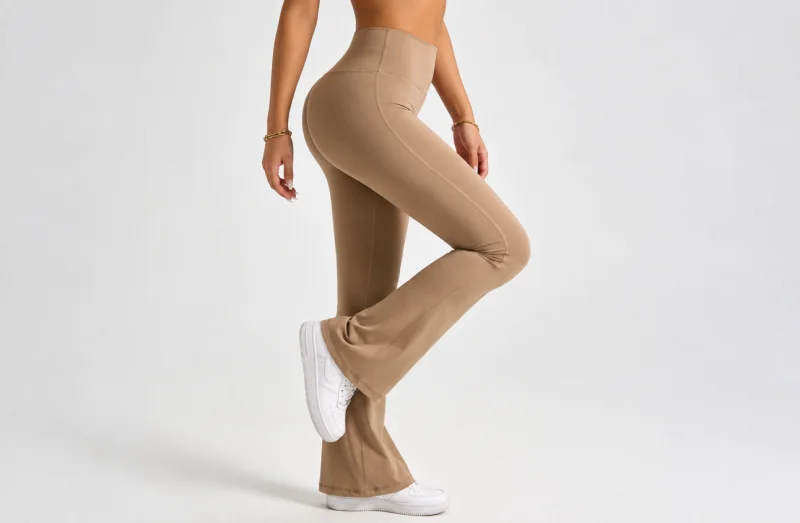
We develop custom yoga leggings for activewear businesses through OEM and ODM services. The MT20 design combines a high-waisted, body-contouring silhouette with soft four-way stretch fabric, a seamless fit, tummy-control construction, and a butt-lifting shape. This checklist helps buyers assess samples and bulk orders with practical criteria.
Confirm the silhouette and measurements
Start with the shape the customer should experience. MT20 is described as a high-waisted legging with a body-contouring fit. Check waist height, rise, hip line, thigh width, inseam, and ankle opening against the approved size chart. Measurements should remain consistent across colors and size grades.
A high-rise waistband should sit securely without excessive pressure. Compare the front and back rise, then review how the waistband meets the side seams. If the collection includes cropped or full-length options, record each length separately instead of treating all leggings as one pattern.
Our pattern team can work from sketches, physical samples, or tech packs. Sample comments should identify points such as waist width or inseam, so revisions remain easy to track.
Review fabric and coverage
MT20 uses soft, four-way stretch fabric described as skin-friendly and moisture-wicking. During inspection, check stretch response in the waistband, leg panel, and gusset. The fabric should follow the approved silhouette when worn for yoga, training, running, or daily activities.
Coverage is another practical checkpoint. The product description identifies a squat-proof design. Review the garment during deep bends and extensions, paying attention to the seat, gusset, and inner thigh. Test light and dark colorways separately because appearance can change when fabric is under tension.
Breathability and quick-drying performance are listed among the collection’s fabric characteristics. The approval sample remains the reference for the selected material, color, and construction.
Inspect the garment components
A legging is made from several connected parts. The waistband provides support and a secure fit. The leg panel shapes the silhouette, while the gusset allows movement and reduces pressure during active poses. Check that these components align smoothly and that no area pulls when the wearer bends.
Seams and stitching deserve close attention. The product information identifies strong stitching and flatlock seams as construction options that can improve durability and reduce friction. Inspect seam alignment, thread consistency, and panel transitions. A clean finish should appear inside as well as outside.
Review the ankle opening for a comfortable finish. MT20 is presented as a full-length style, while the wider program supports full-length, cropped, and compression designs. Keep the selected length and opening specification in the production brief.
Check branding and private-label execution
Brand presentation should be evaluated with the same care as fit. Our OEM service supports logos, labels, packaging, and customized details. Review logo size, position, color, and edge clarity on the actual garment. Waistbands, hips, and ankle areas may require different placement decisions.
For yoga leggings for women, a private-label collection can include woven labels, printed marks, hangtags, or custom packaging. Record approved artwork and label information with the size chart. This keeps branding consistent when several colors or silhouettes are produced together.
Ask the sampling team to show the decoration on the chosen fabric. A mark may look different on a smooth panel, brushed surface, or ribbed texture. Reviewing the physical sample gives the buyer a reliable basis for approval.
Set checkpoints for bulk production
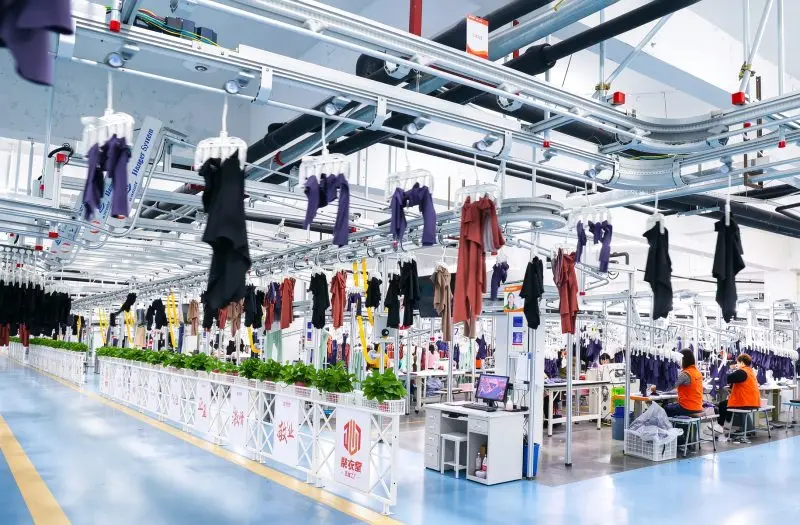
Quality review should continue after sample approval. Our manufacturing process includes pattern making, sample development, bulk production, and inspection before shipment. Buyers can define checkpoints for measurements, fabric performance, stitching, logo accuracy, and packaging.
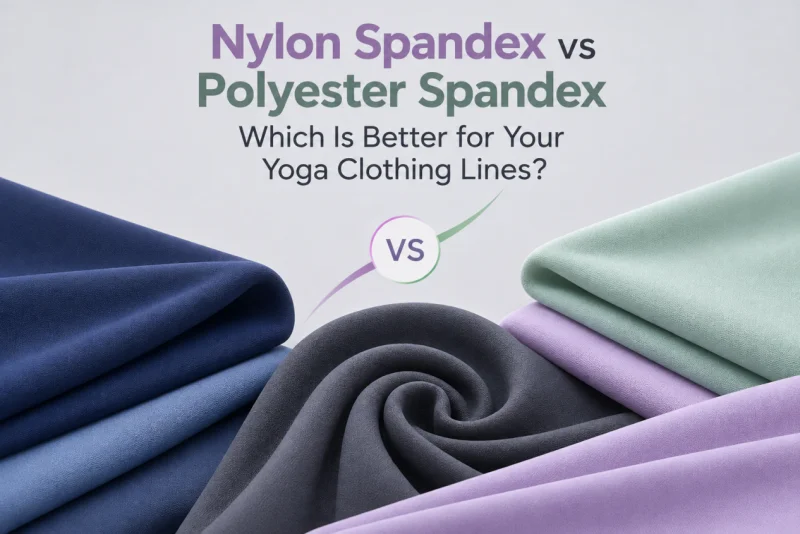
The pants program supports nylon, polyester, and spandex blends, as well as seamless, brushed, ribbed, and eco-friendly options. When a material is approved, record its name, color reference, and intended style. A different fabric can change stretch, surface appearance, and fit.
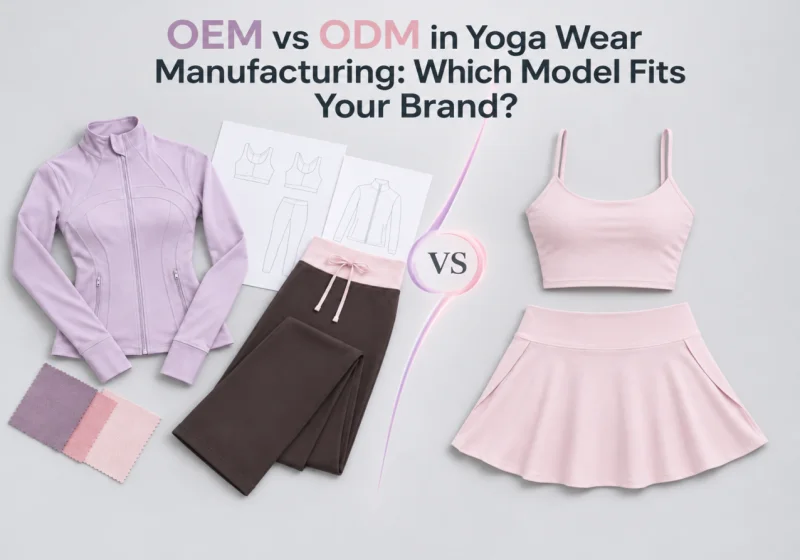
Our OEM and ODM workflow supports small-batch trials and larger wholesale orders. A retailer can review a limited run before extending a style to more colors or sizes. This staged approach creates space for feedback while keeping the collection aligned with demand.
Connect capacity with delivery
Production capability affects launch and replenishment schedules. The OEM information lists a low starting quantity of 10 pieces per color per style. For larger programs, the stated schedule lists up to 10,000 pieces within seven days and 50,000 pieces within 15 days, subject to the confirmed order plan.
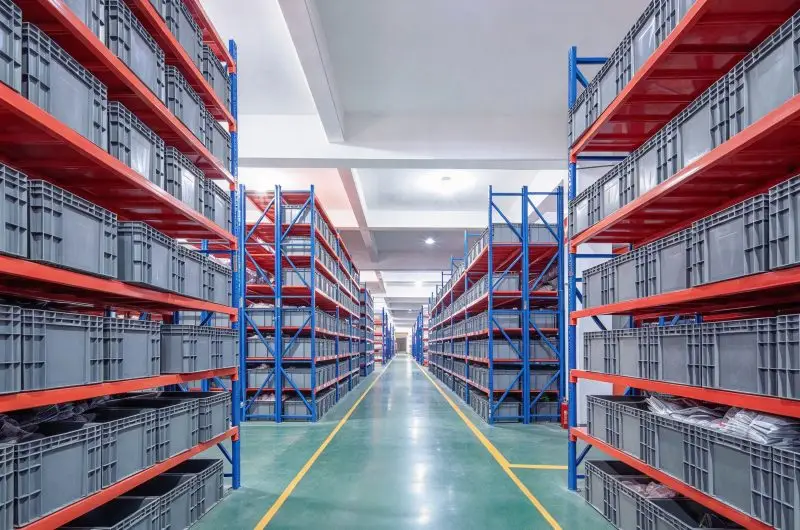
Ready-stock capacity is also listed at eight million pieces available year-round. A buyer can compare a custom pattern with stocked styles when a campaign needs faster assortment support. The choice depends on the launch calendar, size depth, color quantity, and reorder cycle.
Account managers track order progress, and sea and air shipping are available worldwide. Keeping inspection results, packing instructions, and shipping details in one project record helps the buyer follow the order to warehouse receipt.
Final checklist before approval
Before releasing a purchase order, review the size chart, high-waist placement, rise, gusset, seams, ankle opening, fabric, opacity, stretch, logo, labels, packaging, quantity, inspection points, and shipping plan. Compare the production sample with this list and record accepted changes.
Joebond combines pattern development, material selection, branding, production, quality inspection, and delivery within one OEM and ODM route. For buyers evaluating a yoga leggings program for women, this connected process can make quality decisions easier to document and repeat. The same approach supports custom yoga leggings when a collection expands into new sizes, colors, or silhouettes.