Sizing and fit influence how customers judge an activewear collection after the first try-on. A waistband that shifts, an inseam that feels short, or a leg opening that changes the silhouette can affect returns and repeat purchases. Retailers planning custom yoga pants need a fit process connecting measurements, fabrics, patterns, and production review.
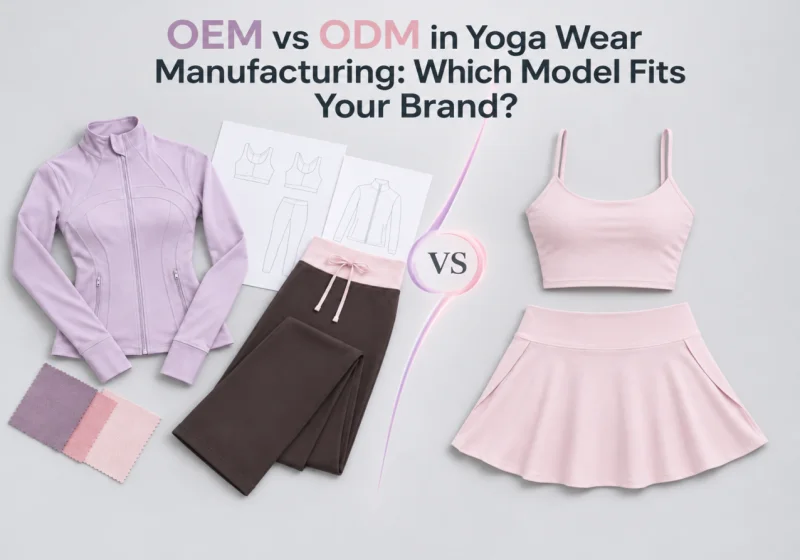
We develop yoga and workout bottoms for brands, gyms, studios, and retailers through OEM and ODM services. Our workflow links design consultation, fabric selection, pattern making, sampling, branding, bulk production, inspection, and delivery. This guide explains how to build a sizing plan before ordering.
Give every silhouette a clear role
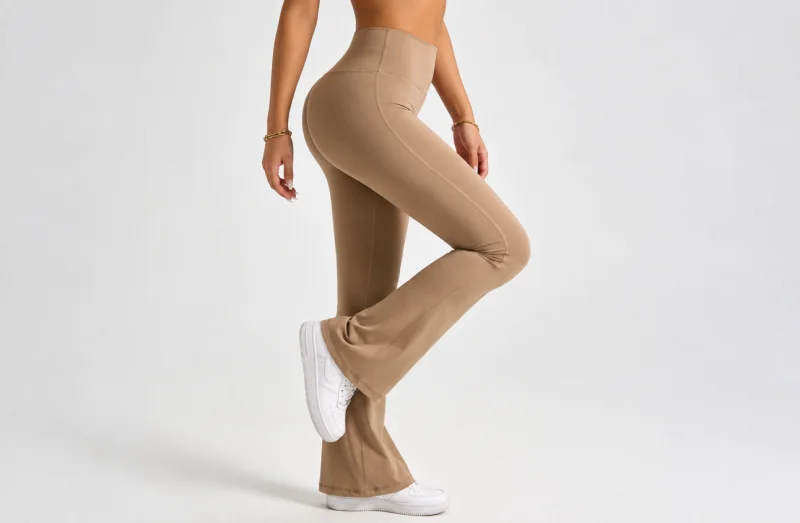
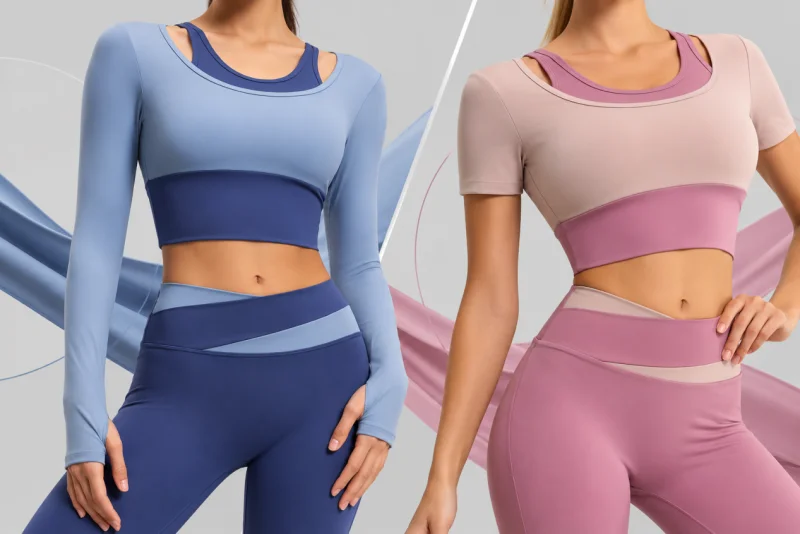
Fit decisions become easier when each style has a defined purpose. Our pants range includes straight-leg pants, yoga leggings, 2-in-1 pants, flared styles, mesh-panel leggings, side-pocket designs, skirt-overlay leggings, and quick-dry options. These silhouettes address different preferences and create different measurement priorities.
A full-length legging calls for attention to waist height, hip fit, rise, inseam, thigh, and ankle opening. Straight-leg pants need a consistent lower-leg line. Flared yoga pants require a balanced flare position, while 2-in-1 styles involve an outer layer and inner component that work together.
Start the brief with the activity and customer scenario. Yoga, Pilates, gym training, running, and everyday activewear can involve different expectations for support, ease, and length. State whether the collection should feel close to the body, relaxed, or suitable for layering.
Build measurements for the target market
A size label can represent different measurements in different markets. Our service supports standard size ranges and customized size charts. Buyers can provide preferred measurement systems and grading rules during consultation.
A useful chart can include waist, hip, rise, inseam, thigh, and leg opening measurements where relevant. For leggings, the relationship between waist and hip measurements influences movement comfort. For straight-leg and flared styles, lower-leg measurements shape the outline.
Keep measurement language consistent across the collection. If one style uses body measurements and another uses garment measurements, identify the difference in the technical brief. The planned size range should reflect customer demand and inventory goals.
Pair fabric behavior with the pattern
Material choice affects how measurements translate into wear. Our pants collection features four-way stretch fabrics, moisture-wicking properties, and flattering fits. Finished fit also depends on pattern shape, seam construction, and fabric selection.
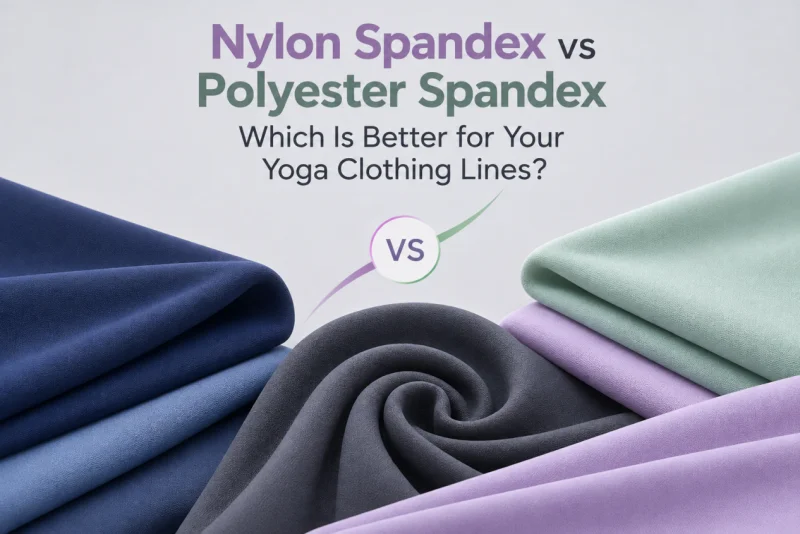
Available routes include nylon, polyester, and spandex blends, along with seamless constructions, brushed materials, ribbed textures, and eco-friendly options. A close legging may need a different material discussion from a loose straight-leg pant or mesh-panel design.
When reviewing samples, compare fabric stretch and recovery with the size chart. A flexible fabric may support a closer fit, while a structured option may call for additional ease. Testing swatches with one pattern helps show how measurements behave across materials.
Use samples to test movement
Our pattern-making and sample-development process creates a physical reference before bulk manufacturing. During approval, buyers can review waistband height, rise comfort, seam placement, pocket position, length, and the balance between support and mobility.
Movement checks should reflect the customer’s routine. Ask fit models to bend, stretch, walk, and sit. Review whether the waistband rolls, whether the fabric becomes overly transparent, and whether pockets remain practical. These observations can guide pattern revisions.
For wholesale yoga pants, sample review can compare several silhouettes under one measurement system. A high-waisted legging, straight-leg pant, and flared style may share size logic while keeping different proportions.
Branding should be reviewed on the sample. Our services support logo printing, embroidery, woven labels, hangtags, packaging, and customized details. Logo scale and position can be checked on each silhouette because pockets and panels affect visual balance.
Connect production capacity with fit control
A sizing plan has commercial value when a supplier can reproduce it consistently. Our OEM and ODM process covers design consultation, fabric selection, pattern making, sample approval, custom branding, bulk production, quality inspection, packaging, and delivery.
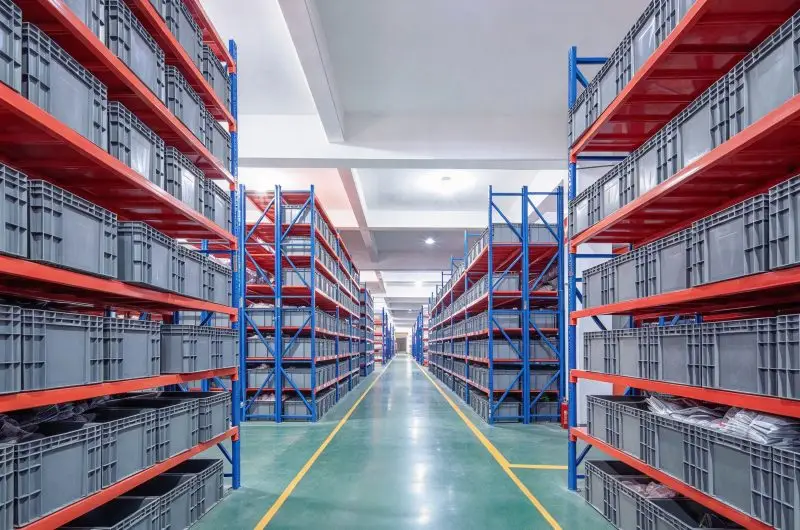
The pants program supports small-batch production and large wholesale orders. A retailer can test a new fit or fabric before expanding the range. A proven core style can move into a larger run, while a seasonal design remains at a controlled quantity.
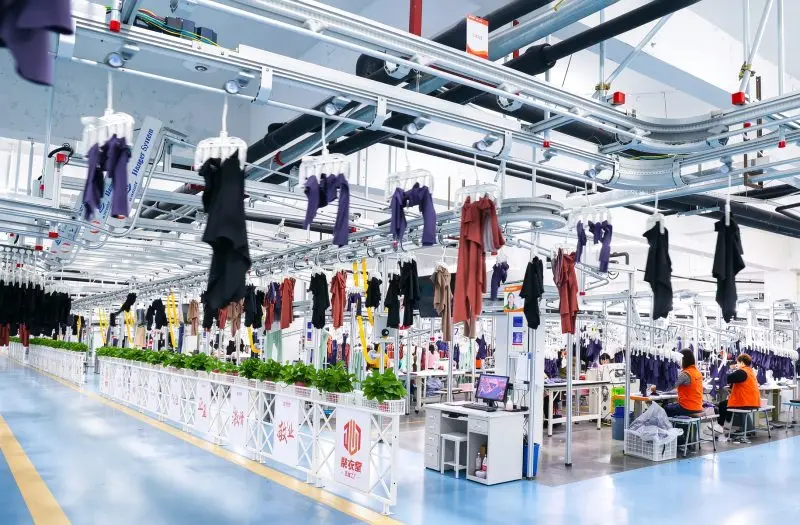
Quality review continues during manufacturing. Each product undergoes strict checks before shipment, covering construction and overall finish. Recording approved measurements, fabric, colors, logo artwork, labels, and packaging instructions gives the production team a shared reference.
Plan logistics and replenishment
Sizing information should remain consistent from the pattern file to the label and packing list. Our service supports private labels, customized packaging bags, hangtags, barcode stickers, branded boxes, and recyclable packaging options.
Worldwide delivery support is available through sea and air shipping. Account managers can track order progress and coordinate production updates, packaging preparation, and dispatch. This helps when a collection includes several colors, sizes, or related bottom styles.
When comparing a pants supplier, look beyond the unit quotation. Ask how the partner handles pattern revisions, sample approval, quality checks, branding, packaging, and replenishment. A connected process can reduce handoffs and keep fit information visible.
Turn the guide into an order brief
Before confirming an order, record the activity use, silhouette, size chart, grading rules, fabric, colors, logo details, labels, packaging, quantity, inspection points, and shipping destination. Compare approved samples with this brief and keep revisions in one production file.
Joebond supports this route for activewear businesses. We combine pattern development, material selection, branding, inspection, and delivery within an OEM and ODM workflow. For buyers sourcing custom yoga pants, a clear fit brief and responsive production partner can make the collection easier to size, launch, and replenish. Joebond remains available when the range expands into new fabrics or markets.