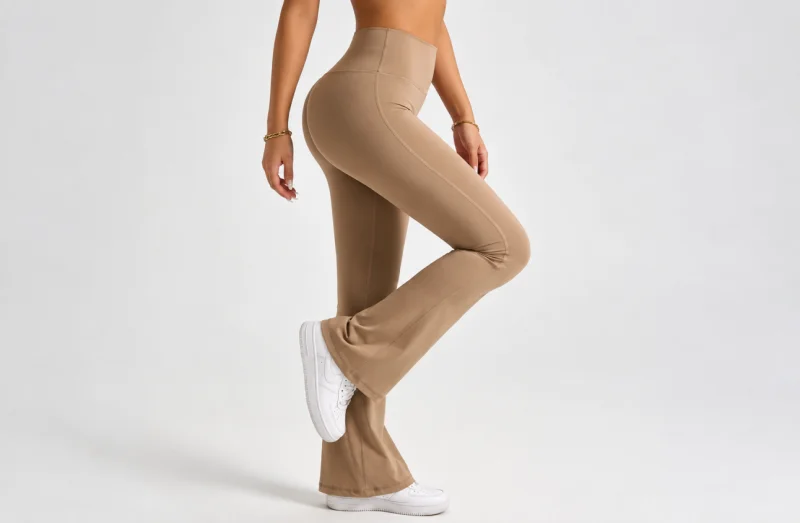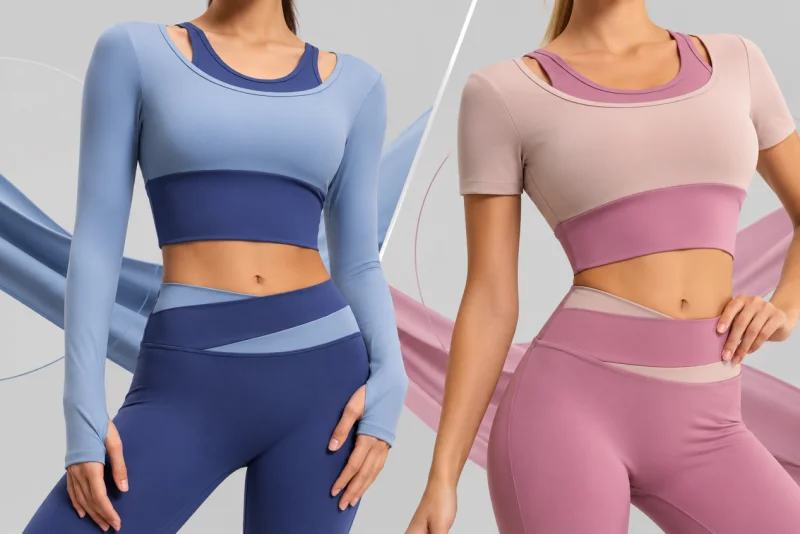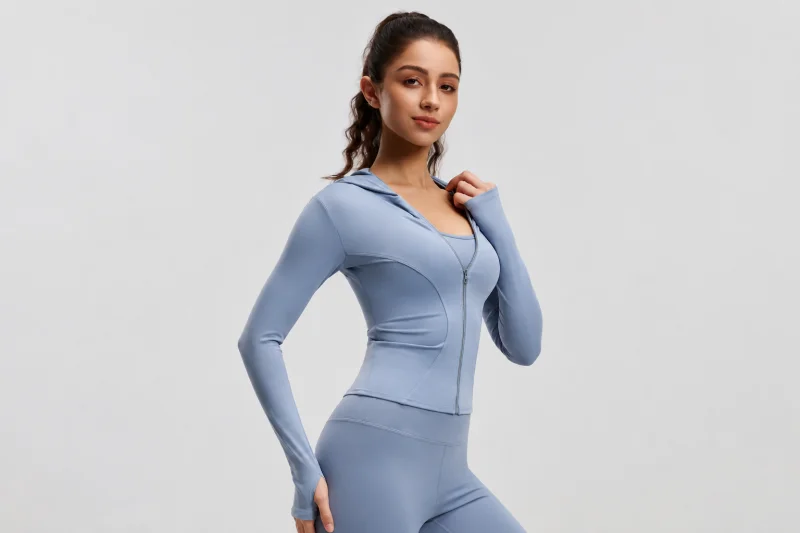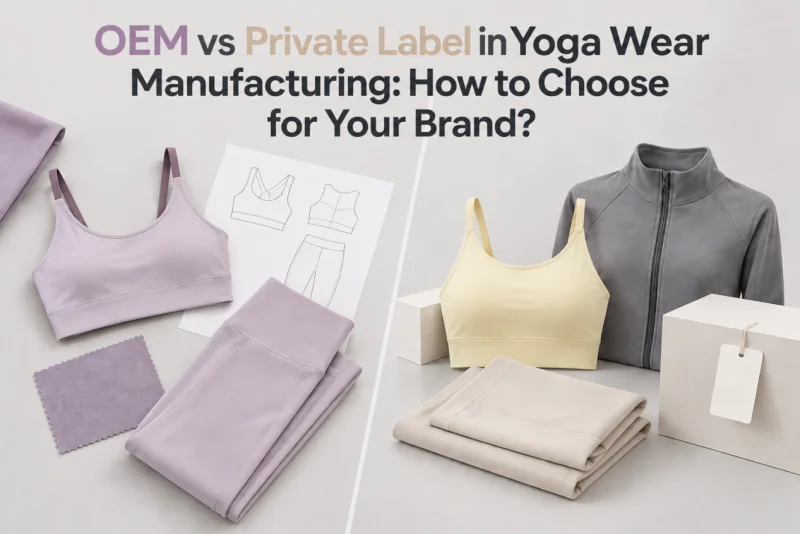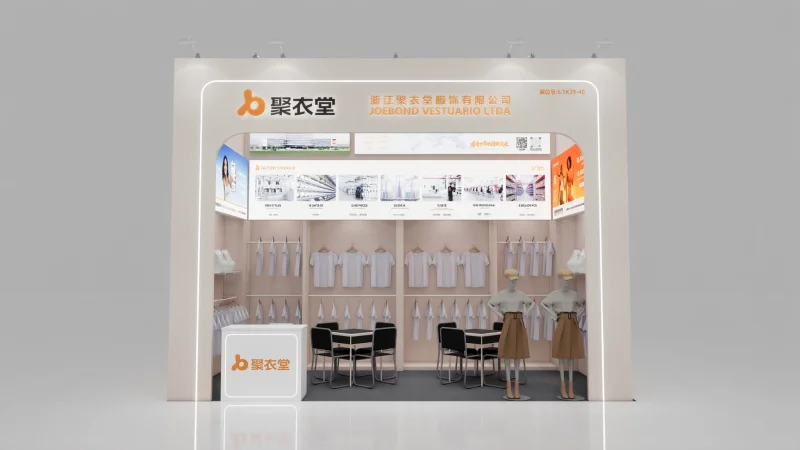
Wholesale yoga leggings buyers need clear evaluation points before committing to large orders. Fabric quality, production capability, customization options, and supplier reliability directly influence retail performance. For global buyers, we provide vertically integrated yoga apparel solutions through Joebond, supporting retailers and private-label brands with flexible OEM/ODM services from textile sourcing to finished products.
Fabric Performance and Material Evaluation
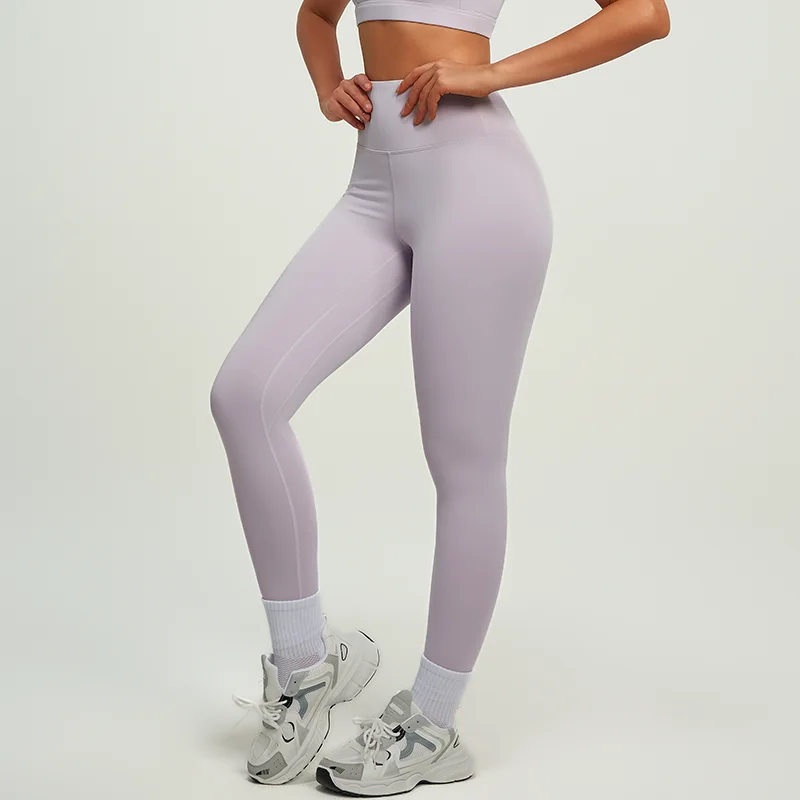
When reviewing wholesale yoga leggings, buyers should first examine fabric composition, stretch recovery, and comfort levels. Performance leggings usually require blends that balance softness, durability, breathability, and shape retention. Testing fabric samples before bulk production helps reduce quality risks and ensures products match customer expectations.
A reliable supplier should explain textile specifications clearly, including weight, elasticity, moisture management, and finishing treatments. Buyers seeking custom yoga leggings need accurate material information because fabric selection affects both product positioning and long-term wear performance across different consumer groups.
Leggings designed for yoga, training, and everyday movement require different fabric characteristics. A lightweight option may suit studio activities, while stronger compression materials can support active fitness categories. We help buyers review textile choices according to their market needs, product range, and pricing goals.
Color consistency is another important factor for wholesale programs. Buyers should confirm dyeing processes, shade approval procedures, and fabric inspection methods before production begins. Small differences between production batches can affect brand image, especially for retailers managing multiple stores or online sales channels.
Production Capability and Supplier Assessment
Evaluating a supplier involves more than checking product photos. Buyers should review manufacturing experience, quality systems, production communication, and development support. A capable partner can guide product decisions while maintaining stable timelines for wholesale orders and private-label collections.
For buyers searching for a custom yoga leggings manufacturer, production transparency is essential. A qualified supplier should provide clear information about sampling stages, material sourcing, construction methods, and inspection procedures. This helps brands reduce uncertainty when developing new collections for competitive markets.
Manufacturing flexibility matters for brands with different business models. Some retailers require large repeat orders, while emerging labels may need smaller development quantities. We support varied B2B requirements by coordinating product creation, manufacturing processes, and finished apparel supply through one integrated system.
Joebond works with global apparel buyers by connecting textile resources, production management, and finished inventory solutions. We focus on practical communication throughout development because successful partnerships depend on consistent updates, accurate specifications, and dependable execution from initial concepts to final delivery.
Customization Requirements and Product Development
Private-label buyers often need customized designs that reflect their brand identity. Product details such as waistband construction, stitching techniques, logo placement, packaging, and color selections influence how customers perceive the final collection. Clear development discussions help avoid mistakes during production.
The phrase custom yoga leggings represents more than adding a logo to existing products. Buyers should consider fit adjustments, fabric preferences, functional features, and branding elements. These details allow retailers to create differentiated collections rather than competing only through price.
A strong development process includes sample reviews, measurement confirmation, and feedback adjustments. Buyers should maintain detailed product documents covering sizes, materials, trims, and finishing requirements. This approach improves accuracy when moving from prototypes to commercial production.
Working with experienced suppliers allows brands to balance creativity and manufacturing practicality. We help clients evaluate design ideas against production conditions, ensuring customized apparel remains suitable for efficient manufacturing, quality control, and market demand.
Quality Control and Order Management
Quality inspection should cover every stage of apparel production, from fabric arrival to finished product packaging. Buyers should ask about inspection points, defect handling procedures, and final checking methods before placing wholesale orders. Strong controls protect investment and reduce customer complaints.
Common concerns with yoga leggings include seam strength, transparency, sizing accuracy, fabric pilling, and waistband performance. Regular inspections help identify these issues before shipment. Buyers should request samples and quality reports to confirm that products meet their required standards.
Order management also affects business success. Accurate communication about quantities, delivery schedules, and product specifications prevents unnecessary delays. We coordinate production details carefully because wholesale buyers depend on predictable supply for seasonal launches and inventory planning.
When buyers compare suppliers, they should consider long-term cooperation rather than only immediate pricing. A dependable partner provides consistent quality, responsive support, and practical solutions when market requirements change. Joebond works with brands seeking stable apparel supply relationships across different regions.
Market Considerations for Wholesale Buyers
Wholesale buyers should analyze customer preferences, target pricing, and product positioning before developing yoga apparel collections. Leggings can serve multiple categories, including yoga studios, fitness retailers, lifestyle stores, and online brands. Product decisions should match the expectations of each customer segment.
Inventory planning is another important consideration for buyers purchasing activewear. Core colors and proven designs may support repeat sales, while seasonal styles can attract new customers. A balanced assortment helps retailers manage stock levels without limiting creative product expansion.
Buyers should also consider packaging, labeling, and compliance requirements for international markets. Proper documentation and accurate product information support smoother distribution. Working with an experienced supplier can simplify coordination across different sales channels and regional requirements.
We provide support for retailers, wholesalers, and private-label brands that need flexible yoga apparel solutions. By combining textile resources, manufacturing capabilities, and finished stock options, we help businesses develop products aligned with their commercial goals while maintaining consistent quality expectations.
Conclusion
Purchasing wholesale yoga leggings requires careful evaluation of materials, supplier capability, customization support, and quality management. Buyers who review these factors can build stronger product lines and reduce operational risks. Joebond continues to support global partners with integrated apparel services, helping brands develop reliable yoga collections through professional manufacturing cooperation.