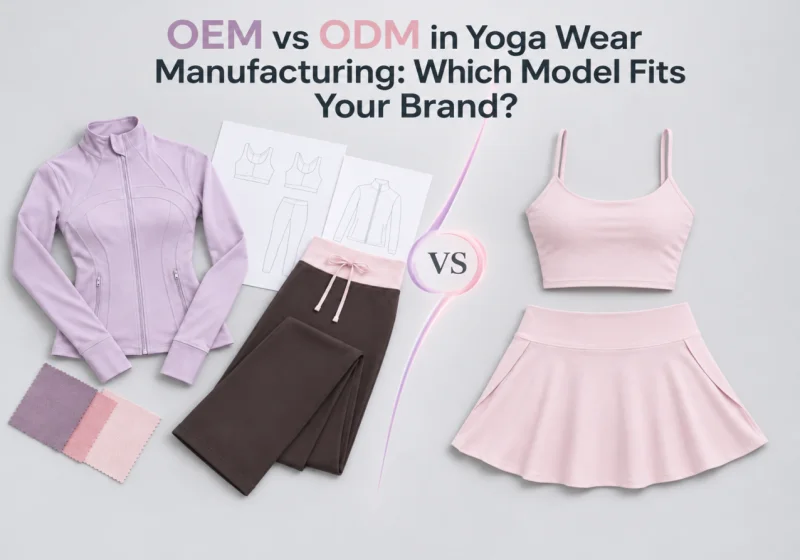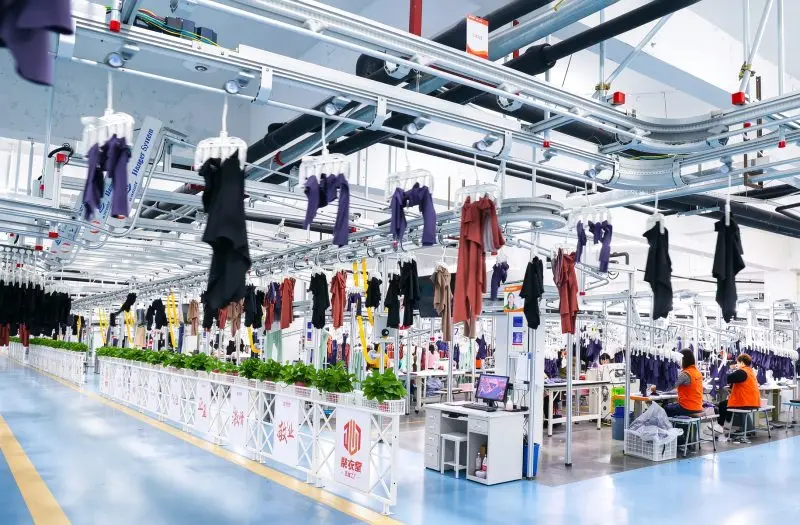
A wholesale yoga jacket order can look simple when the product list is already available. The commercial details often sit elsewhere: fabric suitability, fit options, branding, sample approval, quantity, inspection, and delivery. Buyers who review these points together can make a clearer decision about whether a style fits their market.
We develop custom yoga jackets through a process covering consultation, design, material selection, production, quality inspection, packaging, and shipping. Joebond supports brands, retailers, studios, and online businesses that need both ready styles and adaptable OEM or ODM development.
Define the jacket’s role in the collection
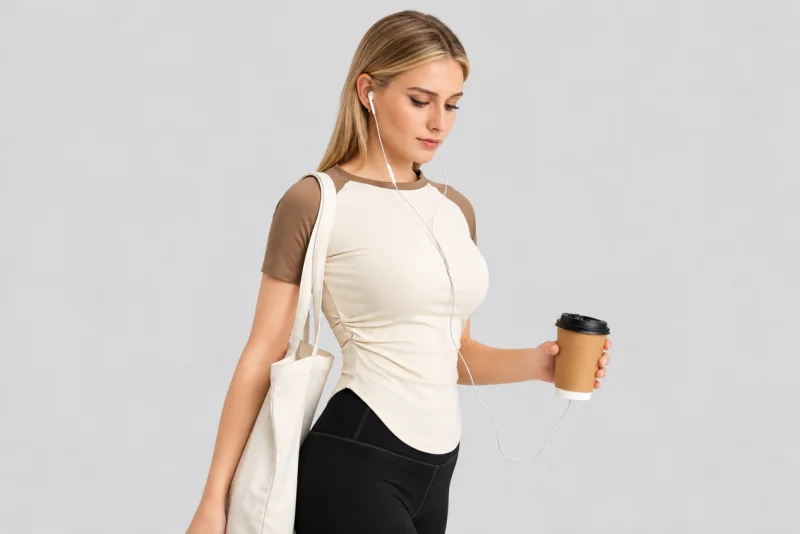
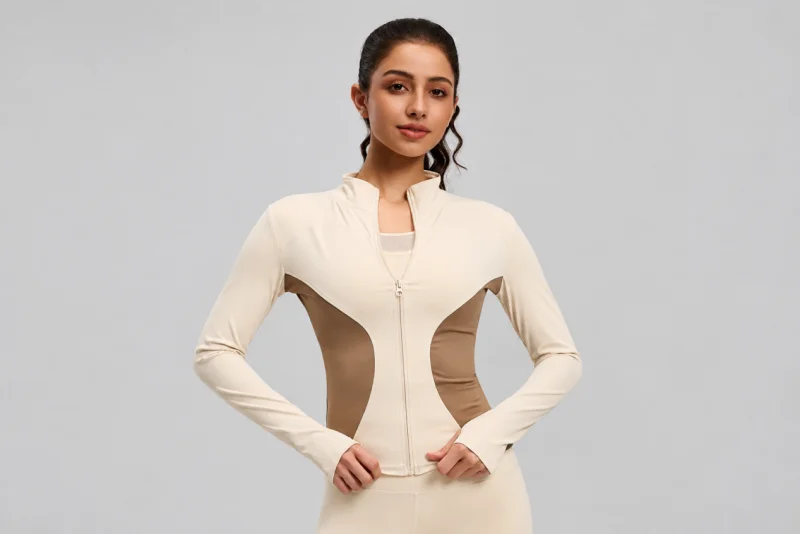
The jacket category includes slim-fit, hooded, sleeveless, short-sleeve, pocket, color-block, and contour-line styles. These silhouettes can serve different customer situations, from studio warm-ups and outdoor walks to everyday layering.
Before ordering, describe the intended use and fit direction. A slim-fit jacket may support a close, coordinated look with leggings. A hooded or pocket style may serve customers seeking additional coverage or storage. A sleeveless or short-sleeve option can work as a lighter layer.
A clear role also helps determine the right assortment depth. Core silhouettes may need several colors and sizes, while a seasonal design can begin with a smaller trial. Record these priorities before requesting a wholesale quotation.
Review materials and functional details
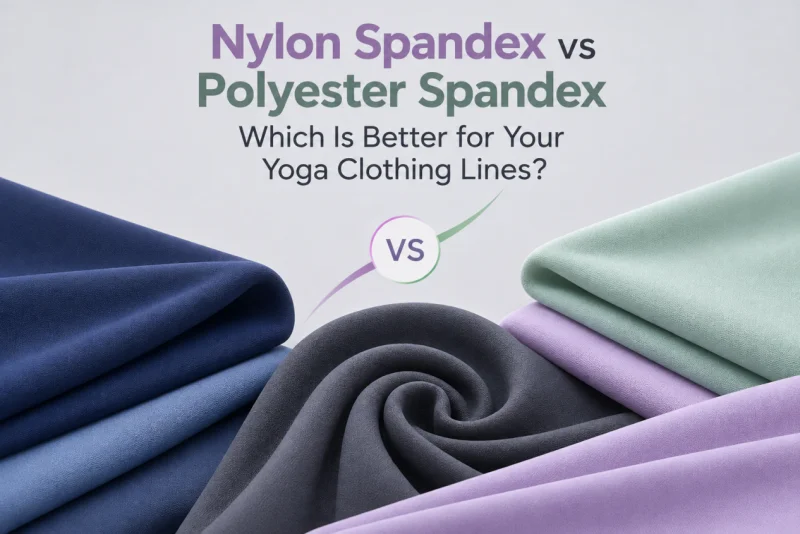
The category describes breathable fabrics, flattering silhouettes, and functional details for women’s yoga jackets. Material selection should be considered with the planned fit, season, and activity. Lightweight options may suit warmer conditions, while thicker materials can support cooler-weather collections.
Ask how the fabric will work with zippers, pockets, cuffs, hoods, or contour panels. These components affect movement, appearance, and production handling. A sample gives the buyer a better basis for reviewing comfort than a fabric swatch alone.
Our customization service supports fabric selection, zipper styles, sleeve lengths, pockets, labels, hangtags, and packaging. Buyers can adjust these details for regional market preferences while keeping the main product direction consistent.
Use sampling to confirm the order
The design team prepares technical drawings and sample jackets for approval. Review measurements, sleeve length, collar or hood height, pocket placement, zipper operation, hem behavior, and the relationship between the jacket and matching bottoms.
Sampling is also useful for brand presentation. The jacket program supports logo printing, embroidery, private labels, and custom packaging. Check artwork size and placement on the chosen silhouette because seams, pockets, and panels can change visual balance.
If the buyer requests an adjustment after sample review, record the change in the technical file. A revised color, size, logo, or fabric should be clearly identified before bulk production begins. This gives the factory and buyer a shared version of the order.
Compare quantity routes and production timing
Our OEM program accepts low-MOQ projects for small-batch launches. The wider service information lists 10 pieces per color per style as the starting quantity for custom orders. This can help a buyer test a jacket before expanding the color range or size depth.
These routes suit different purchasing situations. A new retailer may begin with a small custom trial. An established business may use a larger production run for a core jacket and ready stock for quick replenishment. The choice depends on launch timing and inventory planning.
Set inspection points before shipment
Each jacket undergoes inspection for stitching, sizing, color consistency, logo application, and overall quality. Buyers can add checkpoints for fabric appearance, zipper function, cuff alignment, pocket construction, packaging, and measurement tolerances.
The approved sample should remain the reference during production. When several colors or silhouettes are involved, keep separate records for each version. This helps the quality team compare finished goods with the correct fabric, artwork, and construction details.
The company’s quality system also lists ISO9001, ISO14001, and BSCI. These certifications form part of the stated quality-assurance structure, while product-level inspection remains important for each order.
Review packaging, communication, and logistics
Packaging can affect how a jacket arrives at a store, studio, or online customer. The service supports customized poly bags, recyclable packaging, branded boxes, hangtags, and barcode stickers. Include the approved packaging details in the same order brief as the garment specifications.
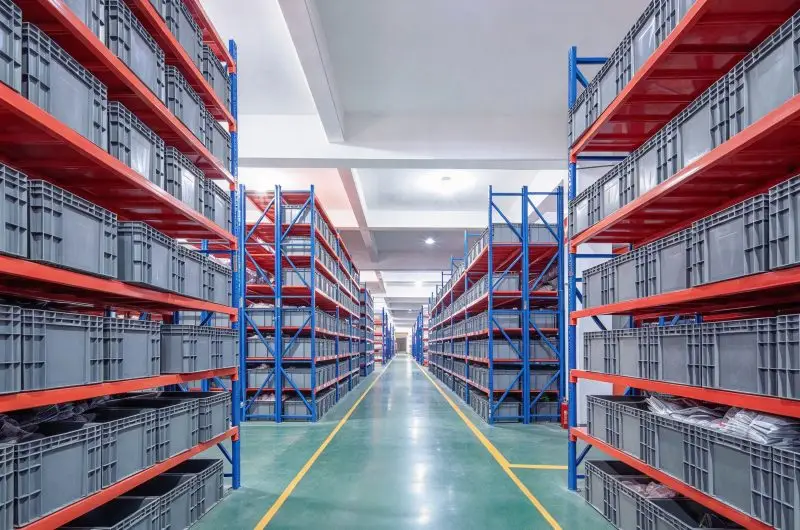
Dedicated account managers track order progress and provide online support. Sea and air shipping are available for worldwide destinations. These services help a buyer coordinate sample approval, production, packing, warehouse receiving, and launch dates.
For a wholesale yoga jacket, the comparison should cover more than unit price. Ask how the supplier handles patterns, materials, decoration, quality checks, packaging, dispatch, and replenishment. A connected workflow can reduce handoffs when the order includes several styles.
Prepare a practical buying brief
Before placing the order, list the jacket silhouettes, intended activities, fabrics, colors, sizes, zippers, sleeves, pockets, logo method, labels, packaging, quantity, inspection points, and shipping destination. Compare the approved sample with this brief and record any accepted revisions.
Joebond combines design support, customization, production, inspection, and global shipping for activewear buyers. For teams sourcing custom yoga jackets, the useful question is whether the supplier can match the collection’s fit, timing, and branding requirements. A clear brief gives both sides a workable reference from sample to replenishment.