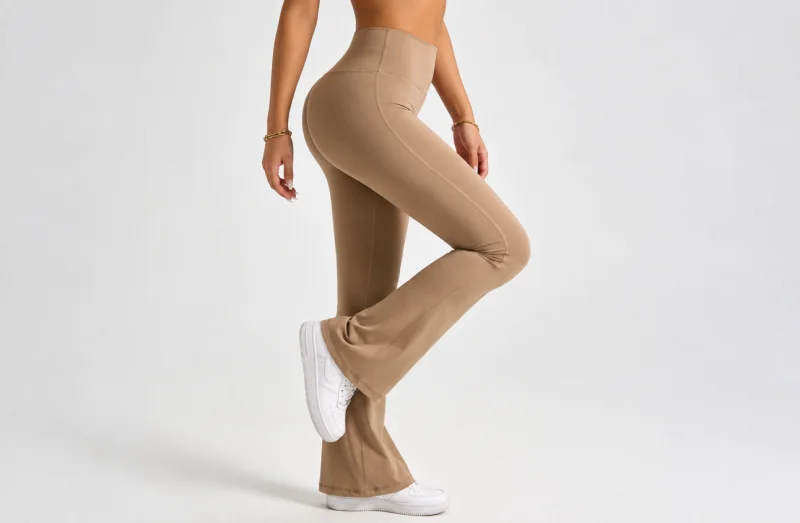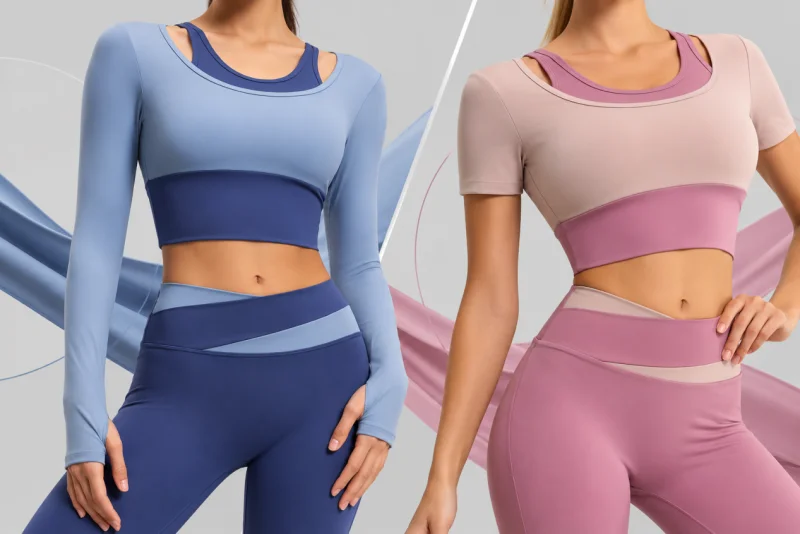
Quality control is easier to manage when it begins before production. A buyer needs a shared product brief, approved samples, clear testing points, and regular order communication. Without those references, even a capable factory may interpret fit, fabric, branding, or packaging details differently.
As a yoga wear manufacturer, we support custom yoga wear through OEM and ODM services that connect pattern development, fabric matching, sampling, branding, manufacturing, inspection, and shipping. This guide explains how buyers can structure quality control throughout an apparel project.
Start with a documented product brief
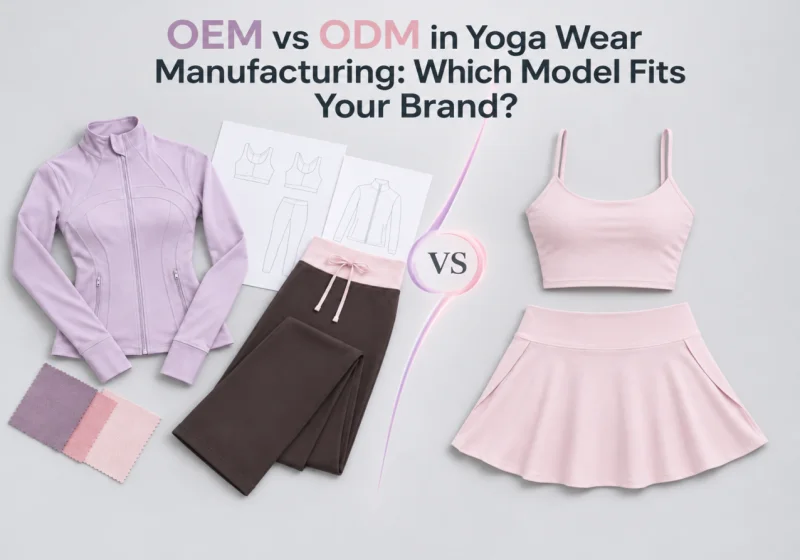
Quality begins with clarity. Record the intended garment, customer use, silhouette, size range, fabric, colors, logo artwork, labels, packaging, quantity, and delivery plan. A sketch, physical sample, or tech pack can give the development team a concrete starting point.
Our pattern team develops sports bras, high-waisted leggings, active tops, and matching sets from these references. Sampling is used to confirm silhouette and fit before bulk production. Buyers can compare the prototype with the brief and note revisions in one technical file.
This record becomes useful when the collection expands. A new color, size, or matching style can be reviewed against the same construction logic. Consistent documentation helps the buyer and factory discuss changes with fewer misunderstandings.
Check fabrics before bulk approval
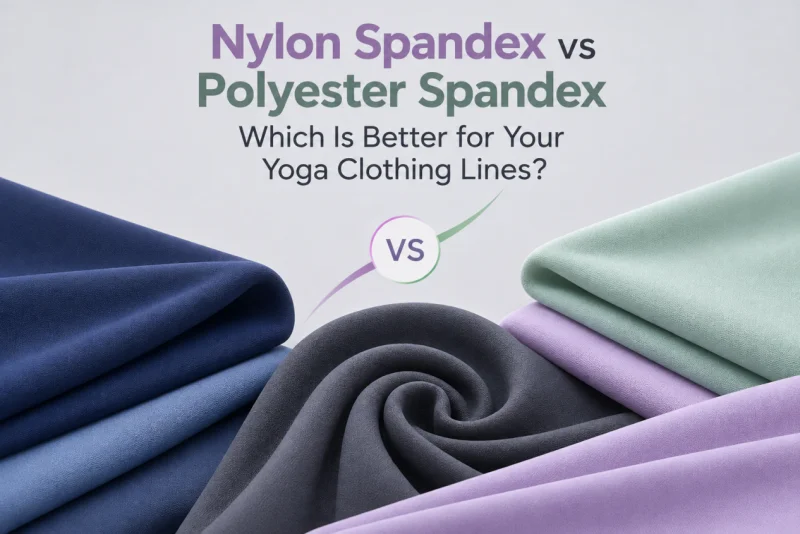
Our OEM program supplies polyester-spandex high-stretch fabric and Flowfit nude fabric, a nylon-spandex series. Fabric matching is part of development, so the buyer can assess hand feel, stretch response, and appearance with the planned pattern.
All fabrics go through opacity, stretch, and color-fastness testing. These checks give the product team practical reference points for fitted bottoms, active tops, and coordinated sets. Buyers can also compare color samples before approving a production version.
A fabric decision should remain tied to the garment structure. A waistband, gusset, seam, or panel can change how material behaves during movement. Reviewing fabric and pattern together gives the approval process more useful context than checking a swatch alone.
Use sample approval as a control gate
A sample should represent more than the general look. Review measurements, seams, panels, closures, labels, logo placement, and packaging details. Test the garment in movements related to its intended use, such as bending, stretching, walking, or training.
At Joebond, our service supports custom logo craft, heat-transfer labels, printed logos, and packaging bags. These details should be checked on the selected fabric and garment size. The approved artwork and color reference can then be added to the production file.
If the buyer changes the pattern, fabric, logo, or size chart after approval, record the update before bulk production. A clear change history helps the factory distinguish the current version from earlier samples.
Monitor production and inspection stages
Every custom order undergoes multi-stage quality inspection during manufacturing. The quality-assurance system lists ISO9001, ISO14001, and BSCI. Buyers can ask for inspection points covering measurements, stitching, fabric performance, logo accuracy, and packaging.
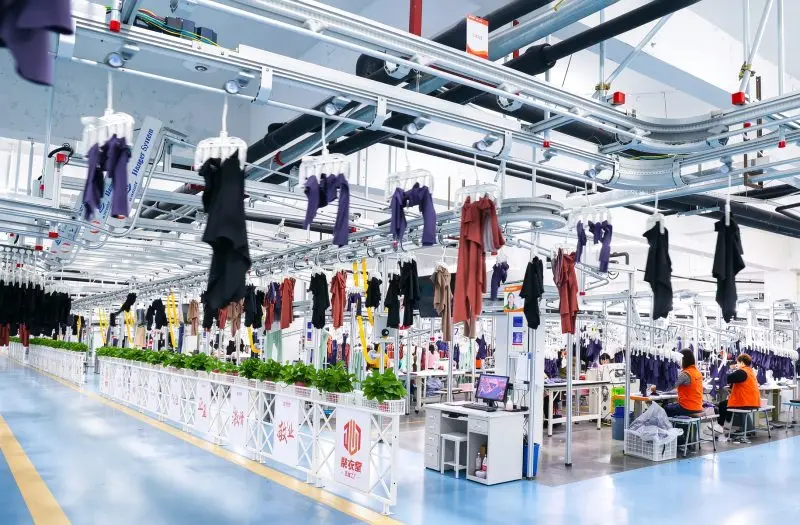
Our self-owned workshop supports small-batch trials and bulk production. A dedicated account manager tracks order progress and provides online support. This gives the buyer a defined communication route when questions arise during cutting, sewing, finishing, or packing.
The inspection record should connect to the approved sample. Compare production pieces with the agreed measurements, fabric, colors, and decoration. When several styles or colorways are involved, retain references for each version instead of using one generic standard.
Match quality control with the order scale
Our OEM program accepts custom orders from 10 pieces per color per style. This allows a business to test a new pattern or fabric with a smaller run before expanding the range. A staged approach can give the product team time to review customer feedback.
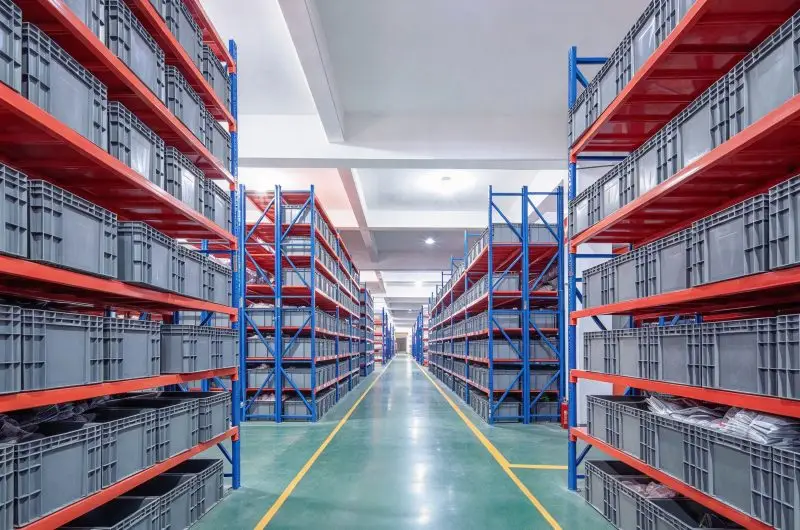
For larger programs, the stated schedule lists up to 10,000 pieces within seven days and 50,000 pieces within 15 days, subject to the confirmed order plan. Ready-stock styles can ship from an inventory of eight million pieces available year-round.
The appropriate route depends on the collection and launch plan. Custom development suits a new fit or brand identity, while ready stock can support faster replenishment. In either case, quality criteria should remain consistent from sample to shipment.
Review packing and logistics before dispatch
Packaging is part of the finished order. Our service supports private labels, custom packaging bags, and global shipment by sea or air. Buyers can check labels, hangtags, barcode information, cartons, and packing instructions before the goods leave the factory.
Account managers track production progress and coordinate shipping details. This helps the buyer align inspection results with warehouse receiving and launch preparation. If an item is delayed for review, the updated schedule can be recorded with the same order file.
For a yoga wear manufacturer, quality control includes the path from material selection to delivery. The buyer should evaluate how patterns, fabrics, branding, inspection, packaging, and logistics are connected rather than reviewing each service in isolation.
Build a repeatable quality routine
Before approval, prepare a checklist for product specifications, size measurements, fabric tests, construction, decoration, labels, packaging, quantity, and shipment. Use the same checklist for the sample, production inspection, and final packing review.
We combine OEM and ODM customization with pattern support, fabric testing, multi-stage inspection, account management, and global logistics. For teams sourcing custom yoga wear, a shared brief and documented checkpoints can make quality decisions easier to repeat as the collection grows. Joebond remains involved when buyers add colors, sizes, or new activewear styles.