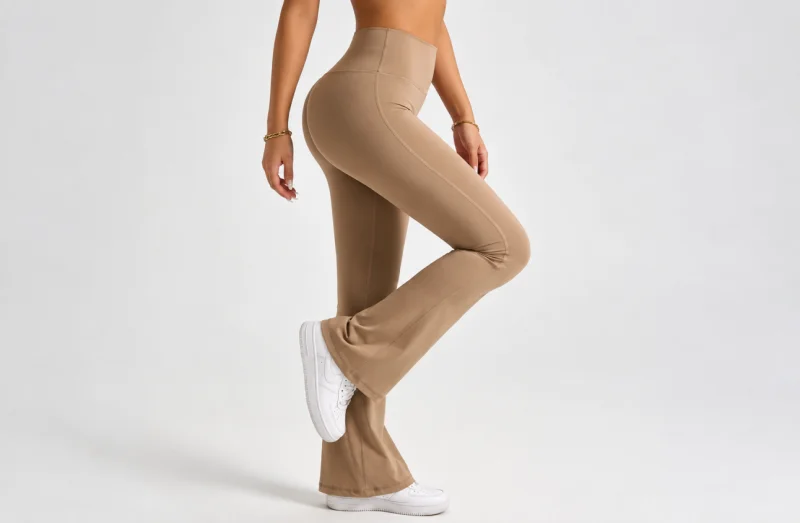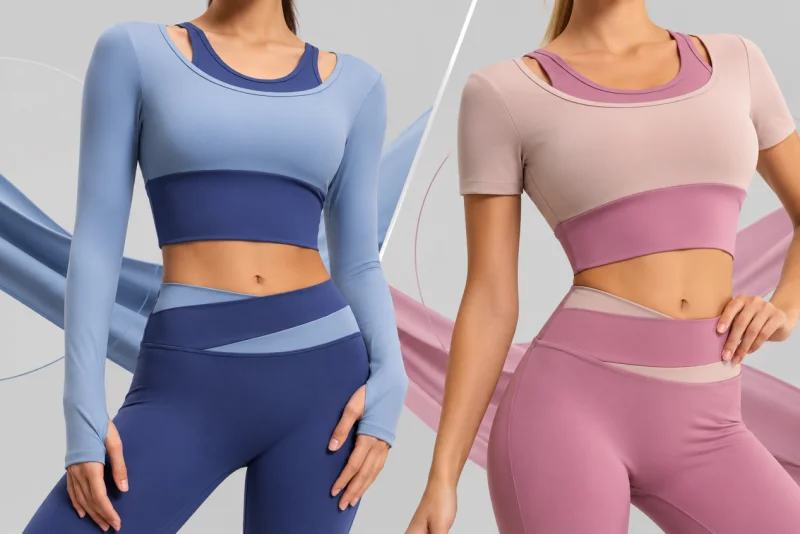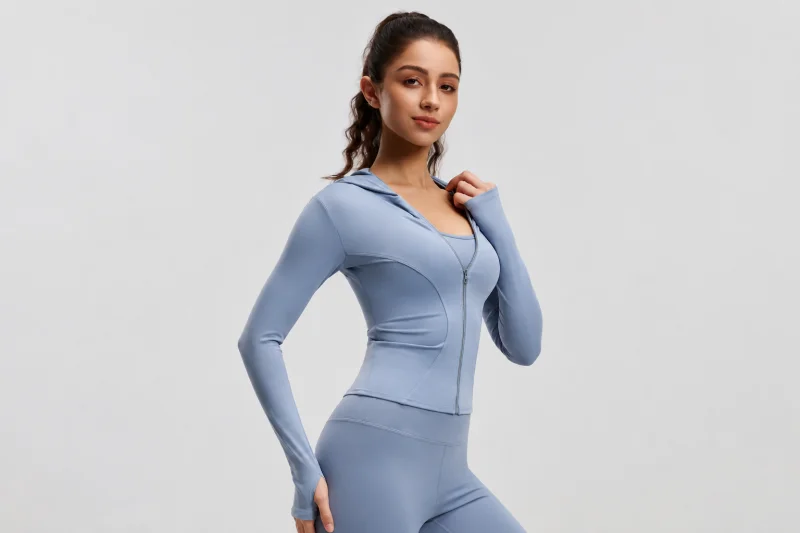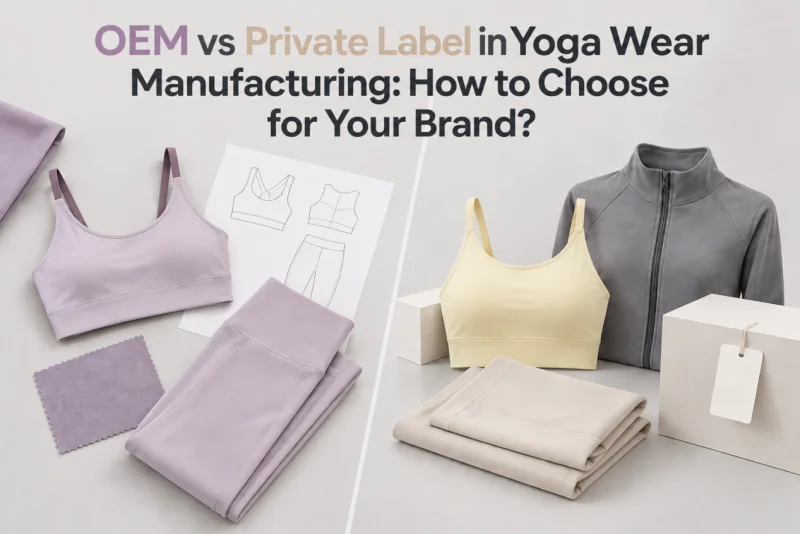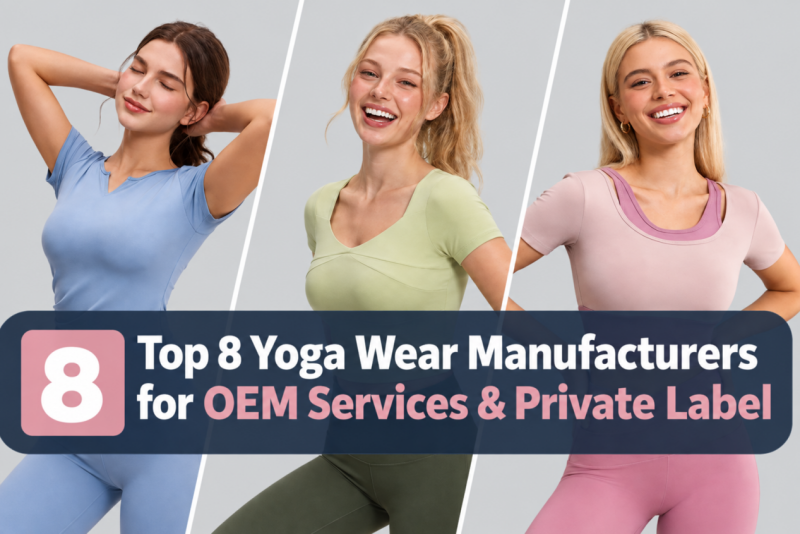
Private label brands need a clear production roadmap to turn creative ideas into commercial collections. Developing custom yoga clothing requires coordination across fabrics, design details, manufacturing processes, and delivery planning. We help global buyers create practical sourcing strategies that support consistent quality, reliable supply, and long-term retail growth.
Defining Product Goals Before Production Begins
A successful private label project starts with a detailed product direction. Buyers should identify their customer profile, price positioning, performance expectations, and collection goals before beginning supplier discussions or requesting samples.
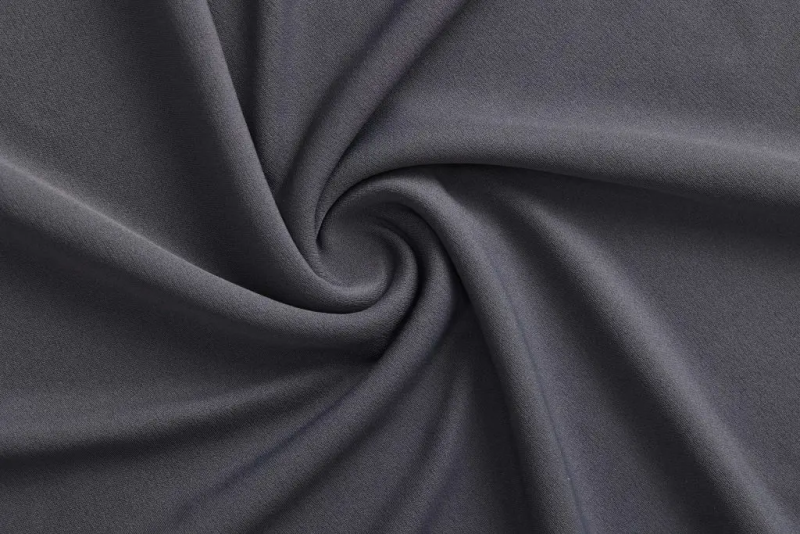
Fabric selection plays an important role because yoga garments must provide comfort, stretch recovery, breathability, and durability. Different blends can influence product performance, customer reviews, and repeat purchase behavior across various markets.
Design planning should include garment structure, color ranges, trims, branding elements, and packaging requirements. Clear specifications reduce communication issues and allow production teams to prepare accurate development timelines.
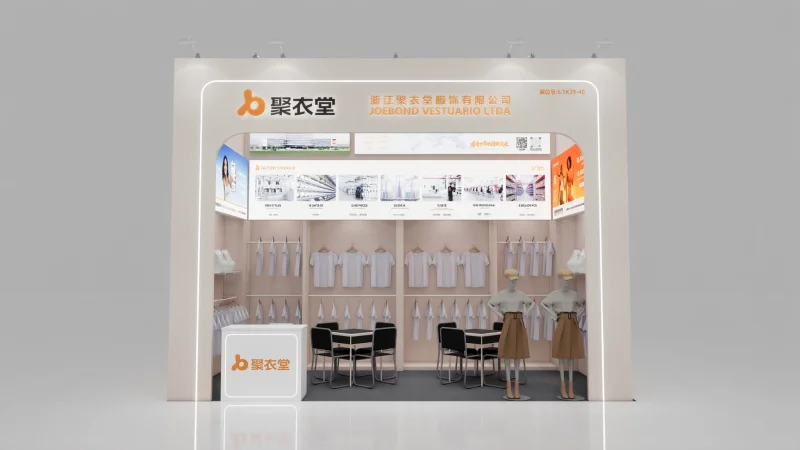
We support brands by connecting material sourcing, manufacturing coordination, and finishing services within one supply chain. At Joebond, we manage different production stages to help buyers maintain control from initial concepts through finished products.
Managing Design Development and Production Requirements
Private label apparel development requires technical knowledge beyond visual design. Pattern accuracy, grading standards, sewing techniques, and construction methods all influence whether a product performs well after reaching consumers.
Many buyers request custom yoga clothing because they need collections that reflect their own brand identity rather than purchasing generic inventory. Detailed communication during sampling helps align creative expectations with manufacturing capabilities.
A professional development process includes sample reviews, measurement checks, fabric confirmation, and production approval steps. These stages help prevent costly adjustments after bulk manufacturing has already started.
Production planning also considers order quantities, material availability, and seasonal deadlines. Manufacturers with organized workflows can provide clearer schedules and help brands prepare inventory strategies with fewer unexpected delays.
Evaluating Yoga Clothing Wholesale Options
When comparing Yoga Clothing Wholesale options, buyers should review production capability, communication quality, and service coverage instead of focusing only on initial pricing. A reliable partner should support both development and repeat orders.
Supplier evaluation should include questions about textile sourcing, inspection procedures, customization support, and shipment preparation. These details reveal how effectively a manufacturer can handle long-term business requirements.
The relationship between buyer and manufacturer becomes stronger when expectations are documented clearly. Specifications, timelines, and quality standards create a shared reference throughout the production cycle.
We provide OEM and ODM support for businesses that need flexible manufacturing solutions. Joebond works with retailers, wholesalers, and private-label brands by coordinating resources across product development and production processes.
Creating Consistent Quality Across Product Lines
Quality consistency is essential for brands building customer trust. Garments should maintain similar sizing, construction standards, and appearance between different production batches to protect brand reputation.
Inspection procedures should cover materials, stitching, measurements, and final finishing details. Early quality checks allow manufacturers to address potential issues before products move into packaging and shipment stages.
Buyers reviewing yoga clothing wholesale opportunities should examine how suppliers maintain standards during larger production runs. Consistent processes provide stronger confidence when expanding collections or increasing purchase volumes.
At Joebond, we integrate quality monitoring throughout manufacturing activities. We focus on practical production controls that help brands receive apparel aligned with approved samples and commercial expectations.
Building Efficient Supply Chain Cooperation
A coordinated supply chain reduces delays between design approval, material preparation, manufacturing, and delivery. Buyers benefit when different production stages are connected through clear communication and organized management.
Raw material planning can influence the success of a collection launch. Reliable textile preparation supports smoother production schedules and reduces disruptions caused by unavailable fabrics or inconsistent materials.
Private-label businesses often manage multiple product categories and sales channels. Manufacturers that provide organized updates help purchasing teams coordinate inventory plans and respond to changing customer demand.
We assist brands through integrated apparel production services that connect development, manufacturing, and finished stock solutions. Joebond helps create a structured process that supports efficient cooperation between international buyers and production teams.
Preparing for Market Launch and Future Growth
A successful launch depends on more than completing manufacturing. Brands should also prepare product information, packaging presentation, inventory planning, and marketing materials before collections reach customers.
Market feedback after launch provides valuable guidance for future improvements. Sales performance, customer comments, and product usage patterns can influence decisions about colors, materials, and upcoming collections.
Businesses investing in custom yoga clothing should view manufacturing as an ongoing partnership rather than a single transaction. Continuous cooperation allows products to improve through shared experience and technical feedback.
A dependable production relationship creates advantages when brands expand their collections. Flexible support, accurate communication, and consistent manufacturing practices help businesses manage growth with greater confidence.
Conclusion
Private label success depends on careful planning, capable manufacturing support, and a supply chain that matches business goals. We help buyers evaluate yoga clothing wholesale partnerships while developing quality-focused collections. With structured cooperation, brands can build durable product programs through custom yoga clothing solutions that support long-term market opportunities.