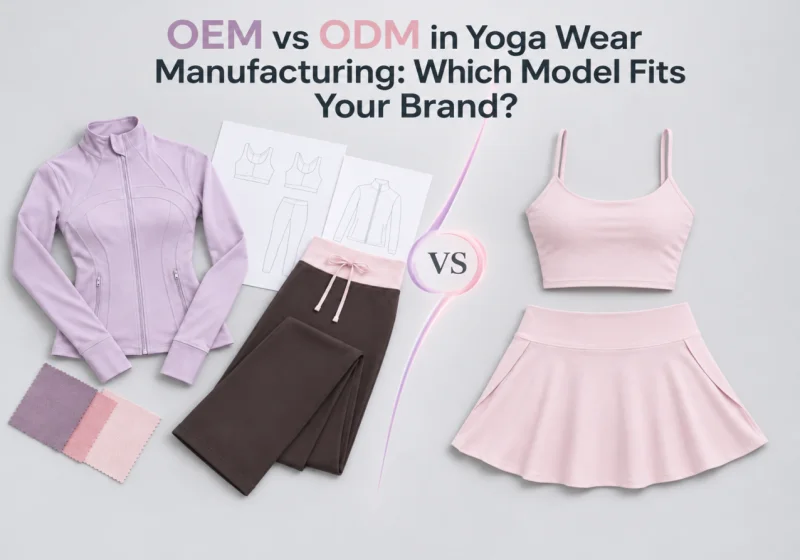
A women’s legging design begins with a customer experience, not a decoration detail. Some collections call for a close, body-contouring silhouette, while others prioritize everyday comfort and flexible movement. The design process becomes clearer when the brand separates fit decisions from visual styling, then brings them together through sampling and production planning.
We develop custom yoga leggings through OEM and ODM services. The MT20 reference combines a high-waisted shape, soft four-way stretch fabric, seamless fit, tummy control, and a butt-lifting design. Joebond connects pattern work, fabric matching, branding, inspection, and delivery for activewear businesses.
Decide the intended wearing experience
Begin by describing where customers will wear the leggings. The MT20 design is positioned for yoga, training, running, workouts, and everyday activities. These uses share movement, yet they can involve different expectations for support, coverage, and styling.
A close, body-hugging silhouette may suit a performance-focused collection. A softer everyday line may require a different balance of ease and fabric hand feel. Write the intended use, customer profile, size range, colors, and target quantity into the design brief before pattern development.
The difference between leggings and looser yoga pants can also guide the collection. Leggings use a slim silhouette, while relaxed pants offer a different shape and styling direction. Defining this distinction helps the buyer create a focused product architecture.
Build the pattern around the body
The main design components include the waistband, leg panel, gusset, seams, stitching, ankle opening, and fabric. Each part affects the way the finished garment fits and moves.
The MT20 product uses a high-waisted construction with tummy-control shaping. When adapting the style, review waist height, rise, hip curve, thigh width, inseam, and ankle opening together. Changing one measurement can alter the balance of the whole silhouette.
A gusset can support mobility and reduce pressure during active poses. Flatlock seams can help reduce friction, while strong stitching supports the construction. These features should be discussed with the pattern team rather than added after the sample is complete.
Our technicians can work from sketches, physical samples, or tech packs. Pattern grading and sample development create a physical checkpoint before bulk production. Buyers can use that checkpoint to compare measurements with the intended customer experience.
Choose fabric for movement and appearance
MT20 is described as having soft, four-way stretch fabric and moisture-wicking characteristics. The fabric is also presented as skin-friendly and suitable for workouts and daily wear. These details can guide the material discussion, but the selected fabric should still be reviewed with the approved pattern.
Material choice affects recovery, surface appearance, and logo presentation. A smooth panel may show a printed mark differently from a brushed, ribbed, or seamless texture. Buyers should compare swatches and samples before deciding on the final combination.
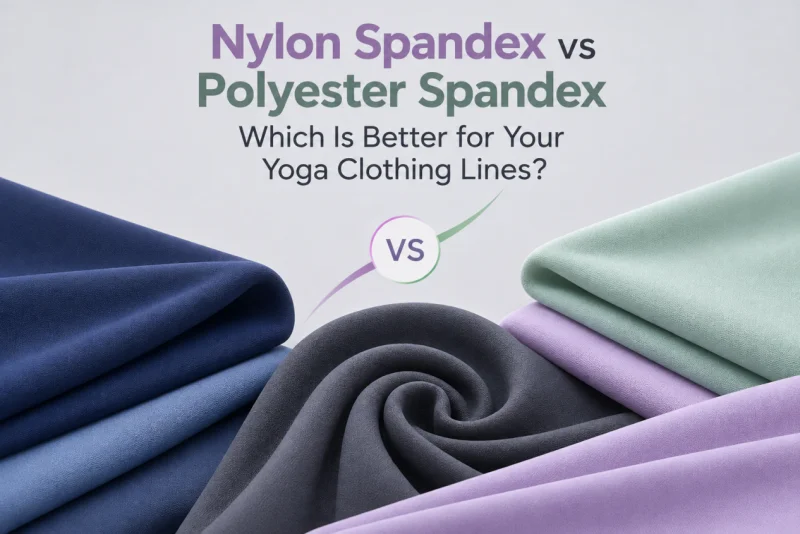
Our broader fabric routes include nylon, polyester, and spandex blends, as well as seamless, brushed, ribbed, and eco-friendly options. A brand can choose one material family for a coherent collection or assign different fabrics to specific styles.
Fabric evaluation should include opacity, stretch response, color appearance, and comfort. Reviewing the sample in bending and stretching positions gives the product team a more useful view than a flat swatch alone.
Add branding as part of the design
Branding should support the silhouette rather than compete with it. Our OEM service supports logos, labels, packaging, and customized details. Review the logo position on the waistband, hip, leg panel, or ankle area according to the style’s seam lines and customer use.
For a yoga leggings manufacturer, sample approval can include logo scale, color, surface feel, and label placement. The same artwork may appear different on high-stretch fabric when the panel curves around the body.
Packaging can also shape the product presentation. Woven labels, hangtags, branded bags, and other customized details can be planned with the garment. Keeping artwork, size information, and packaging instructions in one brief helps reduce version confusion.
Test, revise, and scale the design
The sample should be evaluated through yoga poses, training movements, walking, and seated positions. Check whether the waistband stays in place, whether the fabric keeps its approved appearance, and whether seams remain comfortable during movement.
A design revision may involve the rise, gusset, ankle opening, fabric, color, logo, or size chart. Record each accepted change before mass production. This gives the factory a clear current version and helps the buyer compare future colorways.
Our OEM program supports small trial orders and larger runs. The wider service information lists 10 pieces per color per style as the starting quantity for custom orders. Larger programs list up to 10,000 pieces within seven days and 50,000 pieces within 15 days, subject to the confirmed order plan.
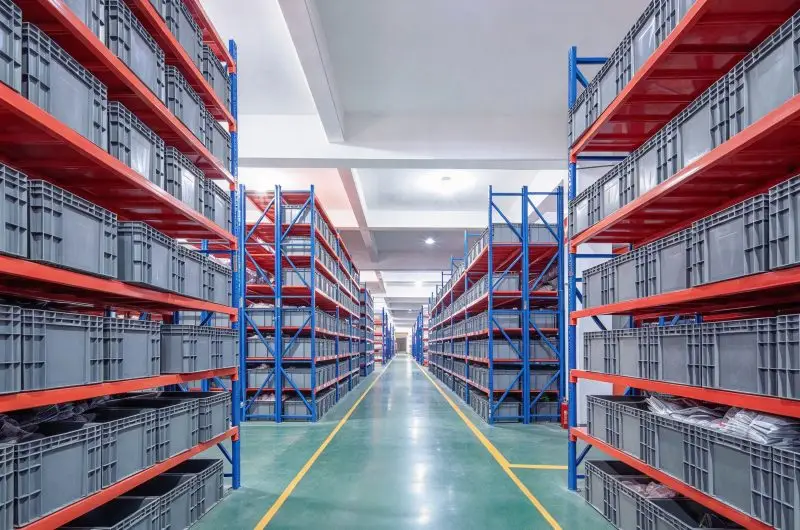
Ready-stock capacity is listed at eight million pieces available year-round. A buyer can combine custom development with stocked products when a collection needs both distinctive designs and faster replenishment.
Plan quality checks and delivery
Quality review covers fabric, measurements, stitching, logo accuracy, packaging, and overall finish. MT20’s product information identifies strong stitching, flatlock seam options, and a squat-proof design. Buyers can use these details as checkpoints during sample and production review.
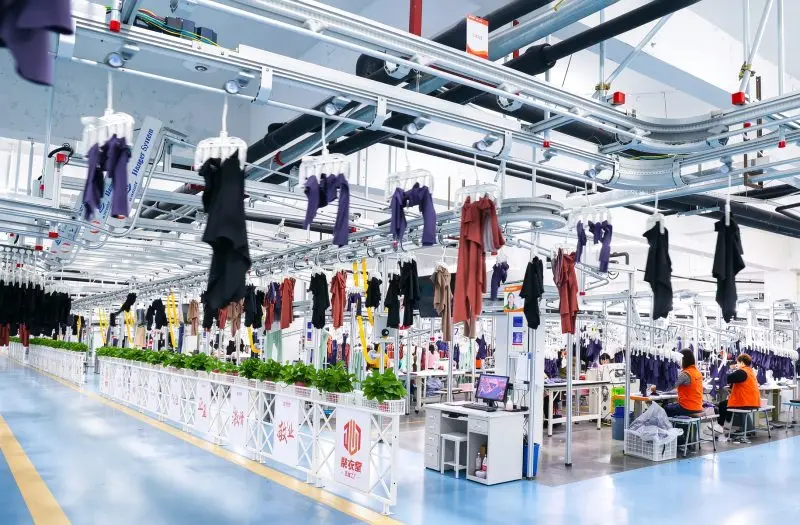
Our production process includes pattern development, fabric matching, branding, bulk manufacturing, multi-stage inspection, packaging, and global shipment. Sea and air shipping are available, while account managers track order progress and provide online support.
Joebond supports businesses that need a design to move from concept to repeatable product. For teams planning custom yoga leggings, a detailed brief and staged sample review can keep fit, fabric, branding, and delivery decisions connected as the collection grows.