Sportswear consumers expect apparel that matches their activities, comfort preferences, and performance needs. For retailers, wholesalers, and private-label brands, developing custom sports bras requires careful planning around support levels, fabric technology, construction methods, and manufacturing reliability to create products that perform well across different market segments.
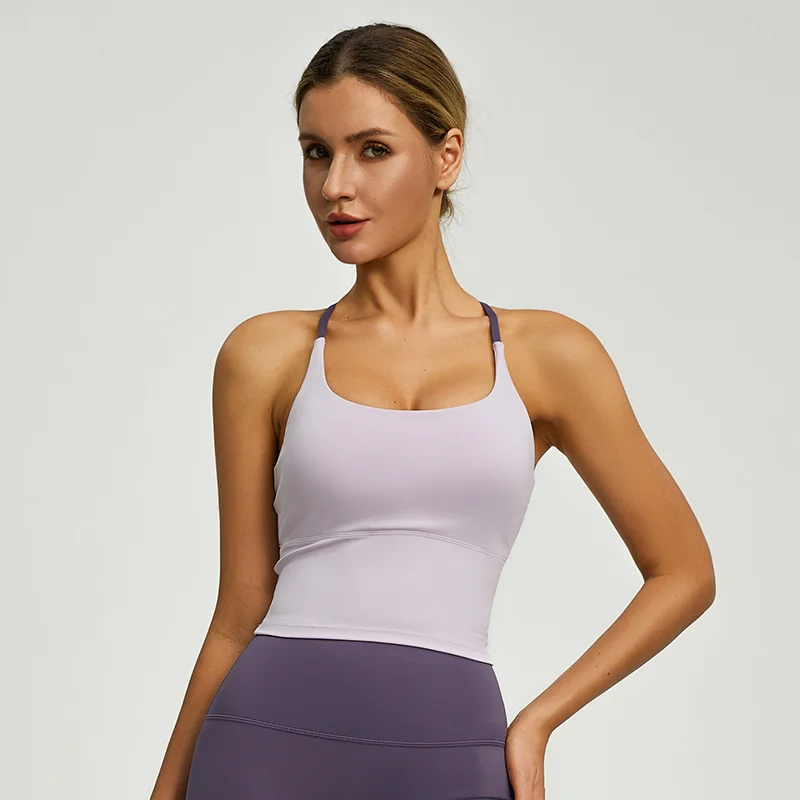
Defining Support Requirements for Different Activities
Support classification is an important part of sports bra development because each activity creates different movement demands. Yoga, stretching, walking, gym training, and high-impact exercise require different levels of stability, flexibility, and body support.
Low-support designs usually prioritize softness and freedom of movement. These products often use lightweight fabrics, gentle compression, and simple structures to provide comfort during low-impact activities and everyday lifestyle wear.
Medium-support products require a balance between comfort and control. Features such as wider elastic bands, supportive lining, and reinforced panels can improve stability while maintaining flexibility for consumers with active lifestyles.
High-support designs demand more technical consideration because repeated movement creates greater pressure on garment structures. Buyers working with experienced yoga bra manufacturers should evaluate support engineering before finalizing product specifications.
Selecting Fabrics That Match Performance Goals
Fabric development has a direct influence on product quality, customer satisfaction, and long-term wearability. Stretch recovery, moisture management, breathability, and durability should all be considered when creating different support categories.
Compression fabrics are commonly used for stronger support because they help maintain garment shape and provide controlled pressure. However, excessive compression may reduce comfort, so balance between support and flexibility remains important.
Soft-touch fabrics are often preferred for yoga and lifestyle collections because consumers expect a comfortable feel against the skin. Material selection should also consider washing durability because repeated laundering affects elasticity and appearance.
We coordinate textile sourcing and garment production through an integrated supply chain. Joebond supports buyers by connecting fabric development with manufacturing requirements, helping maintain consistency from material preparation through finished apparel production.
Building Construction Details Into Product Design
A sports bra’s performance depends on multiple construction elements working together. Seam placement, strap design, panel structure, and elastic strength all influence how the final garment supports movement.
Shoulder straps should distribute pressure evenly while allowing appropriate adjustment. Wider straps may improve comfort for stronger support categories, while lighter designs can focus on minimal construction and unrestricted movement.
The underband is another important structural component because it provides stability around the body. Proper elastic tension helps prevent excessive movement while maintaining comfort during extended periods of activity.
When developing custom sports bras, brands should review prototypes carefully and assess fit, support, and appearance before moving into large-scale production. Sample evaluation helps identify improvements before manufacturing begins.
Working With Yoga Bra Manufacturers for Commercial Development
Reliable production partnerships help apparel buyers manage product development more effectively. Manufacturers should have experience with pattern creation, technical adjustments, quality checks, and repeat production requirements.
Clear communication between buyers and factories reduces development delays. Detailed measurement charts, fabric information, artwork files, and construction notes help production teams better understand the intended product direction.
Different markets may require different size ranges, design preferences, and functional features. Experienced suppliers can provide practical recommendations based on manufacturing knowledge and previous product development experience.
Working with yoga bra manufacturers gives brands access to specialized production support, especially when developing collections that combine comfort, technical performance, and private-label requirements.
Managing Quality Control Before Market Release
Quality control should begin with raw materials and continue through final shipment inspection. A complete process helps prevent issues related to fabric inconsistency, stitching problems, incorrect measurements, or finishing defects.
Material inspection is important because fabric variation can affect color, stretch performance, and overall garment appearance. Consistent textile evaluation supports more reliable production outcomes across repeated orders.
Finished garment checks should review dimensions, sewing quality, labeling accuracy, and packaging requirements. These details influence customer experience after products reach retail shelves or online marketplaces.
Joebond works with international B2B buyers by maintaining coordinated production processes covering textiles, manufacturing, and finished apparel. We focus on creating dependable supply solutions for retailers and private-label brands requiring consistent product quality.
Creating Long-Term Product Value Through Design
Successful sportswear collections require a combination of consumer insight and manufacturing knowledge. Buyers should consider target customers, activity preferences, pricing structures, and product positioning before developing new designs.
Private-label brands can create stronger market recognition through customized colors, branding elements, packaging solutions, and specialized product features. These details help differentiate collections while maintaining commercial practicality.
Inventory planning is also essential for wholesale buyers. A well-designed product range should balance popular core styles with new developments that respond to changing customer expectations.
For businesses expanding their activewear categories, custom sports bras provide opportunities to create differentiated collections with carefully planned support options, reliable materials, and production partnerships that support future growth.
Conclusion: Building Reliable Sports Bra Collections
Developing sports bras for different support levels requires attention to design purpose, fabric selection, construction quality, and manufacturing coordination. Buyers who evaluate these areas carefully can create products that satisfy consumers and support sustainable business development. With experienced production support, we help brands build dependable activewear collections through practical OEM and ODM solutions.