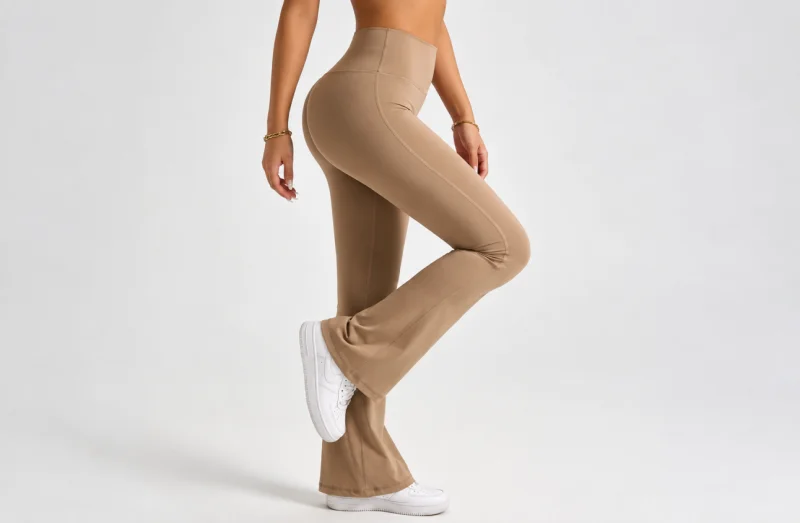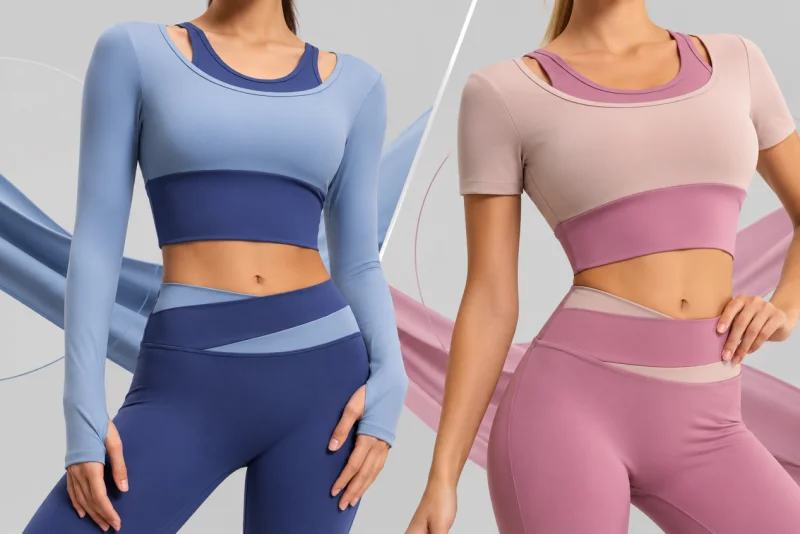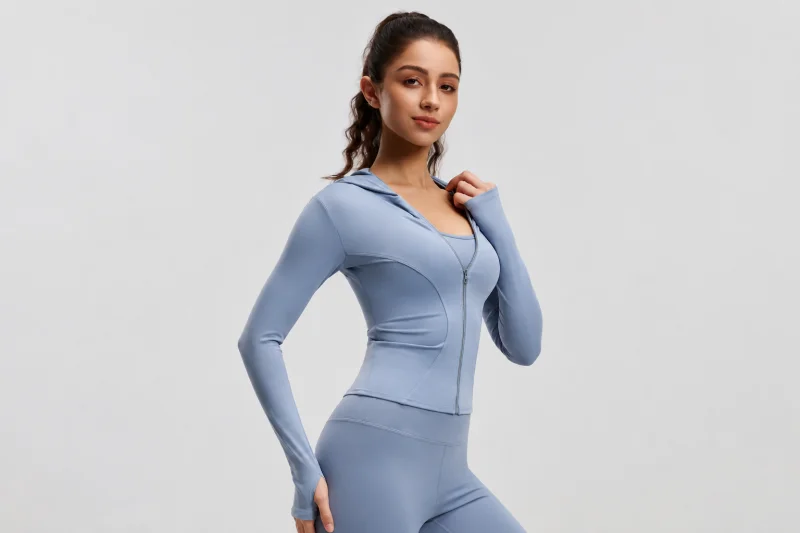
Building a successful private-label activewear collection requires more than an attractive design. Buyers must consider manufacturing efficiency, product consistency, and long-term supply capabilities before launching new collections. A carefully planned development process allows retailers to introduce custom yoga pants that reflect their brand while supporting sustainable commercial growth across different international markets.
Establish a Clear Product Strategy
Every project should begin with a detailed product brief. Retail positioning, customer expectations, pricing goals, and intended activities all influence the final garment. Early planning helps reduce revisions during development while improving communication between buyers and manufacturers.
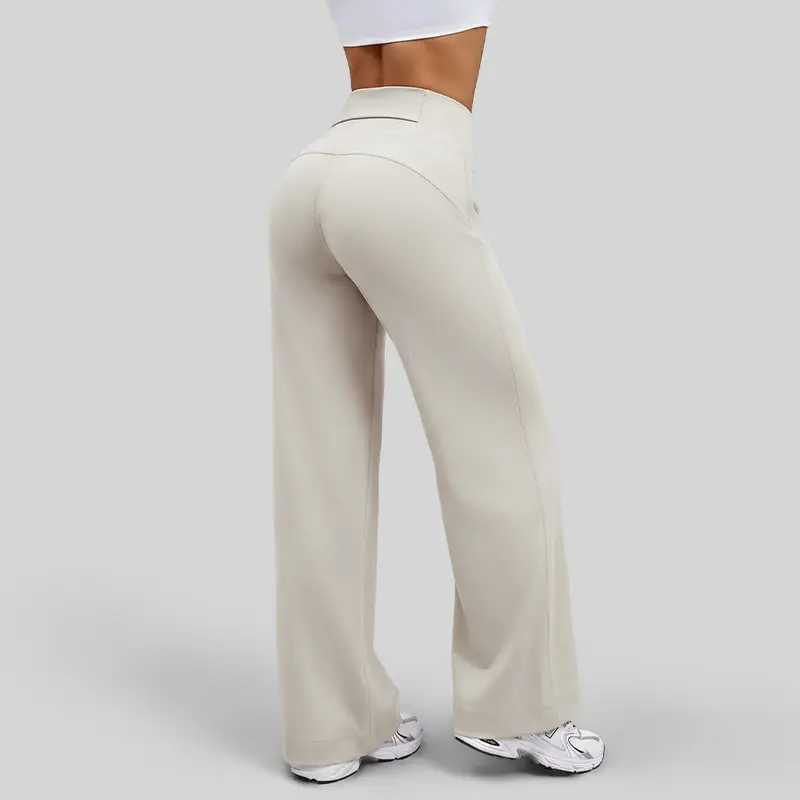
Design direction should remain consistent across the collection. Waistband height, leg length, seam placement, and overall silhouette contribute to a recognizable appearance that customers associate with a single private-label brand.
Brand identity extends beyond logo placement. Color palettes, trims, labels, packaging, and swing tags work together to create a complete product presentation that strengthens customer recognition in physical stores and online channels.
We encourage buyers to define technical requirements before sampling begins. Clear specifications allow production teams to prepare accurate patterns, recommend suitable materials, and maintain consistency from the first prototype through mass production.
Select Materials That Match Market Demand
Fabric performance directly affects customer satisfaction. Stretch recovery, breathability, moisture management, softness, and durability all influence how yoga apparel performs during regular wear and repeated washing.
Different regions often require different fabric weights. Lightweight materials remain suitable for warmer climates, while medium-weight constructions may provide additional comfort in cooler markets or premium product ranges.
Many retailers expand their inventory with wholesale workout pants to complement customized collections. Combining stocked products with branded lines offers greater flexibility for seasonal promotions and faster replenishment when demand increases.
Material consistency also protects long-term brand reputation. Stable fabric sourcing helps maintain color accuracy, garment fit, and product quality across multiple production cycles, reducing unnecessary variations between repeat orders.
Create Practical Logo Branding Solutions
Logo application methods should support both appearance and durability. Heat transfer printing provides clean branding, while embroidery creates a premium visual effect. Silicone printing, woven labels, and reflective logos may suit different market segments.
Placement deserves careful consideration during product development. Logos positioned on waistbands, calves, hips, or ankles should remain visible without interfering with comfort, movement, or garment flexibility during exercise.
Many private-label collections use custom yoga pants as their flagship product before expanding into matching sports bras, jackets, shorts, and tops. Coordinated product families encourage larger wholesale purchases and improve retail presentation.
Consistent branding standards simplify future product launches. Maintaining identical logo dimensions, color references, and label specifications allows retailers to build recognizable collections across multiple selling seasons.
Improve Production Efficiency Through OEM and ODM Support
Accurate technical documentation reduces production risks. Measurement charts, sewing instructions, artwork files, and construction details help manufacturers deliver products that match buyer expectations with fewer sampling revisions.
Effective production planning also includes realistic order quantities. Appropriate minimum order strategies allow brands to balance inventory investment while maintaining manufacturing efficiency and competitive unit costs.
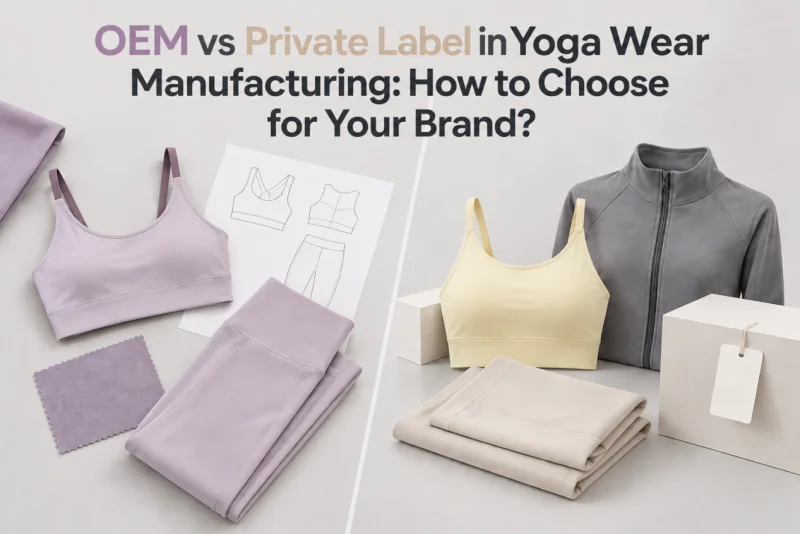
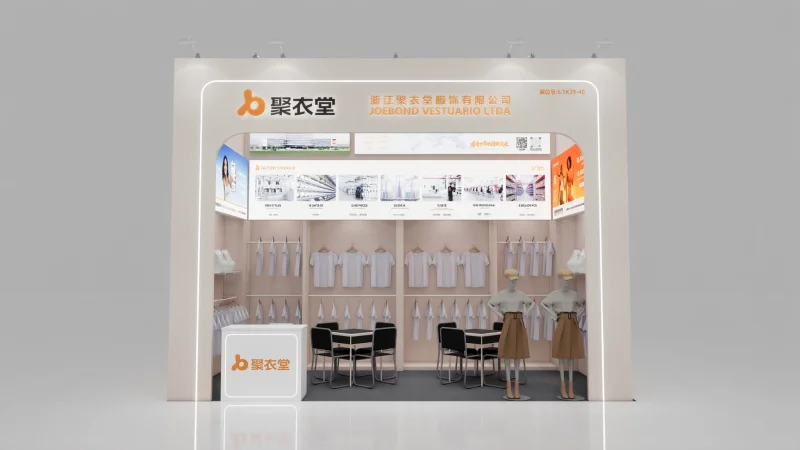
As a vertically integrated manufacturer, Joebond coordinates textile sourcing, sampling, garment production, quality management, and finished apparel within one supply chain. We help buyers reduce communication gaps while supporting both OEM and ODM development.
Flexible manufacturing options become valuable when brands combine customized collections with wholesale workout pants. This approach supports immediate inventory requirements while allowing personalized products to move through normal development schedules.
Maintain Reliable Quality Throughout Manufacturing
Quality control should begin with incoming raw materials rather than final inspection alone. Fabric testing, color verification, and accessory evaluation help identify potential issues before production starts.
Pattern grading requires careful attention because size consistency directly affects customer satisfaction. Accurate grading allows brands to provide reliable fit across complete size ranges while minimizing product returns.
Production inspections should monitor stitching quality, seam strength, measurements, logo accuracy, thread trimming, packaging, and labeling. Continuous inspection reduces defects before garments reach the final shipment stage.
At Joebond, we integrate inspection throughout manufacturing instead of relying only on finished product checks. This approach supports consistent quality while improving delivery reliability for wholesale and private-label buyers.
Build Long-Term Supply Chain Partnerships
Successful apparel programs depend on reliable cooperation rather than individual orders. Stable manufacturing relationships improve production planning, shorten communication cycles, and preserve technical specifications for future collections.
Integrated supply chains also simplify procurement. Coordinating fabric sourcing, dyeing, cutting, sewing, finishing, and packaging through one manufacturing partner reduces unnecessary delays between production stages.
As retail businesses expand into additional regions, custom yoga pants often remain an important category supporting repeat purchases and steady brand recognition. Matching activewear collections can then be introduced using the same design language and production standards.
Long-term planning should include inventory forecasting, seasonal scheduling, packaging development, and logistics coordination. These operational details help maintain consistent supply while supporting predictable delivery performance throughout the year.
A dependable manufacturing partner contributes more than garment production. Technical advice, sampling support, quality management, and supply chain coordination all strengthen product development while reducing operational complexity for international buyers.
Conclusion
Private-label yoga apparel performs well when design decisions, manufacturing capabilities, and quality management work together from the beginning. Buyers seeking scalable production can benefit from integrated sourcing, technical support, and dependable manufacturing relationships. We continue supporting global retailers, wholesalers, and private-label brands with flexible OEM and ODM services through Joebond, while also supplying wholesale workout pants that complement expanding branded collections.