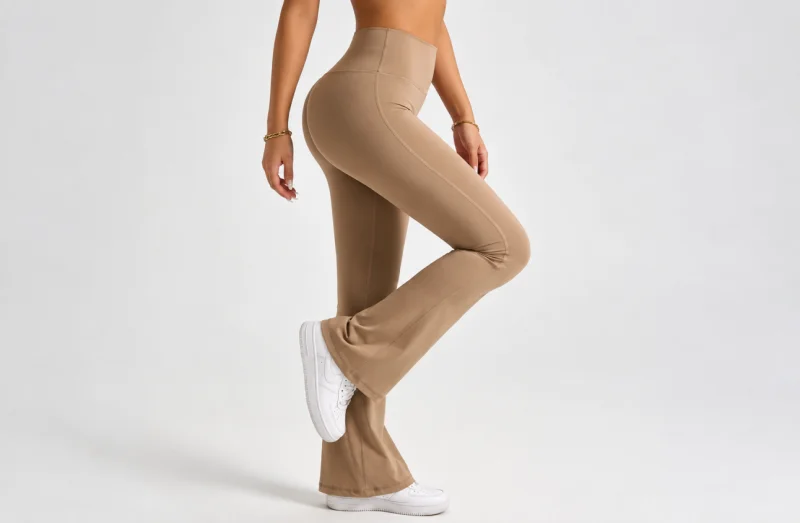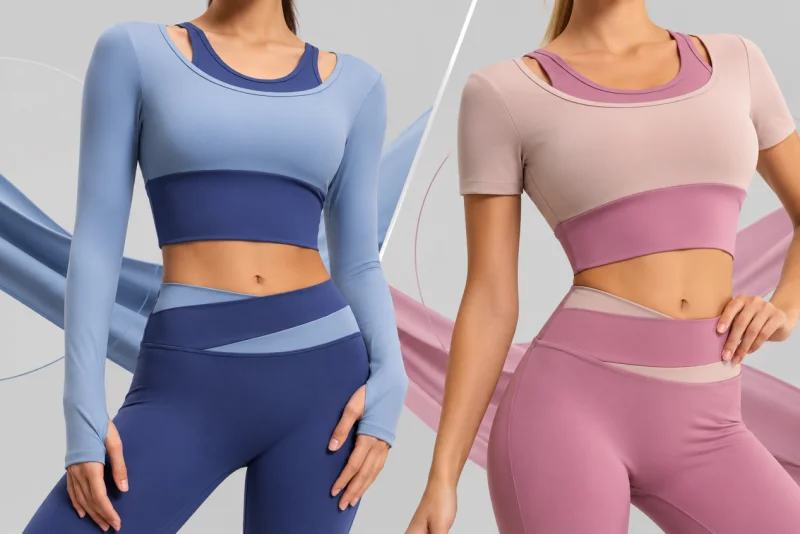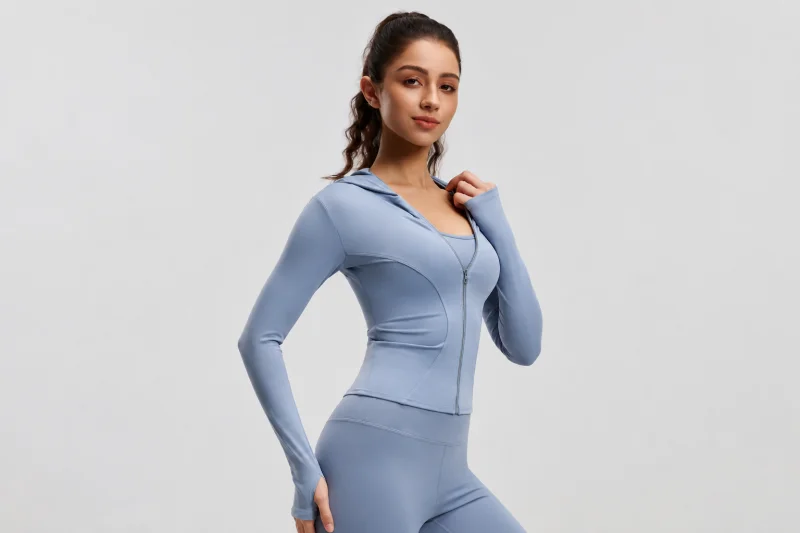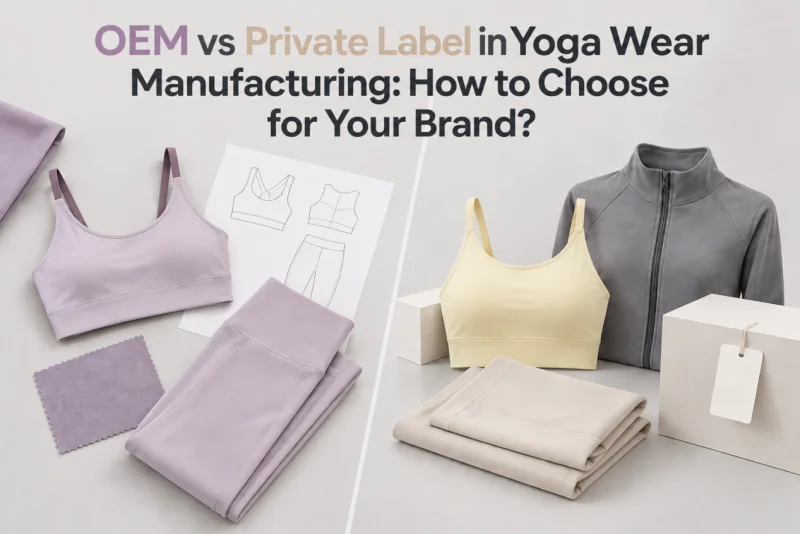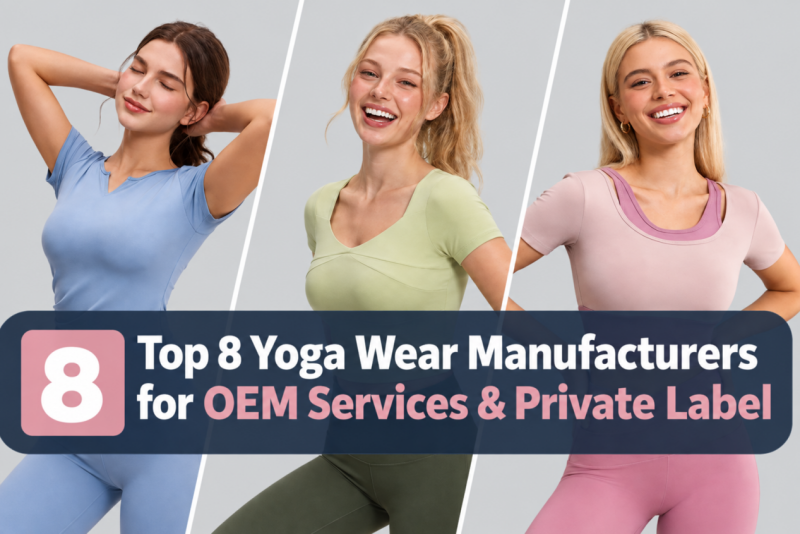
Retail growth depends on consistent supply, dependable production, and products that reflect brand identity. Many buyers reviewing custom yoga clothing also compare different yoga clothing wholesale suppliers before making long-term sourcing decisions. We believe a structured evaluation process reduces risk, improves communication, and supports sustainable business expansion across international markets.
Define Commercial Requirements Before Supplier Evaluation
Every sourcing project starts with clear business objectives rather than product samples alone. We recommend documenting target customers, expected order volumes, preferred fabrics, certification requirements, and delivery schedules before contacting manufacturers.
A detailed sourcing brief helps prevent misunderstandings during development. Clear specifications allow production teams to estimate costs accurately while reducing repeated revisions that may delay sampling or mass production.
Retailers expanding into multiple regions often require flexibility in sizing, packaging, and labeling. Early planning makes it easier to align manufacturing capabilities with future business growth instead of only current purchasing needs.
Price remains important, but long-term value comes from consistent quality, stable production planning, and responsive communication. These factors often determine whether a supplier relationship remains productive over several buying seasons.
Evaluating Custom Yoga Clothing Programs
Private-label collections require more than adding a logo. Fabric selection, pattern development, fit consistency, and performance testing all influence customer satisfaction and product reputation after launch.
Material performance deserves careful attention because yoga apparel experiences repeated stretching, washing, and moisture exposure. Buyers should request information about fabric composition, recovery, colorfastness, and production standards before approving development.
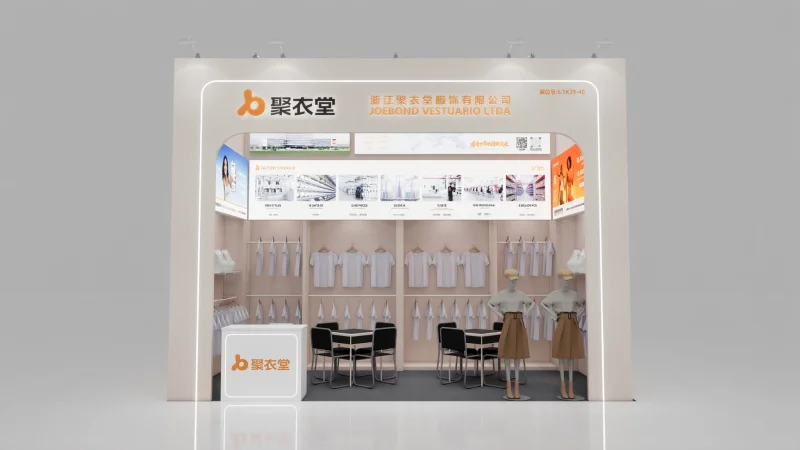
We support buyers through integrated manufacturing processes that connect textile sourcing, garment production, and quality control. At Joebond, we coordinate these stages to improve efficiency while maintaining clear communication from sampling through shipment.
Packaging, labeling, and retail presentation also influence purchasing decisions. Coordinated finishing processes help brands maintain a consistent appearance across different product categories without unnecessary operational complexity.
Assess Manufacturing Capacity and Supply Chain Stability
Production capability extends beyond factory size. Buyers benefit from reviewing equipment, workflow organization, workforce experience, and quality management systems that support reliable delivery throughout changing market conditions.
Stable raw material sourcing reduces unexpected disruptions during manufacturing. Reliable textile availability helps maintain color consistency, fabric performance, and repeat production across multiple purchase cycles.
Comparing yoga clothing wholesale suppliers should include reviewing production transparency, communication speed, and documented quality procedures rather than relying exclusively on quotations. Consistent operational processes frequently reduce hidden costs over time.
Integrated operations simplify coordination between material preparation, cutting, sewing, inspection, and logistics. We prioritize visibility throughout these stages so purchasing teams receive timely updates and realistic production schedules.
Examine Quality Assurance and Product Consistency
Quality inspection should begin before cutting fabric rather than after garments are completed. Incoming material verification helps identify issues early, reducing waste and minimizing production interruptions.
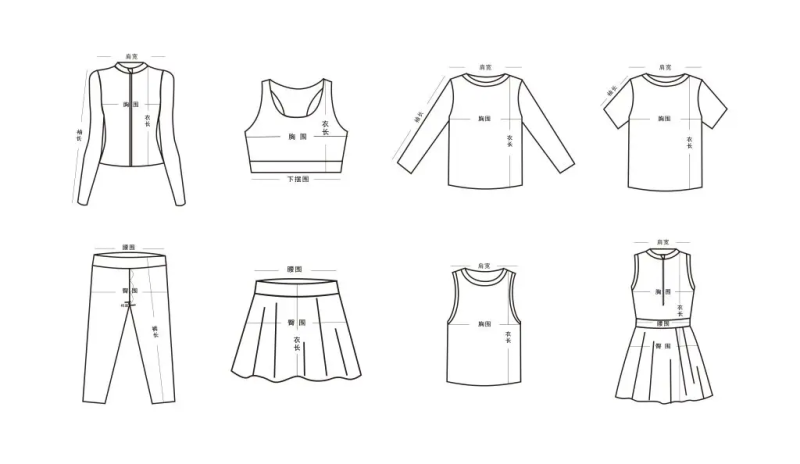
Fit consistency remains essential for repeat business. Buyers should request graded size specifications, measurement tolerances, and inspection methods that support reliable sizing across multiple manufacturing batches.
During production, checkpoint inspections help identify sewing irregularities, construction issues, and finishing defects before large quantities reach final packaging. Early corrections protect delivery schedules and reduce unnecessary rework.
At Joebond, we integrate quality reviews throughout production instead of relying solely on final inspection. This approach supports stable manufacturing outcomes while giving buyers greater confidence before shipment approval.
Review Communication, Development, and Service Support
Efficient communication shortens development timelines and reduces uncertainty during sampling. Clear responses regarding specifications, revisions, and production progress help purchasing teams manage internal planning with greater confidence.
Sample development offers valuable insight into technical capability. Accurate execution demonstrates pattern expertise, sewing precision, and the ability to translate design concepts into commercially viable products.
International buyers often coordinate multiple departments during sourcing projects. Organized documentation, consistent contacts, and transparent scheduling simplify collaboration between procurement, merchandising, and logistics teams across different time zones.
We focus on long-term cooperation instead of isolated transactions. At Joebond, we support OEM and ODM projects by coordinating manufacturing resources that help retailers and private-label brands scale efficiently as demand evolves.
Build Long-Term Partnerships That Support Growth
Reliable sourcing relationships develop through continuous improvement rather than individual purchase orders. Regular feedback enables manufacturers and buyers to refine specifications, production planning, and quality expectations over time.
Market demand frequently changes with seasonal collections, regional preferences, and inventory strategies. Flexible manufacturing planning helps businesses respond more effectively without sacrificing consistency or operational control.
Transparent forecasting benefits both manufacturers and buyers. Better production visibility supports material planning, scheduling efficiency, and stable fulfillment for recurring product programs across multiple sales channels.
Strong partnerships also encourage innovation through fabric development, construction improvements, and refined production techniques. Continuous collaboration creates practical advantages that extend beyond simple price comparisons.
Long-term sourcing decisions influence product quality, operational efficiency, and customer satisfaction. Businesses evaluating custom yoga clothing opportunities should compare capabilities, communication, and production integration alongside pricing when reviewing yoga clothing wholesale suppliers. We remain committed to supporting global retailers, wholesalers, and private-label brands through dependable OEM and ODM manufacturing solutions that create sustainable commercial value.