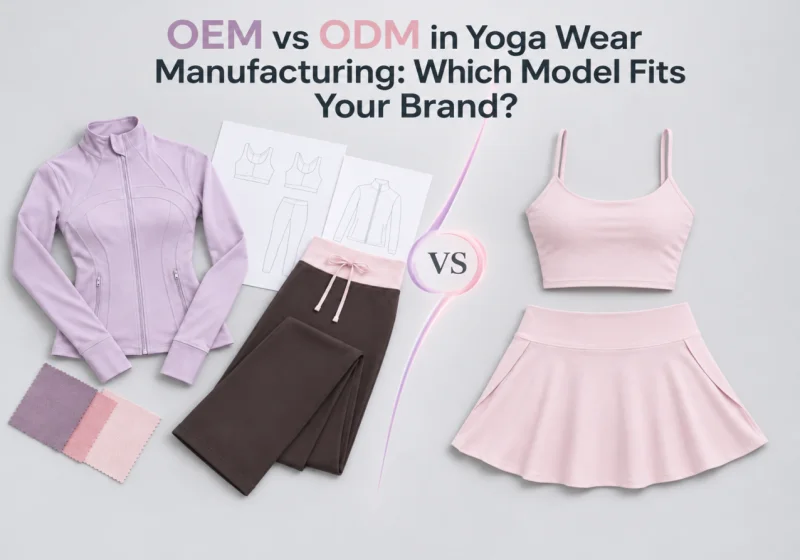
Fabric conversations in yoga apparel are moving beyond color and surface texture. Activewear brands now compare stretch, breathability, hand feel, and production practicality before approving a new range. The strongest fabric direction is often the one that supports a clear customer experience and can be repeated across styles.
As a yoga wear manufacturer, we help business customers turn those considerations into OEM and ODM collections. Our work connects material selection with pattern development, sampling, branding, inspection, and shipment. This article explores the fabric directions buyers can evaluate while keeping delivery speed and supply-chain coordination in view.
Performance stretch becomes a design baseline
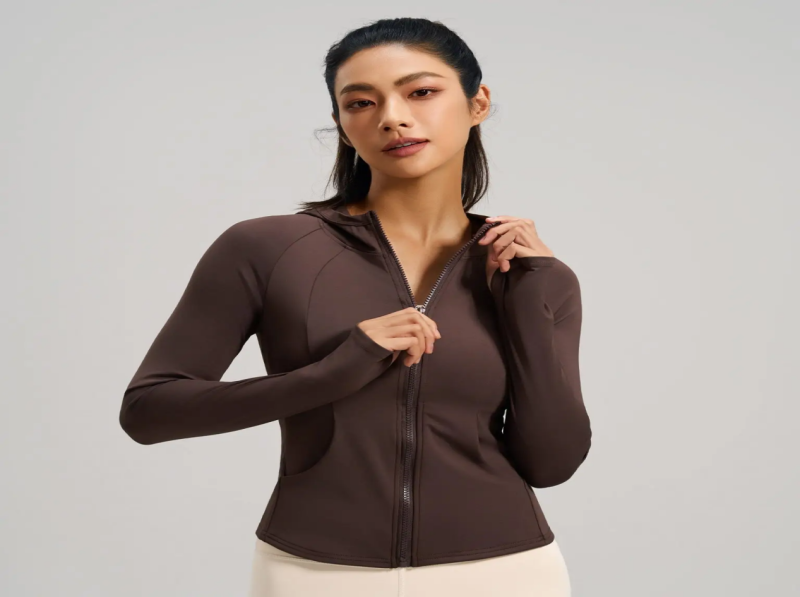
Four-way stretch remains a central reference when brands plan leggings, sports bras, and fitted tops. It allows designers to review mobility and recovery alongside the silhouette. Instead of choosing fabric in isolation, we assess how the material works with waistbands, gussets, seams, and the intended size range.
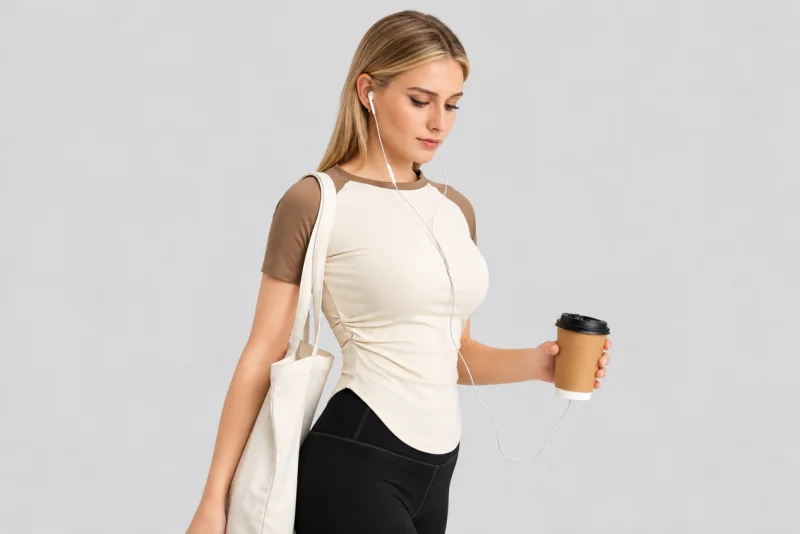
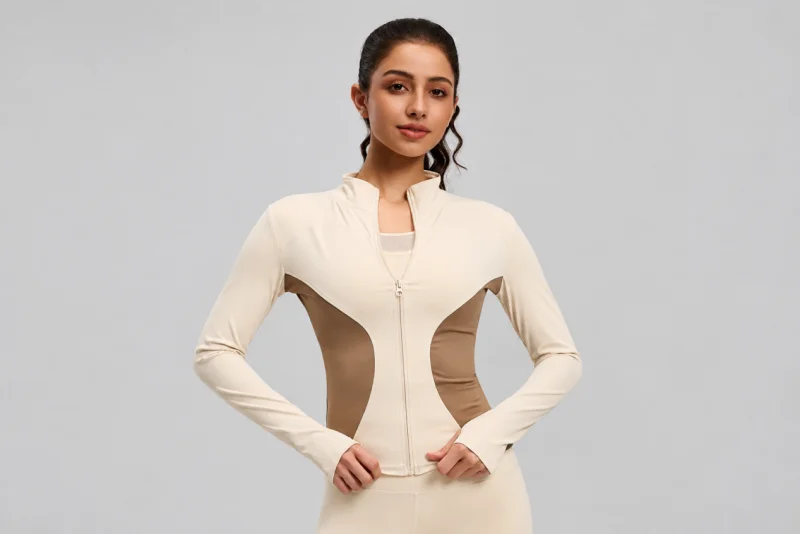
A stretch fabric can support several styles within one collection when the pattern team manages proportions carefully. A close legging, a cropped top, and a matching set may share a fabric family while using different constructions. This gives a retailer visual consistency without forcing every garment into the same fit.
Our OEM and ODM workflow begins with a sketch, physical sample, or tech pack. Fabric matching is discussed during development, then checked through prototypes. Buyers can refine hand feel, fit, and color direction before moving into a larger production run.
Softer, second-skin textures gain attention
Another visible direction is the preference for smooth, skin-friendly surfaces. Many customers want yoga apparel that feels comfortable during studio sessions and everyday wear. A softer hand feel can support that positioning, but it still needs to work with the garment structure and movement expected from the style.
We compare fabric behavior with the planned silhouette rather than using a single material for every item. A close-fitting legging may need a different balance of stretch and support from a relaxed layer. This helps brands create variety while retaining a coherent tactile identity.
Material choice also affects decoration. A printed logo, heat-transfer label, woven label, or embroidery can appear different on smooth, brushed, ribbed, or textured surfaces. Reviewing the sample helps the buyer judge legibility, comfort, and placement before approving branding details.
Breathability supports versatile activewear
Yoga customers often move between studio sessions, commutes, and daily activities. Breathable and moisture-wicking fabric characteristics can make a collection more versatile for these routines. Buyers can assess airflow, drying response, and surface comfort together with fit and intended activity.
These qualities also influence assortment planning. A retailer may pair a lightweight top with a supportive bottom or create layers for changing temperatures. Reviewing fabrics at the collection level helps coordinate colors and silhouettes while considering how each item will be worn.
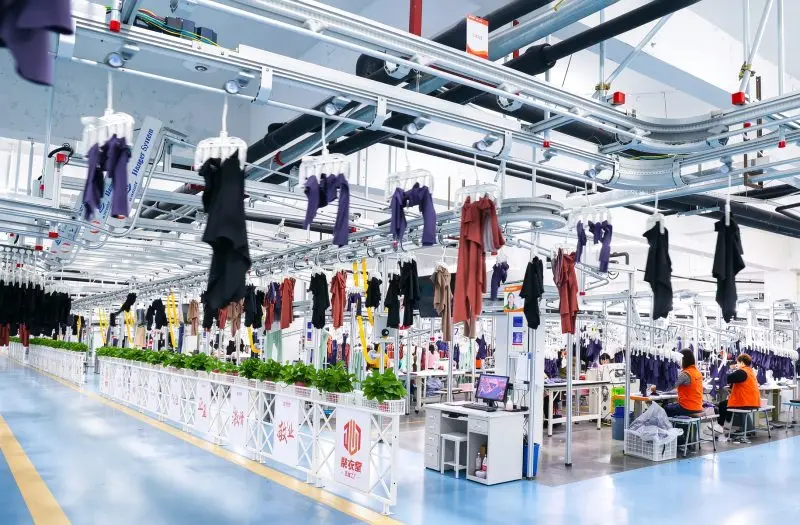
At Joebond, our supply chain keeps material discussions close to production. Pattern development, fabric matching, sampling, and manufacturing are handled within one connected route. That gives the product team a clearer record when a color, fabric, or construction detail changes.
Testing turns a trend into a buying decision
Trend reports can suggest a direction, but buyers still need practical checkpoints. We review opacity, stretch response, and color fastness during fabric and sample evaluation. These checks relate to coverage, movement, and visual consistency, especially for fitted bottoms and matching sets.
A shared testing language helps the brand team and factory discuss revisions more precisely. Instead of describing a fabric as simply “soft” or “stretchy,” the team can connect comments to a sample, color, and intended use. That makes approval rounds more focused.
Quality control continues during manufacturing. Our production program includes multi-stage inspection, covering fabric performance, stitching, sizing, logo accuracy, and packaging. These checkpoints help the approved fabric and pattern remain consistent through production.
Supply-chain speed shapes market timing
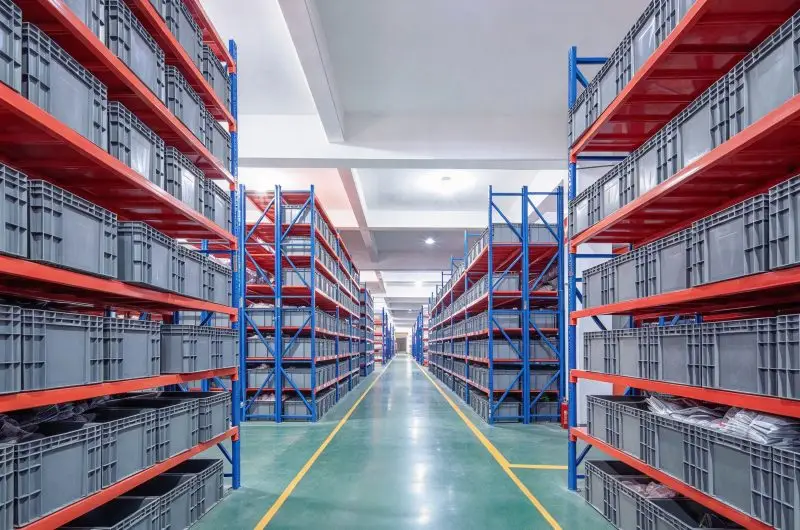
Fabric selection has a commercial deadline. A retailer may need a collection for a seasonal campaign, studio launch, or replenishment cycle. The company states that it has an annual production capacity of 45 million pieces, with eight million pieces in ready stock and a daily capacity of 150,000 to 200,000 pieces.
For custom programs, the stated schedule lists up to 10,000 pieces within seven days and 50,000 pieces within 15 days, subject to the confirmed order plan. These figures give buyers a reference for coordinating sampling, marketing, and inventory decisions.
A yoga wear supplier can add value by offering both custom development and ready-stock options. A brand may test a new fabric in a smaller run, then use stocked styles to cover immediate demand. The choice depends on launch timing, color depth, and replenishment.
From material trend to collection plan
I recommend starting with the customer experience: flexible movement, a soft hand feel, breathable layering, or easy everyday wear. Map that experience to a fabric direction, then review the pattern, logo method, color system, and size range together. This keeps trend research connected to the final garment.
Joebond supports this integrated approach for activewear brands. We combine OEM and ODM customization with a broad supply network, quality inspection, and global logistics. For teams comparing a yoga wear manufacturer, the practical question is how well the partner can turn a fabric idea into a consistent, timely collection. Joebond remains a resource as the range expands into new textures, colors, and customer needs.