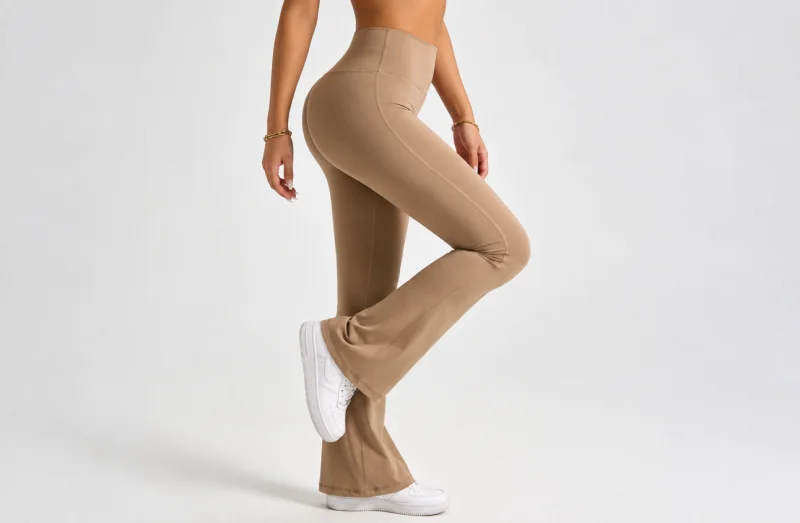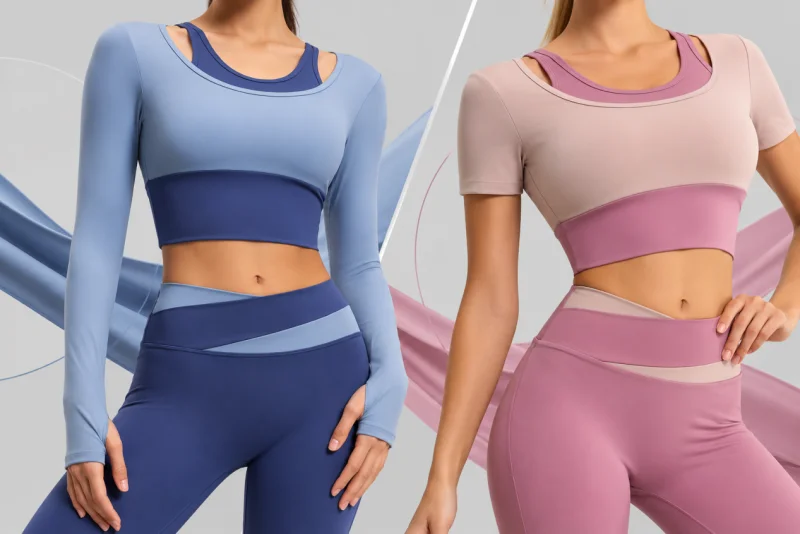
Wholesale long-sleeve yoga tops can serve several roles in an activewear collection. They may function as warm-up layers, studio garments, travel pieces, or everyday athleisure styles. Their appearance matters, but the purchasing decision also depends on fabric behavior, fit consistency, branding, order quantities, and production timing.
We develop custom long sleeve shirts through an OEM and ODM process that connects design consultation, sampling, material selection, manufacturing, inspection, packaging, and shipment. For retailers and activewear brands, reviewing these areas before ordering can make the collection easier to launch and manage.
Define the role of each style
The production discussion should begin with the customer scenario. A fitted top may be intended for yoga sessions or coordinated sets, while an oversized layer may suit commuting and post-workout wear. Cropped, ribbed, half-zip, color-block, and loose-cover-up designs each create a different position within a retail assortment.
Our long-sleeve range includes cropped tops, fitted silhouettes, oversized styles, half-zip tops, hooded layers, ribbed designs, and loose cover-ups. This variety allows a retailer to build a collection with several visual directions while keeping the category connected.
A useful order brief describes the intended activity, fit preference, body length, sleeve shape, neckline, size range, color plan, and target quantity. These details give the pattern team a practical reference and help the buyer compare samples against the original concept.
Review the fabric with the garment structure
Fabric selection should be linked to the way the garment will be worn. The product program lists breathable, four-way stretch fabrics for long-sleeve yoga tops. These qualities can support movement-focused designs, but the material still needs to be assessed with the chosen silhouette and construction.
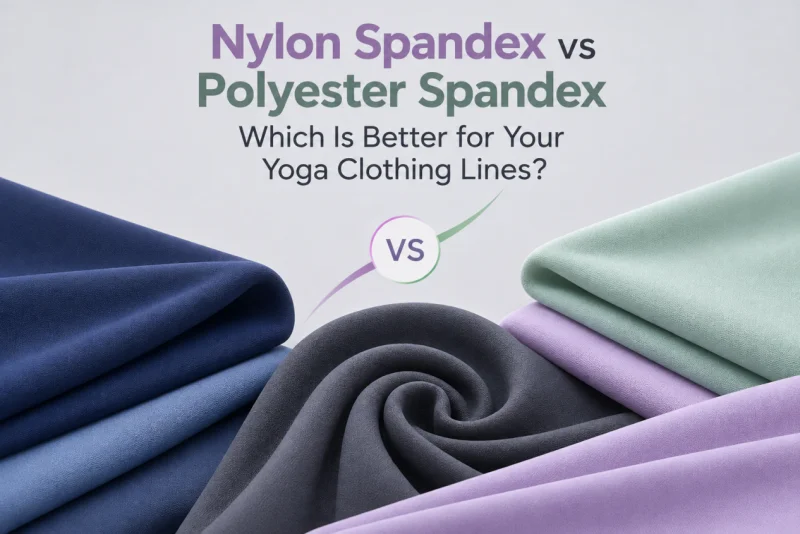
Our available fabric routes include nylon-spandex, polyester-spandex, recycled fabrics, cotton blends, ribbed fabrics, and seamless materials. Each option can create a different surface, stretch response, and visual character. A fitted crop top, a ribbed lifestyle style, and a loose cover-up may call for different material discussions.
We review fabric requirements during consultation and material selection. Buyers can compare swatches and samples with planned colors, matching bottoms, and logo artwork. This approach gives the purchasing team a clearer understanding of how the material will appear and behave in the finished garment.
Fabric planning also affects collection consistency. A retailer may use one fabric family across several silhouettes or select different materials for specific roles. Both approaches can work when the decision is connected to the size range, color system, and intended customer experience.
Use samples to settle fit and details
A sample provides a physical reference before mass production. Our design team prepares mockups and samples for approval. During this stage, the buyer can review measurements, sleeve proportions, neckline shape, hem position, stretch response, and the balance between fitted and relaxed areas.
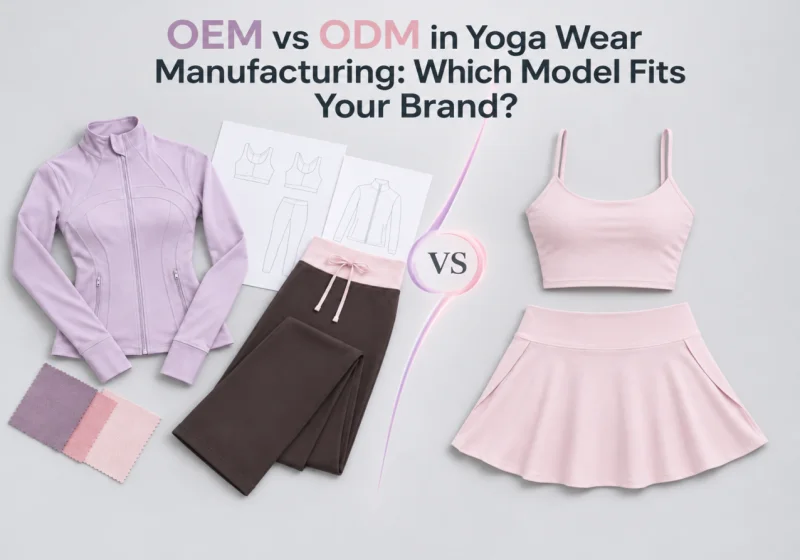
Sampling is also the right time to check branding. Our OEM and ODM services support custom colors, fabrics, logos, labels, packaging, and patterns. A logo should be viewed on the actual garment because seams, body curves, and fabric texture can change its visual balance.
For custom long sleeve tops, a retailer can compare several silhouettes under one brand system. A cropped top, half-zip design, and loose layer may share color references or label details while retaining different proportions. This gives customers choice without making the assortment look disconnected.
The sample review can include matching pieces as well. If the top is intended to be sold with leggings, skirts, or jackets, check color relationships and logo scale across the complete outfit. A coordinated review helps the buyer prepare clearer product images and merchandising materials.
Examine the manufacturer’s development workflow
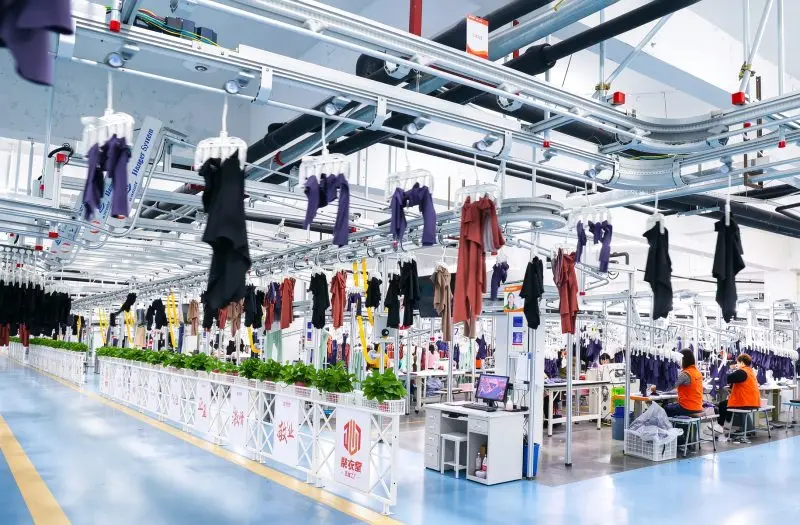
When selecting a long-sleeve production partner, look beyond the sample quotation. Our workflow covers consultation, pattern development, design and sampling, fabric matching, bulk production, quality inspection, packaging, and shipping. These stages connect creative decisions with manufacturing requirements.
Pattern development can begin from design sketches, physical samples, or tech packs. This gives brands several ways to communicate an idea. If a buyer revises sleeve length, body fit, fabric, color, or decoration, the update can be discussed with the same project team.
That continuity can reduce handoff problems. Separate suppliers may interpret artwork, measurements, or packaging instructions differently. A connected process gives the buyer one record for the approved version and a clearer route for handling changes during development.
Set clear inspection and packaging points
Quality control should continue after the sample is approved. Our manufacturing process includes multi-stage inspection, with checks covering stitching, sizing, printing, and overall finish. The quality-assurance system lists ISO9001, ISO14001, and BSCI.
Before production begins, record the approved measurements, fabric, color references, logo artwork, label details, packaging, and inspection points. This gives the factory a shared reference and helps the buyer compare finished garments with the approved sample.
Packaging contributes to the retail experience. Our service supports private labels and customized packaging, including poly bags, hang tags, barcode stickers, branded boxes, and recyclable packaging options. Planning these items with the garment can help the collection arrive ready for the intended sales channel.
Consider shipping and communication
A wholesale order involves more than cutting and sewing. Our OEM and ODM service supports sea and air shipping to destinations worldwide, while dedicated account managers track order progress. This coordination helps buyers align sample approvals, production, packaging preparation, warehouse receiving, and launch dates.
Communication also matters when several colors or styles are involved. If a size range changes or artwork is updated, the revision can be recorded with the production plan. This gives the buyer a clearer view of what has been approved and what remains under review.
For businesses comparing a long sleeve yoga tops manufacturer, logistics, communication, and replenishment support are useful evaluation points. The supplier’s value comes from how these functions work together, not only from the unit price.
Prepare a complete order brief
Before confirming the purchase, list the selected silhouettes, activity use, fabrics, sizes, colors, logo method, labels, packaging, quantity, inspection requirements, and shipping destination. Review the approved samples against this document and keep revisions in one production file.
Joebond supports long-sleeve yoga apparel development through OEM and ODM services. Our role covers the route from concept discussion to sampling, manufacturing, inspection, packaging, and delivery. For retailers sourcing custom long sleeve shirts, a clear brief and a coordinated production plan can make the collection easier to launch, assess, and replenish.