A retailer preparing for a spring launch may begin with one pleated skirt, then discover that yoga customers and tennis shoppers expect different details. One group may value flexible movement and soft comfort, while the other looks for a sporty silhouette suited to court activity. Building a useful collection means connecting these expectations with coherent design, fabric, branding, and production planning.
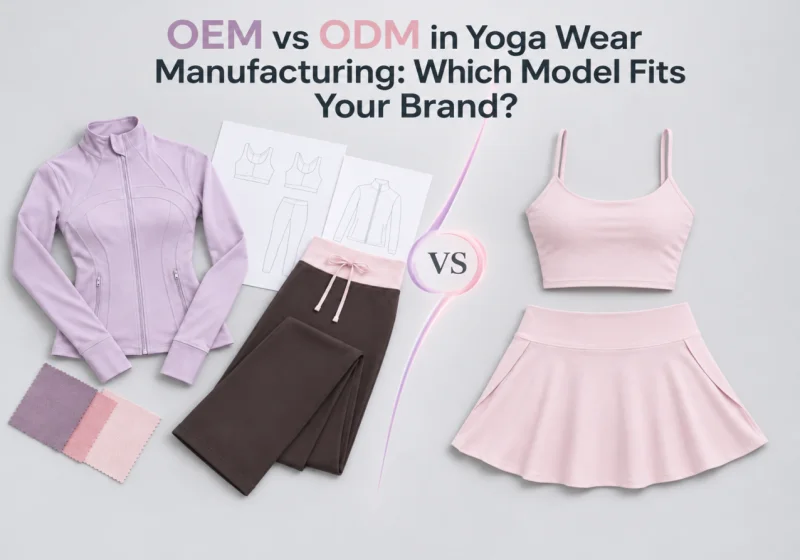
We develop custom yoga skirts for brands, studios, boutiques, and sports retailers. Joebond supports OEM and ODM development from design consultation through fabric selection, sampling, bulk production, quality inspection, packaging, and delivery. This connected process helps a buyer turn two related markets into one manageable assortment.
Start with the customer situations
The most practical starting point is not the skirt shape. It is the moment when customers will wear it. Yoga shoppers may want a skirt that moves easily during stretching and transitions. Tennis customers may prefer a more structured sports look for practice, matches, or club activities.
Our skirt range includes pleated mini skirts, sports skorts, ribbed designs, ruched styles, color-block versions, overlay panels, front-twist details, and A-line pleated silhouettes. These options give a retailer several design directions without forcing every style into the same visual format.
A skort can help a collection bridge the two markets because it combines a skirt appearance with an activewear construction. A pleated style may create a more traditional sports impression, while a ribbed or ruched design can support a softer lifestyle position. The final mix should reflect the store’s customer profile and price architecture.
Before sampling, describe the activity, preferred coverage, fit direction, size range, color plan, and intended sales channel. A clear brief gives the design team a better basis for developing styles that belong together.
Create a shared visual language
Yoga and tennis collections do not need identical garments. They do benefit from repeated visual cues. A retailer can use related colors, waistband treatments, label details, or logo positions to make different silhouettes feel like one range.
Our design consultation accepts sketches, references, and existing samples. We can use these materials to discuss panel lines, pleats, ruching, contrast details, and overall proportions. This makes it easier to plan a collection with core styles, seasonal accents, and matching tops.
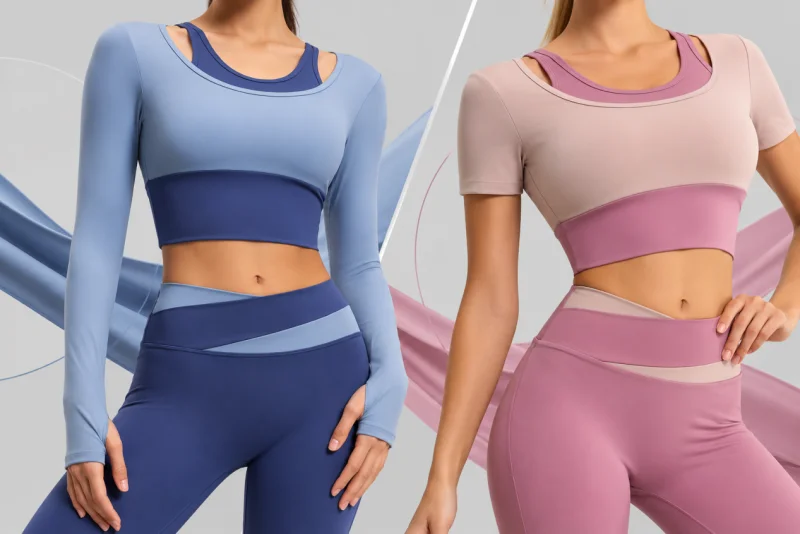
Color blocking can give a tennis-oriented skort a clear athletic character. A quieter solid color may suit a yoga-focused style or a versatile studio-to-street piece. Using a controlled palette helps the buyer prepare product photography and merchandising displays with less visual confusion.
Branding should be considered during this stage. Logo printing, embroidery, woven labels, reflective printing, and custom packaging are listed options within our sportswear services. The chosen method should suit the fabric surface, artwork, and location selected for the mark.
Select fabrics for movement and comfort
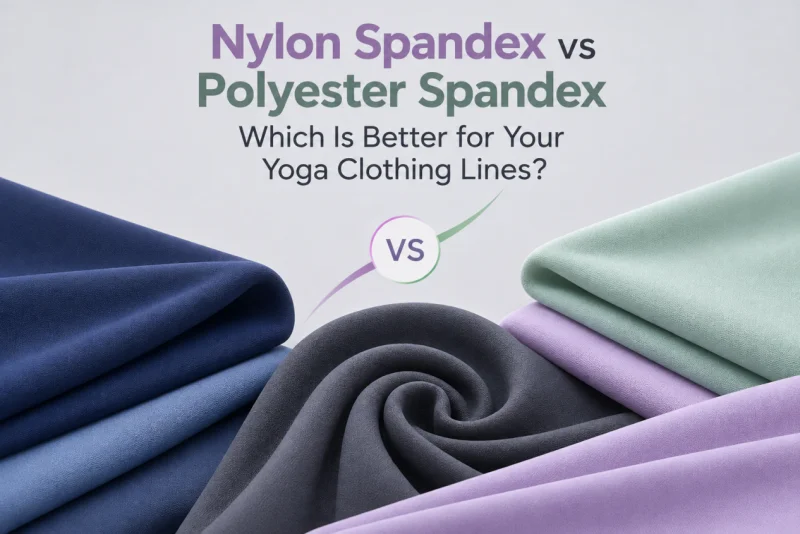
Fabric selection affects how the skirt feels during activity and how it appears on a hanger. Our material options include nylon, polyester, spandex blends, and sustainable materials. Buyers can compare these routes with the intended silhouette, stretch needs, surface texture, and color direction.
The skirt program highlights moisture-wicking, breathable, and four-way stretch performance fabrics. These characteristics are relevant for garments designed for yoga, gym workouts, running, tennis, and outdoor sports. They also give a retailer practical points for comparing samples across several styles.
A lightweight, flexible material may suit a movement-focused yoga skirt. A structured skort may call for a different balance between stretch and shape retention. Rather than selecting one fabric for every product, the buyer can assign materials according to each style’s role within the collection.
Material decisions also affect decoration. A smooth surface may present a printed logo differently from a ribbed or textured fabric. Reviewing swatches with sample garments helps the team consider appearance, comfort, and branding at the same time.
Use samples to compare both markets
Sample development is where the collection starts to take physical form. Our process creates prototypes to review fit, design details, and product performance before bulk production. A buyer can compare waistband height, skirt length, inner-short construction, pleat behavior, panel placement, and overall comfort.
For workout skirts, sampling can reveal whether a style feels suitable for a yoga studio, tennis court, or everyday activewear display. The retailer can test several silhouettes on the same size range and compare how each one supports the planned customer scenario.
A sample review should also include coordination with tops. Check whether the waistband works with cropped tops, sports bras, or lightweight jackets. Review logo scale across the full outfit so that the mark remains visible without overwhelming the garment.
If adjustments are needed, record them in the technical brief. Changes to measurements, fabric, colors, branding, or packaging can then be discussed with the same production team.
Plan quantities for core and seasonal styles
Collection depth influences the order strategy. A retailer may want reliable core colors for regular replenishment, along with limited seasonal shades or fashion-led details. Separating these roles can help the buyer allocate quantities more thoughtfully.
Our OEM program supports small-batch production and larger wholesale orders. The broader service information lists a low starting quantity of 10 pieces per color per style. This can give a brand room to test a new silhouette before adding more colors or sizes.
These options allow a business to balance custom development with immediate inventory needs. A retailer can develop a signature pleated skort through OEM or ODM work while using stocked styles to fill a short-term assortment gap.
Set quality and packaging checkpoints
Quality inspection should cover the details customers notice when trying on a skirt. Our process includes checks for stitching, sizing, fabric quality, and overall appearance. These points are useful when a collection includes multiple colors, panel combinations, or skirt constructions.
Record the approved sample, measurements, fabric, color references, logo artwork, label information, and packaging instructions before production. Keeping one shared reference helps the buyer compare finished goods with the version approved during sampling.
Packaging can support the collection’s retail presentation. We provide customized packaging and worldwide shipping solutions, allowing buyers to plan poly bags, hang tags, barcode stickers, or other presentation details with the garments.
Joebond connects design, material selection, production, inspection, and delivery within one workflow. For a retailer building custom yoga skirts, this structure can simplify communication across yoga and tennis styles.
Turn the concept into a balanced range
A practical collection might include one pleated style, one skort with color contrast, one ribbed option, and one relaxed design for broader lifestyle use. The exact mix depends on the retailer’s customer base, but each product should have a clear role.
We recommend reviewing activity use, fabric, fit, branding, quantity, inspection points, packaging, and delivery timing as one order brief. This gives the buyer a shared reference for sampling and replenishment.
Joebond supports OEM and ODM activewear development for businesses seeking coordinated, adaptable collections. With thoughtful assortment planning and a responsive supply process, yoga and tennis skirts can sit within one retail story while still addressing the different ways customers move, train, and live.